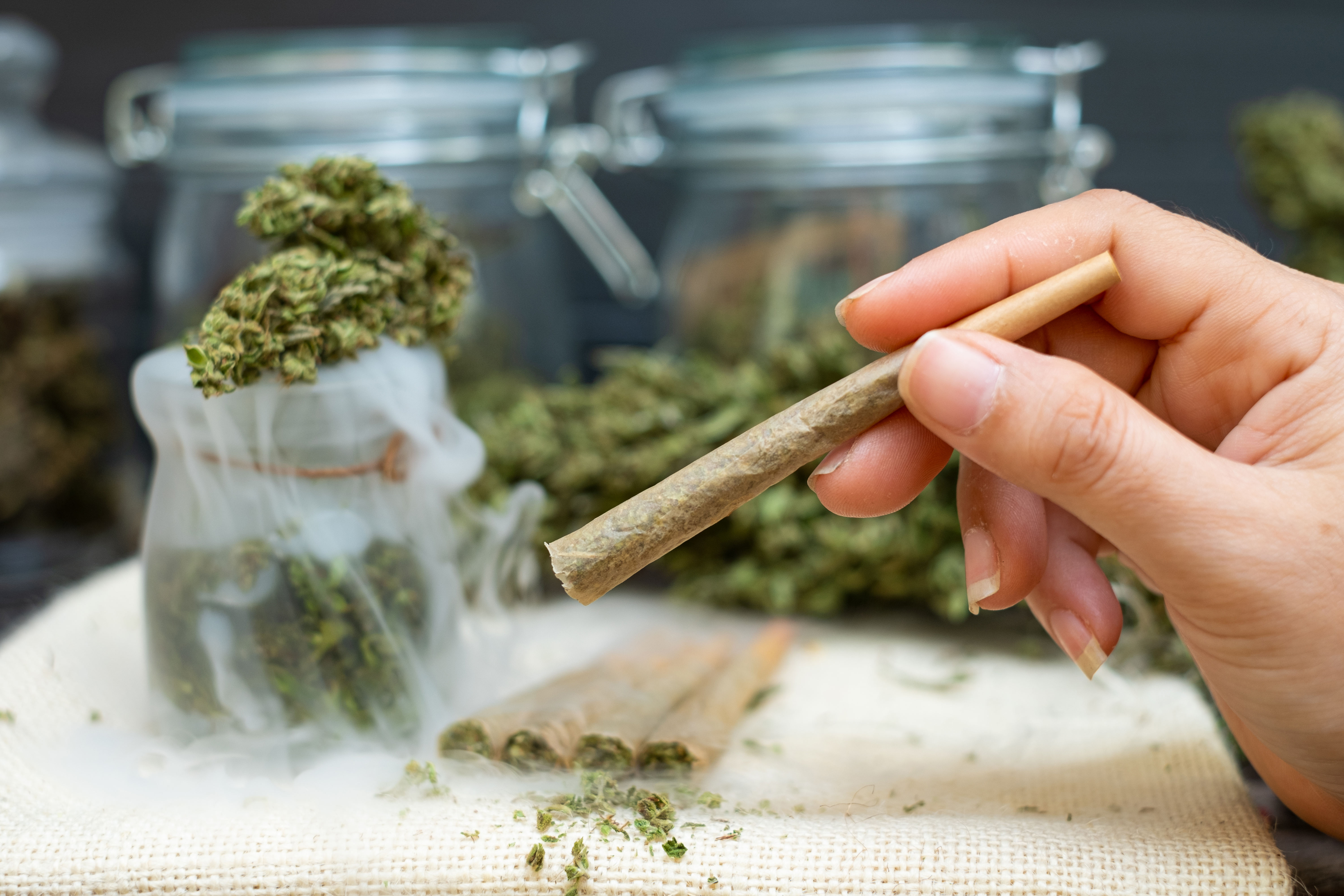


Many adults ask, “When is the best time to smoke weed?” Some people may think morning is best because they have fewer plans. Others may prefer the evening because their work and daily duties are finished. However, there is no single time that is right for every person. The best time may depend on why a person uses cannabis, how their body reacts to it, what type of product they use, and what they need to do that day.
Cannabis can affect each person in a different way. One person may feel calm or sleepy after smoking a small amount. Another person may feel alert, anxious, dizzy, or confused. These effects may also change from one day to another. A person’s mood, food intake, sleep, health, and use of other substances may affect the experience. Because of these differences, it is important to think about more than just the time shown on a clock.
A person should first consider their daily schedule. Cannabis that contains THC may affect attention, memory, balance, reaction time, and judgment. These effects can make many normal tasks harder or less safe. For example, smoking weed before driving may reduce a person’s ability to notice danger and react quickly. Using it before work or school may make it harder to follow instructions, remember details, solve problems, or communicate clearly.
Timing is also important for people who care for children, older adults, pets, or people with medical needs. These duties may require quick decisions and a clear mind. An emergency can happen without warning. A person who is impaired may not be able to respond in a safe or useful way. For this reason, cannabis use should not be planned during a time when someone is responsible for another person’s safety.
The reason for using cannabis may also affect when a person considers smoking it. Some adults use cannabis for recreation. Others use it to relax after a stressful day. Some may use a cannabis product under the care of a medical professional. People may also consider cannabis because they have trouble sleeping, low appetite, pain, or another health concern. However, cannabis does not affect every condition in the same way. It may also cause unwanted effects or interact with medicines. A person using cannabis for a health reason should follow advice from a qualified healthcare professional.
The strength of the cannabis product is another key factor. Products with more THC may produce stronger effects and may cause impairment for a longer period. A person with little or no tolerance may feel strong effects from an amount that seems small to a frequent user. However, frequent users may still be impaired even when they do not feel very high. Tolerance can make it harder for a person to judge how much cannabis is affecting their thinking and reactions.
Smoking cannabis usually causes effects within a few minutes. This quick start may make it easier to notice the effects sooner than with edible cannabis. However, this does not mean the effects will end quickly. A person may feel different for several hours. Some effects, such as tiredness, poor focus, headache, or slower thinking, may continue after the main high has faded. Late-night smoking may also affect how a person feels the next morning.
The setting matters as much as the time. A calm, familiar, and legal place may reduce some risks. A crowded party, public space, moving vehicle, or unfamiliar area may make an unpleasant reaction harder to manage. People should also avoid mixing cannabis with alcohol or other drugs. Combining substances may increase dizziness, poor judgment, nausea, confusion, and other harmful effects.
Local laws must also be considered. Cannabis laws differ by country, state, province, city, and workplace. A product may be legal in one area but illegal in another. Even where adult cannabis use is allowed, smoking may be banned in public places, rental homes, vehicles, workplaces, and other locations. Legal cannabis use does not remove the risk of impaired driving or unsafe behavior.
There are also times when cannabis use may not be suitable at all. Pregnant or breastfeeding people are advised to avoid cannabis because THC may reach the baby. People with certain heart, lung, or mental health conditions may face added risks. Cannabis may also interact with prescription medicine, over-the-counter medicine, or other substances. Anyone who is unsure about these risks should speak with a healthcare professional before using cannabis.
This guide will compare morning, afternoon, and evening use. It will also explain how meals, sleep, exercise, work, first-time use, and frequent use may affect timing. The goal is not to name one perfect hour for smoking weed. Instead, it is to help readers understand the factors that may make one time more risky than another.
The safest timing choice is one that does not place the user or anyone else in danger. Important duties should be completed first, and driving should be avoided while impaired. A person should also allow enough time for the effects to wear off before returning to work, school, caregiving, exercise, or other tasks that require full attention. Careful planning does not remove every risk, but it may help reduce avoidable harm.
Factors That Determine the Best Time to Smoke Weed
The best time to smoke weed is not the same for every person. Cannabis can affect people in different ways, even when they use the same product. One person may feel calm and tired, while another may feel alert, anxious, or distracted. The effects may also change from one day to another.
Before choosing a time to smoke weed, it is important to think about why you plan to use it, how strong the product is, how your body reacts, and what you need to do afterward. Your health, daily schedule, and level of experience can also affect the decision. Thinking about these factors may help reduce the risk of poor judgment, accidents, or unwanted effects.
Personal Reason for Using Cannabis
The reason a person uses cannabis can affect the time they choose to use it. Some adults use cannabis for recreation, while others may use it to relax at the end of the day. Some people use a cannabis product under the care of a medical professional to manage certain symptoms.
A person who uses cannabis to relax may choose a time after work, school, chores, or family duties are complete. This may reduce the chance that the effects will interfere with important tasks. However, cannabis should not be viewed as a guaranteed way to reduce stress. THC may cause anxiety, panic, confusion, or paranoia in some people, especially at higher doses.
Some people use cannabis because they believe it helps them sleep. In this case, they may choose to smoke it in the evening. However, cannabis may not improve the quality of sleep for every person. Regular use may also lead to tolerance. This means the person may feel that they need more cannabis to get the same effect.
Others may use cannabis to increase appetite or manage discomfort. The best time may then depend on meal times, medication schedules, or advice from a healthcare professional. People who use cannabis for health reasons should follow medical guidance instead of choosing a time based only on online advice.
The key point is that the reason for using cannabis should be clear. A person should also think about whether cannabis is helping or creating new problems. If use begins to affect work, school, relationships, sleep, or health, it may be time to speak with a qualified professional.
THC Strength and Personal Tolerance
THC is the main chemical in cannabis that causes intoxication. Products with more THC may cause stronger effects. They may also increase the chance of dizziness, anxiety, confusion, poor coordination, and a fast heart rate.
The strength of cannabis is not always easy to judge by looking at it. Two cannabis flowers may appear similar but contain different amounts of THC. A small amount of a strong product may affect a person more than a larger amount of a weaker product.
Personal tolerance is also important. Tolerance refers to how used to THC a person has become. Someone who uses cannabis often may feel fewer effects from the same amount than someone who rarely uses it. However, a high tolerance does not always mean the person is safe to drive, work, or make important decisions. Their reaction time and judgment may still be reduced.
People with little or no experience may feel strong effects from a small amount. They may also be more likely to become anxious or uncomfortable. For this reason, a first-time user should not choose a time when they must drive, work, care for children, or attend an important event.
Tolerance can change after a break from cannabis. A person who stops for several days or weeks may become more sensitive to THC. Using the same amount as before the break may cause stronger effects than expected.
Body size, metabolism, age, health, and other substances may also affect how a person reacts. Alcohol, prescription medicine, and other drugs can make the effects less predictable. These factors should be considered before choosing when to smoke.
Method of Cannabis Use
The way cannabis is used can affect how quickly the effects begin and how long they last. Smoking cannabis usually produces effects within a few minutes because THC enters the blood through the lungs. This quick effect may cause some people to use more before they fully understand how strong the product is.
The effects of smoked cannabis may peak within a short period, but they can continue for several hours. Some people may also feel tired, distracted, or mentally slow after the main high has passed. This means a person should not assume they are ready to drive or work simply because they feel less intoxicated.
Edible cannabis works differently. It may take much longer to produce effects because it must pass through the digestive system. Although this article focuses on smoking weed, it is important not to treat all cannabis products in the same way. Smoking, vaping, eating, and drinking cannabis products can lead to different timing and effects.
The amount inhaled can also vary. A deep inhalation, a strong strain, or several inhalations in a short time may lead to stronger effects. The condition of the lungs may also matter. Smoking can irritate the throat and lungs, especially in people with asthma, breathing problems, or other lung conditions.
A person should consider how long the effects may last before choosing a time to smoke. They should leave enough time for the effects to pass before driving, working, exercising, or handling any task that could become dangerous.
Daily Schedule and Responsibilities
A person’s daily schedule is one of the most important factors when deciding when to smoke weed. Cannabis may affect memory, focus, coordination, reaction time, and judgment. These effects can make normal tasks harder or less safe.
Smoking before work may lead to mistakes, poor communication, or reduced productivity. It can be especially dangerous for people who drive, operate machines, prepare food, care for patients, work at heights, or handle heavy equipment. Even office work may require clear thinking, accurate decisions, and attention to detail.
Smoking before school or study may make it harder to understand new information or remember what was learned. A person may feel relaxed but still have trouble reading, writing, solving problems, or staying focused.
Caregiving duties should also be considered. A parent or caregiver may need to respond quickly during an emergency. They may need to drive, give medicine, prepare food, or make an important decision. Cannabis use should not leave a child or vulnerable adult without a sober and responsible caregiver.
Appointments, travel plans, exercise, cooking, and social events may also affect timing. A person should avoid smoking before activities that require balance, fast reactions, or careful judgment. They should also consider whether an unexpected duty could arise.
Some people may decide that the only suitable time is after all major responsibilities are complete. Even then, they should think about next-day effects. Late-night use may cause poor sleep, tiredness, dry mouth, or reduced focus the following morning.
The best time to smoke weed depends on several personal factors. The reason for using cannabis, the strength of the product, personal tolerance, the method of use, and the daily schedule can all change how safe or suitable a certain time may be.
A person should avoid cannabis before driving, working, studying, caregiving, exercise, or any task that requires clear thinking and quick reactions. Strong THC products and low tolerance may increase the risk of unwanted effects. Frequent use may also make it harder to notice impairment.
Choosing a time after important duties are complete may reduce some risks, but it does not remove them. Cannabis may still cause anxiety, poor judgment, tiredness, or next-day effects. Careful planning, awareness of personal limits, and medical advice when needed can help a person make a more informed decision.
Is It Better to Smoke Weed in the Morning or at Night?
The effects of cannabis can change how a person thinks, moves, and responds to events. For this reason, the best time to smoke weed is not based only on whether someone prefers mornings or evenings. The person must also consider work, driving, school, childcare, health, and other duties.
Recent cannabis use can affect attention, memory, coordination, movement, thinking, and the sense of time. These effects may make normal tasks harder to complete safely. The strength of the cannabis, the amount used, and the person’s tolerance can also change the experience.
There is no time of day when cannabis becomes completely risk-free. However, using it before all important duties are finished may create more problems than using it during a period with no planned responsibilities.
Smoking Weed in the Morning
Morning cannabis use is sometimes called a “wake and bake.” This means smoking weed shortly after waking up. Some adults may choose this time because they have no work that day or because they believe it helps them feel calm. However, morning use can affect the rest of the day.
Smoking weed early may reduce attention, short-term memory, coordination, and clear thinking. A person may have trouble following a schedule, remembering instructions, replying to messages, or making careful decisions. Simple tasks may take longer than expected. These problems may be more noticeable when the cannabis contains a high amount of THC.
Morning use can also affect motivation. A person may plan to clean the house, shop for food, study, exercise, or complete work. After smoking, the person may lose interest in those plans or find them harder to finish. This does not happen to everyone in the same way, but it is an important risk to consider.
Driving is another major concern. Cannabis can slow reaction time, reduce coordination, affect decision-making, and change how a person sees distance or movement. Someone who smokes in the morning should not assume that drinking coffee, eating breakfast, taking a shower, or getting fresh air will remove impairment. These actions may make the person feel more awake, but they do not make driving safe.
Morning cannabis use may be especially unsuitable on workdays, school days, travel days, or days with medical appointments. It should also be avoided before caring for children, older adults, or anyone who may need quick help. An impaired person may not respond well during an emergency.
Smoking early in the day may also make repeated use more likely. When the first use happens soon after waking, the effects may fade later in the day. The person may then choose to smoke again. This pattern can increase the total amount used.
Smoking Weed During the Afternoon
Afternoon use may seem more practical because part of the day has already passed. However, many people still have unfinished duties during this period. They may need to return to work, collect children from school, prepare food, attend an appointment, or drive home.
Smoking during a lunch break can be risky. Even when a person feels able to work, cannabis may still affect attention, memory, judgment, and coordination. This is a serious concern in jobs that involve vehicles, machines, ladders, tools, food preparation, healthcare, security, or public safety.
Remote work does not remove every risk. A person working from home may still need to join a meeting, write an important email, review financial information, or solve a difficult problem. Cannabis may affect communication and the ability to notice errors.
Afternoon use can also interfere with exercise. Reduced balance, coordination, and reaction time may raise the chance of injury during cycling, swimming, weight training, or running near traffic. A person should not mistake feeling relaxed for being physically prepared to exercise safely.
Another concern is that afternoon plans can change. A person may suddenly need to drive, help a family member, or handle an urgent problem. Cannabis effects do not disappear just because an unexpected duty appears.
Before considering afternoon use, a person would need to know that all important duties are complete and that no driving or dangerous activity will be required. Even then, the effects may last longer than expected.
Smoking Weed at Night
Some adults consider nighttime the better time to smoke weed because work and daily duties are often finished. Evening use may reduce the chance that cannabis will interfere with daytime tasks. However, nighttime use is not safe or suitable in every situation.
A person may still need to drive, prepare a meal, supervise children, walk in an unsafe area, or respond to an emergency. People who work night shifts must treat the evening like the start of a workday rather than the end of one. Smoking before a night shift may create the same problems as smoking before a morning shift.
Cannabis can also affect sleep in different ways. Some people may feel sleepy after using it, but feeling sleepy does not always mean getting healthy or refreshing sleep. Research has found links between cannabis use and sleep problems, although the relationship is complex and may differ based on how often a person uses cannabis.
Late-night smoking may also cause effects the following morning. A person may wake with tiredness, dry mouth, slower thinking, poor concentration, or low motivation. These effects may be more likely after heavy use, high-THC cannabis, or use close to bedtime.
Next-morning effects can be a problem before an early work shift, examination, long drive, flight, medical visit, or childcare duty. A person should not assume that sleep always removes every effect.
Nighttime use may fit some schedules better because fewer tasks remain. Still, it should only be considered when the person is in a legal and safe setting, will not drive, has no safety-sensitive duties, and has enough time to rest.
Comparing Morning and Evening Use
Morning use has a greater chance of affecting the full day. It may interfere with work, errands, exercise, appointments, driving, and family duties. The person may also be more likely to use cannabis again later.
Nighttime use may interfere with fewer scheduled tasks when all responsibilities have already been completed. However, it can still affect sleep, emergency response, night work, and next-day alertness.
The best choice is not simply morning or night. The safer time is a period when there is no need to drive, work, study, care for another person, operate equipment, or make an important decision. The person must also follow local cannabis laws and workplace rules.
People can react differently even when they use the same product. THC strength, amount, tolerance, medications, alcohol use, health conditions, and past experience may all affect impairment. Cannabis and alcohol should not be combined because using both can increase impairment.
Morning cannabis use may affect an entire day of work, travel, exercise, and other responsibilities. Afternoon use can also cause problems because important duties may remain unfinished. Nighttime use may fit some schedules better, but it can still affect sleep, next-morning alertness, night-shift work, and the ability to respond to emergencies.
What Is the Best Time to Smoke Weed for Relaxation?
The best time to smoke weed for relaxation depends on a person’s schedule, health, tolerance, and responsibilities. There is no single time that is right for everyone. Cannabis may make some adults feel calm, but it can also reduce focus, slow reaction time, and change judgment. For this reason, timing should be based on safety rather than convenience alone.
A person should first think about what still needs to be done that day. Smoking weed before work, driving, school, childcare, or an important decision may create avoidable risks. Even when someone feels relaxed, they may still have trouble paying attention or reacting quickly. A safer time is usually after all important duties have been completed and when there is no need to drive or perform a risky task.
The effects of smoked cannabis often begin within minutes, but the length and strength of those effects can differ. THC level, amount used, personal tolerance, and other substances can all change the experience. A person should allow enough time for the effects to wear off before returning to normal duties.
Completing Important Responsibilities First
Important responsibilities should be finished before smoking weed. These may include work, school assignments, appointments, shopping, cooking, driving, and caring for another person. Cannabis may affect short-term memory, attention, coordination, and decision-making. These changes can make normal tasks harder or less safe.
Driving is one of the most important concerns. A person should not smoke weed before driving or while sitting in a vehicle that they plan to operate. Cannabis may slow reaction time and make it harder to judge speed, distance, and road conditions. Feeling calm or confident does not mean that driving skills have returned to normal.
The same rule applies to machines and tools. Power tools, ladders, sharp objects, and heavy equipment require full attention. Cooking may also involve risks from hot surfaces, open flames, boiling liquids, or forgotten appliances. It is better to complete these tasks before using cannabis.
Childcare and care for older or disabled adults also require clear thinking. Emergencies can happen without warning. A responsible, sober adult should be available to provide transportation, give medicine, prepare food, and make quick choices when needed.
Important messages, financial choices, and serious conversations should also be handled first. Cannabis may change how a person understands information or responds to other people. Waiting until responsibilities are complete can reduce the chance of mistakes, missed duties, or regret.
Choosing a Calm and Familiar Setting
The setting can strongly affect the cannabis experience. A calm, familiar place may feel safer than a crowded or unknown area. People who use cannabis for relaxation should avoid places where they may feel watched, rushed, unsafe, or unable to leave.
A private home may seem more comfortable, but the person should still check local laws, housing rules, and smoking restrictions. Some landlords, hotels, and shared buildings do not allow smoking. Smoke may also affect children, pets, neighbors, and people with asthma or other breathing conditions.
The space should be free from common hazards. Doors and walkways should be clear. Candles, stoves, heaters, pools, balconies, and other risky areas may require extra care. A comfortable seat, water, and a quiet activity can help create a more controlled setting.
Using cannabis in a public place may increase stress instead of reducing it. Loud music, crowds, strangers, police activity, and difficulty finding transportation may make anxiety worse. A person may also have trouble getting help if they become confused or unwell.
Being around trusted people can be useful, especially for someone with little cannabis experience. A sober adult may offer support if the person becomes dizzy, anxious, or uncomfortable. The goal should be to reduce risks and avoid situations that require quick thinking.
Allowing Enough Uninterrupted Time
A person should allow enough free time before smoking weed. The effects may last longer than expected, especially after using a strong product or more cannabis than usual. A short break between tasks may not provide enough time.
Someone who has an appointment, work shift, class, flight, or family duty later in the day should consider waiting. Even if the strongest effects fade, tiredness, poor focus, dry mouth, or slower thinking may remain. These aftereffects may interfere with plans.
Late evening may seem like a suitable time for relaxation because many duties are finished. However, it is still important to consider the next morning. Nighttime cannabis use may leave some people feeling tired or unfocused after waking. This can be a problem before an early drive, work shift, exam, or important meeting.
Uninterrupted time also means having no need to respond to emergencies alone. Someone who is responsible for a child, patient, pet, or household should make sure that a sober person is available. Cannabis use should never prevent a person from meeting essential responsibilities.
Planning transportation is also important. A person should not assume that they will be able to drive later. A safe plan may include staying at home, using public transport, taking a taxi, or arranging a sober driver before using cannabis.
Cannabis and Anxiety
Cannabis affects anxiety in different ways. Some people may feel calmer after using it. Others may experience fear, panic, racing thoughts, confusion, or paranoia. Products with high amounts of THC may be more likely to cause an intense or uncomfortable reaction, especially in a person with low tolerance.
A relaxed mood before smoking does not guarantee a relaxing experience. Stress, lack of sleep, hunger, an unfamiliar place, or conflict with other people may shape how someone feels. Alcohol and other drugs may also make the effects less predictable.
People with a history of panic attacks, severe anxiety, psychosis, or other mental health concerns should speak with a qualified healthcare professional before using cannabis. Cannabis should not be presented as a proven cure for stress or anxiety. It may hide symptoms for a short time without solving the cause.
If a person becomes anxious after smoking, they should move to a quiet and safe place. Slow breathing, water, and calm support from a trusted sober person may help. They should avoid taking more cannabis, alcohol, or other substances. Severe confusion, chest pain, trouble breathing, loss of consciousness, seizures, or dangerous behavior may require urgent medical care.
The best time to smoke weed for relaxation is after all important duties are complete and when no driving, childcare, work, or risky activity is planned. A calm and familiar setting may lower stress, but it cannot remove all risks. A person should allow enough uninterrupted time because the effects may last longer than expected.
Cannabis may help some adults feel relaxed, but it may cause anxiety or panic in others. Timing, setting, THC strength, tolerance, health, and other substances can all affect the result. Safe planning and clear limits are important when deciding whether a certain time is suitable.
When Should You Smoke Weed Before Bed?
Many people use cannabis at night because they believe it helps them relax or fall asleep. However, there is no single best time to smoke weed before bed. The effects can change based on the amount used, THC strength, personal tolerance, health, and past cannabis use. Some people may feel sleepy soon after smoking. Others may feel alert, anxious, dizzy, or uncomfortable.
Smoking weed before bed may also affect sleep quality and how a person feels the next morning. It is important to understand both the possible short-term effects and the risks linked to regular nighttime use. Cannabis should not be treated as a proven cure for sleep problems without advice from a healthcare professional.
How Cannabis May Affect Sleep
Cannabis may make some people feel calm or tired. THC, which is the main compound that causes intoxication, can affect brain activity linked to mood, memory, and sleep. Since smoked cannabis often starts working within minutes, some users may notice sleepiness soon after using it.
Feeling sleepy does not always mean that a person will get better sleep. Cannabis may help some people fall asleep faster, but it may also change the normal stages of sleep. These stages are important because the brain and body complete different recovery tasks during the night.
Cannabis may reduce the amount of time a person spends dreaming. It may also affect deep sleep and rapid eye movement sleep. These changes may not be clear to the user. A person may sleep for several hours but still wake up feeling tired or unfocused.
The effects may also depend on the type of cannabis product. Products with high levels of THC may cause stronger intoxication and a greater risk of anxiety, confusion, or a fast heartbeat. Products that also contain cannabidiol, or CBD, may feel different, but results can still vary.
Cannabis should not be seen as a guaranteed treatment for insomnia. Sleep problems may have other causes, such as stress, pain, depression, sleep apnea, medication side effects, or an unhealthy sleep schedule. These causes may need proper medical care.
Timing Cannabis Before Bed
There is no medically proven number of minutes that works for everyone. Smoked cannabis usually starts to produce effects faster than edible cannabis. Some people may feel changes within a few minutes, but the full effects may take longer to become clear.
A person who chooses to smoke weed at night should first finish important tasks. This includes driving, cooking, caring for children, taking important medication, working, or making financial decisions. Cannabis may affect memory, balance, reaction time, and judgment.
Smoking immediately before lying down may not be suitable for everyone. Some users may experience coughing, dry mouth, dizziness, or a faster heart rate. These effects may make it harder to relax. Smoke can also irritate the throat and lungs.
Using cannabis too early in the evening may cause impairment while the person is still active. Using it very late may increase the chance of feeling tired the next morning. The timing should allow enough time for the main effects to decrease before the person must wake up and complete important tasks.
A person should never assume that smoking weed at the same time each night will always produce the same result. THC strength may differ between products. The amount inhaled may also change from one session to another. Food, alcohol, medication, stress, and tiredness may also affect the experience.
Possible Next-Day Effects
Smoking weed before bed may cause effects that continue after waking. These effects are sometimes called a cannabis hangover. They may include tiredness, headache, dry mouth, slow thinking, poor focus, and reduced motivation.
A person may feel normal but may still have slower reaction time or poor attention. This can be dangerous before driving, using tools, operating machinery, or completing tasks that require careful thought.
Late-night use may be especially unsuitable before an early work shift, school examination, long trip, medical appointment, or important meeting. A person who must care for a child, older adult, or someone with a medical condition should also remain able to respond to an emergency.
The amount used may affect next-day symptoms. High-THC products and large amounts may produce stronger or longer-lasting effects. People with low tolerance may also feel impaired for a longer period.
Alcohol can make the effects harder to predict. Combining alcohol and cannabis may increase dizziness, nausea, poor balance, and poor judgment. Other drugs and some prescription medicines may also increase sleepiness or confusion.
People who often wake up feeling tired after nighttime cannabis use should review their pattern of use. Reducing the amount or avoiding cannabis may help show whether it is causing the problem. A healthcare professional can also help identify other causes of poor sleep.
Tolerance and Regular Nighttime Use
Regular cannabis use may lead to tolerance. Tolerance means the body becomes less sensitive to the effects of THC. A person may then feel that they need to smoke more cannabis to relax or fall asleep.
Increasing the amount may raise the risk of dependence, next-day impairment, anxiety, memory problems, and other unwanted effects. It may also make it harder to stop using cannabis.
People who use cannabis every night may have sleep problems when they reduce or stop. These problems may include difficulty falling asleep, vivid dreams, sweating, irritability, and restless sleep. These symptoms are linked to cannabis withdrawal and may last for several days or longer.
A person may also begin using cannabis earlier in the evening or more often during the day. This can be a warning sign that use is becoming harder to control. Other signs include missing responsibilities, spending more money than planned, and continuing to use cannabis despite health or relationship problems.
Cannabis should not become the only method used to manage sleep. Healthy sleep habits are still important. These include keeping a regular bedtime, limiting caffeine late in the day, reducing screen use before bed, and keeping the bedroom quiet and dark.
When to Speak With a Healthcare Professional
A healthcare professional should be contacted when sleep problems continue for several weeks or affect daily life. Ongoing insomnia may be linked to stress, anxiety, depression, chronic pain, breathing problems, medication, or another health condition.
People who snore loudly, stop breathing during sleep, wake up gasping, or feel extremely tired during the day may have sleep apnea. This condition requires medical assessment because it may increase the risk of serious health problems.
Professional advice is also important for people who use cannabis for pain, anxiety, trauma, or another medical concern. A doctor can review possible causes, medicine interactions, and safer treatment options.
People who are pregnant, breastfeeding, younger than the legal age, or living with heart, lung, or mental health conditions should avoid using cannabis without medical advice. Cannabis may also interact with medicines that cause drowsiness, including some sleep aids, pain medicines, and anxiety medicines.
Emergency help may be needed if cannabis use leads to chest pain, severe confusion, trouble breathing, loss of consciousness, seizures, or dangerous behavior.
There is no exact best time to smoke weed before bed. Smoked cannabis may cause effects within minutes, but the strength and length of those effects can vary. Some people may fall asleep faster, while others may experience anxiety, coughing, poor sleep quality, or next-day tiredness.
Cannabis should only be considered after driving, work, childcare, and other important duties are complete. Regular nighttime use may increase tolerance and make sleep more difficult when cannabis use stops. People with long-term sleep problems should speak with a healthcare professional to identify the cause and find safer, evidence-based treatment options.
Should You Smoke Weed Before or After Eating?
The choice to smoke weed before or after eating may affect how comfortable a person feels, but food does not stop cannabis from causing impairment. Smoking cannabis is different from eating cannabis products because inhaled THC enters the bloodstream through the lungs. It does not need to pass through the digestive system first. For this reason, smoking weed may produce effects within a few minutes, whether the stomach is empty or full.
Still, eating habits, hydration, blood sugar, personal tolerance, and the amount of cannabis used can change the overall experience. Some people may feel lightheaded or weak when they smoke without eating. Others may become uncomfortable after smoking immediately following a large meal. There is no single rule that works for everyone, so it is important to understand the possible effects of both options.
Smoking Weed on an Empty Stomach
Smoking weed on an empty stomach does not make THC enter the lungs faster. However, an empty stomach may affect how the body feels while the cannabis takes effect. A person who has not eaten for several hours may already feel hungry, tired, shaky, or low in energy. Cannabis may make these feelings more noticeable.
Some people may experience dizziness after smoking weed. This may be more uncomfortable when they are also hungry or dehydrated. Standing up quickly may cause a sudden feeling of weakness or poor balance. A person may also mistake hunger, low blood sugar, or dehydration for a strong cannabis reaction.
Anxiety may also feel worse when the body is under stress from not eating. Hunger can cause sweating, irritability, a fast heartbeat, or trouble focusing. THC may cause some of the same feelings. When these effects happen at the same time, the person may feel nervous or believe something is seriously wrong.
Smoking weed without eating can also lead to poor food choices later. Cannabis may increase appetite, and a very hungry person may eat quickly or consume more food than planned. They may choose foods that are high in sugar, salt, or fat because these foods are easy to reach and may seem more appealing.
People who have diabetes, blood sugar problems, digestive conditions, or other health concerns should be especially careful. Cannabis should not replace regular meals, prescribed medicine, or medical care. Anyone who often feels faint, confused, or weak should speak with a healthcare professional.
Smoking Weed After a Meal
Some people prefer to eat before smoking weed because they feel more stable and comfortable. A balanced meal may reduce feelings linked to hunger, such as weakness, shaking, or irritability. Eating may also make it easier to tell the difference between cannabis effects and symptoms caused by an empty stomach.
However, eating a meal does not lower the amount of THC entering the bloodstream through the lungs. It does not prevent intoxication, and it does not make a person safe to drive. Someone may feel calm and well-fed but still have slower reaction time, poor judgment, reduced coordination, or trouble paying attention.
The size of the meal may also matter. Smoking immediately after a very large or heavy meal may cause discomfort. A person may feel too full, sleepy, bloated, or nauseous. Cannabis smoke may cause coughing, and strong coughing after a large meal may lead to stomach pain, heartburn, or vomiting.
People who have acid reflux may notice that smoking makes their symptoms worse. Smoke can irritate the throat, while overeating may increase pressure in the stomach. Together, these problems may cause burning in the chest, a sour taste, or coughing.
A smaller, balanced meal may be easier on the body than a large meal. Foods that contain protein, fiber, healthy fats, and complex carbohydrates may help support steady energy. Drinking water with the meal may also help prevent dry mouth and dehydration.
It is still important to allow enough time for rest after using cannabis. Eating first does not shorten the effects. A person should not smoke before driving, going to work, caring for children, operating tools, or completing tasks that require clear thinking.
Cannabis and Increased Appetite
THC may increase appetite in some people. This effect is often called “the munchies.” Food may smell stronger, taste better, or seem more interesting after cannabis use. A person may also feel hungry even when the body does not need a full meal.
Increased appetite can lead to overeating. A person may continue eating because the food tastes good rather than because they are physically hungry. Large amounts of sweets, chips, fast food, or other highly processed foods may cause stomach pain, tiredness, or a sudden change in blood sugar.
Planning food before smoking may help reduce this problem. A person can prepare a normal meal or place a reasonable amount of food in a bowl instead of eating directly from a large package. Water, fruit, vegetables, yogurt, nuts, whole-grain foods, or simple sandwiches may be easier to manage than an unlimited supply of snack foods.
Hydration is also important. Cannabis often causes dry mouth, but dry mouth does not always mean the body is severely dehydrated. Drinking water slowly may improve comfort. Sugary drinks may add a large number of calories, while too much caffeine may increase anxiety, shaking, or a fast heartbeat.
A strong appetite after cannabis use should not be confused with a medical need to eat. People managing weight, diabetes, eating disorders, or digestive conditions may need personal advice from a healthcare professional.
Cannabis, Alcohol, and Other Substances
Food does not make it safe to combine cannabis with alcohol. Eating before drinking may slow the absorption of alcohol, but it does not remove alcohol or cannabis from the body. Using both substances together may increase dizziness, nausea, poor balance, confusion, and loss of judgment.
A person who combines weed and alcohol may feel much more impaired than expected. They may vomit, fall, make unsafe decisions, or have trouble remembering what happened. The risk may be greater for first-time users, people with low tolerance, and those using high-THC cannabis.
Cannabis may also interact with prescription drugs, sleep aids, pain medicines, anxiety medicines, antihistamines, or other products that cause drowsiness. These combinations may increase tiredness and slow reaction time. Some medicines may also affect heart rate, blood pressure, or mental alertness.
People should not use food as a way to “sober up” from cannabis. Eating may help with hunger or stomach discomfort, but it does not quickly remove THC from the body. Coffee, cold showers, exercise, and fresh air also do not guarantee that impairment has ended.
Anyone who becomes severely confused, loses consciousness, has trouble breathing, experiences chest pain, or cannot be awakened needs urgent medical help. It is important to tell medical workers what substances were used so they can provide proper care.
There is no clear rule that says everyone should smoke weed before or after eating. Smoking on an empty stomach may make hunger, dizziness, weakness, or anxiety feel worse. Eating first may help a person feel more stable, but it does not prevent intoxication or make cannabis use safe before driving or other important tasks.
A balanced meal, planned snacks, and enough water may improve comfort. Large meals, overeating, alcohol, and other drugs may increase discomfort or impairment. The safest choice is to avoid mixing cannabis with alcohol and to stay away from driving, work, childcare, and risky activities while affected. People with medical conditions or those taking medicine should speak with a healthcare professional about possible risks.
Should You Smoke Weed Before or After a Workout?
Some people smoke weed before exercise because they believe it helps them relax, focus, or enjoy the activity. Others prefer to use it after a workout because they feel it helps them rest. However, cannabis can affect the brain, heart, lungs, balance, and judgment. These effects can create safety concerns before, during, and after exercise.
There is no single time that makes smoking weed completely safe. The risks depend on the amount used, the strength of the product, the person’s tolerance, the type of exercise, and their health. A slow walk carries different risks than swimming, cycling, lifting heavy weights, or running near traffic. It is important to understand these differences before deciding whether cannabis and exercise should be combined.
Risks of Smoking Weed Before Exercise
Smoking weed before a workout may affect balance, reaction time, movement, focus, and decision-making. The Centers for Disease Control and Prevention states that cannabis affects parts of the brain that control coordination, attention, movement, judgment, and reaction time. Recent cannabis use may also change a person’s sense of time and their awareness of what is happening around them.
These effects can make many forms of exercise more dangerous. A person who is lifting weights may lose proper form or react too slowly if a weight begins to fall. Someone riding a bicycle may not notice a car, person, animal, or road hazard soon enough. A runner may misjudge traffic or uneven ground. Swimming can be especially risky because poor coordination, confusion, or panic may lead to drowning.
Cannabis may also make it harder to judge physical limits. A person may feel confident even when their balance or reactions are weaker than normal. They may try to lift more weight, run farther, or train harder than they should. Feeling relaxed does not mean the body is ready for difficult exercise.
The strength of the cannabis product also matters. Products with a high level of THC may cause stronger changes in judgment, movement, and perception. A person’s response may also vary from one day to another. Lack of sleep, dehydration, hunger, stress, medication, and alcohol can all change how someone feels.
Cannabis can make the heart beat faster and may raise blood pressure soon after use. Exercise also raises the heart rate because the working muscles need more oxygen. Combining these effects may cause a person to feel dizzy, weak, uncomfortable, or unusually aware of their heartbeat. People with heart disease, chest pain, fainting problems, or other health concerns should speak with a healthcare professional before using cannabis or beginning a demanding exercise program.
Cannabis and Exercise Performance
Some people may feel that cannabis makes exercise more enjoyable. Music may seem more interesting, time may appear to pass differently, or repeated movements may feel less boring. However, enjoying a workout does not prove that physical performance has improved.
Good exercise performance depends on clear thinking, steady balance, correct movement, and awareness of the body. Cannabis may reduce some of these skills. A person may feel more focused while their reaction time, coordination, or judgment is actually worse. This difference between how a person feels and how they perform can increase the chance of an accident.
Cannabis may also change how a person notices pain or discomfort. Reduced discomfort may seem helpful during exercise, but pain often serves as a warning. It can signal poor form, a pulled muscle, an injured joint, or too much strain. Covering up this warning may cause the person to continue an activity that is making the injury worse.
Normal muscle effort can create mild burning or tiredness, but sharp, sudden, or severe pain should not be ignored. Cannabis should not be used as a way to push through possible injuries. Anyone with ongoing pain should stop the activity and consider medical advice, especially if the pain includes swelling, weakness, numbness, or loss of movement.
Cannabis also should not be mixed with alcohol before exercise. Using more than one substance may increase impairment. This can further reduce balance, judgment, and reaction time.
Smoking Weed After Exercise
Using cannabis after exercise may avoid some of the direct safety risks that occur during the workout. Even so, a person should complete several basic recovery steps first. The body may still be hot, tired, dehydrated, or low on energy after exercise.
A person should allow their breathing and heart rate to return toward normal. They should drink water and replace fluids lost through sweat. A meal or snack may also be needed after a long or demanding workout. These simple steps support normal recovery and may make it easier to notice signs of illness or injury.
Any pain should be checked before cannabis is used. Cannabis may change how pain feels, which could make an injury seem less serious. A person should look for swelling, bruising, weakness, limited movement, or sharp pain. Serious pain, chest pressure, breathing trouble, fainting, or confusion requires medical attention rather than cannabis.
Smoking after a workout may also affect the lungs. Exercise causes a person to breathe faster and more deeply. Cannabis smoke can harm lung tissue and damage small blood vessels in the lungs. Smoke may also cause coughing or throat irritation, which can feel worse after running, cycling, swimming, or another activity that places high demand on breathing.
Post-workout cannabis use can still affect later plans. A person should not drive home, operate equipment, prepare food with dangerous tools, or complete other tasks that require full attention after becoming impaired. Cannabis may slow reaction time and affect coordination, judgment, and perception.
Safer Recovery Choices
Many basic recovery methods do not involve cannabis. Water helps replace lost fluids. A balanced meal can provide protein and carbohydrates that support energy and muscle repair. Rest allows tired muscles and joints to recover. Gentle movement may help the body cool down after exercise.
Sleep is also an important part of recovery. A regular sleep schedule may help the body repair tissue and prepare for the next workout. Training plans should include easier days and rest days, especially after intense exercise.
Stretching may feel helpful after some workouts, but it should be slow and controlled. A person should not force a joint or muscle into a painful position. Foam rolling or massage may also provide temporary relief, but neither should be used to hide a serious injury.
People who use cannabis for exercise-related pain should speak with a qualified healthcare professional. Pain that continues for several days, returns during every workout, or limits normal movement may need a proper diagnosis. Treating the cause is safer than repeatedly covering up the symptoms.
Anyone who chooses to use cannabis after exercise should remain in a safe and legal setting. They should avoid driving, swimming, cycling, using gym machines, lifting more weights, or returning to a difficult activity while impaired.
Smoking weed before exercise may reduce coordination, reaction time, balance, judgment, and awareness of pain. These effects can increase the risk of falls, traffic accidents, poor lifting form, drowning, and other injuries. Cannabis may also raise the heart rate, while smoking can place added stress on the lungs.
Using cannabis after a workout may avoid impairment during the activity, but it is not free from risk. A person should first cool down, drink water, eat when needed, and check for injuries. They should also avoid driving or performing dangerous tasks afterward.
The safer choice is to complete the workout without being impaired and use proven recovery methods such as hydration, balanced food, rest, and sleep. Ongoing pain, breathing problems, chest discomfort, or repeated injuries should be discussed with a healthcare professional.
Times When You Should Not Smoke Weed
Choosing when to smoke weed is not only about finding a relaxing part of the day. It is also about knowing when cannabis use may create serious risks. THC can affect attention, memory, balance, coordination, judgment, and reaction time. These effects can make normal activities harder and more dangerous. A person may also remain impaired after the strongest effects seem to fade.
Certain situations require a clear mind and full control of the body. Smoking weed before these activities can put the user and other people at risk. The safest choice is to wait until all important duties are complete and there is no need to drive, work, provide care, or make major decisions.
Before Driving or Operating Machinery
A person should never smoke weed before driving. Cannabis can slow reaction time, reduce coordination, affect judgment, and change how a person understands distance. These skills are necessary for staying in the correct lane, reacting to traffic lights, avoiding hazards, and stopping in time.
A driver may feel calm or believe they are being extra careful. However, feeling confident does not mean the person is safe to drive. Cannabis can make it harder to notice personal mistakes. A person may drive too slowly, react late, miss road signs, or fail to judge the speed of another vehicle.
There is no single waiting period that proves every cannabis user is ready to drive. The length of impairment depends on the amount used, THC strength, personal tolerance, method of use, and whether alcohol or other drugs were also taken. The safest choice for anyone who plans to drive is not to use cannabis. A sober driver, taxi, rideshare service, or public transportation should be arranged before cannabis use begins.
The same rule applies to operating machines. Cannabis should not be used before working with power tools, lawn equipment, factory machines, forklifts, farm equipment, or heavy vehicles. Even a small mistake can cause a serious injury when sharp blades, heat, electricity, or moving parts are involved.
Before Work, School, or Important Decisions
Smoking weed before work may reduce attention, memory, communication, and problem-solving skills. These effects may lower the quality of a person’s work and increase the chance of errors. The risk is greater in jobs that involve driving, construction, healthcare, food preparation, security, transportation, machinery, or public safety.
Cannabis use may also affect time management. A person may take longer to understand instructions, finish tasks, or respond to a problem. Even if the person has used cannabis many times, tolerance does not guarantee that their judgment and coordination are normal.
Students should avoid smoking weed before classes, examinations, study sessions, or school activities. THC can affect short-term memory and concentration. This may make it harder to understand new information or remember it later. Cannabis may also reduce the ability to organize thoughts and complete detailed assignments.
Important decisions should also be made while sober. A person should not use cannabis before signing a contract, making a large purchase, handling legal documents, discussing a serious relationship issue, or making a major financial choice. These situations require careful thought. Decisions made while impaired may have lasting results.
During Pregnancy or Breastfeeding
Cannabis should be avoided during pregnancy. THC and other cannabis chemicals may reach the developing baby. Smoking cannabis may also expose the pregnant person and the baby to smoke and harmful chemicals.
The CDC states that cannabis may be harmful during pregnancy no matter how it is used. This includes smoking, vaping, eating cannabis products, drinking cannabis products, or applying some cannabis products to the skin. Anyone who is pregnant, planning to become pregnant, or using cannabis for nausea, sleep, pain, or anxiety should speak with a healthcare professional about safer treatment choices.
Cannabis should also be avoided while breastfeeding. THC is stored in body fat and may remain in the body after the noticeable effects have ended. Cannabis chemicals may pass to a baby through breast milk. Babies may also be exposed through secondhand smoke.
Waiting a few hours after smoking does not provide a clear guarantee that breast milk is free of THC. The CDC advises breastfeeding mothers not to use marijuana or products containing CBD because there is not enough evidence to show that these products are safe for infants.
Before Caring for Children or Vulnerable Adults
A person should not smoke weed when they are the only adult responsible for a child, an older adult, or someone with a disability or serious health condition. Caregiving can require a fast response. An emergency may happen without warning.
A caregiver may need to give medicine, prepare food, prevent a fall, call emergency services, or drive someone to a hospital. Cannabis impairment can slow these actions or lead to a mistake. The caregiver may also miss signs that someone is choking, having trouble breathing, experiencing an allergic reaction, or becoming seriously ill.
A sober and responsible adult should always be available. This person should understand that they are in charge of care and must remain unimpaired. Cannabis products should also be locked away from children and pets. Smoke should not be used near them or inside shared rooms.
Being at home does not remove these risks. A person can still face an emergency while relaxing in a familiar place. Care duties should be finished or transferred to a sober adult before cannabis is used.
During Severe Anxiety or Unstable Mental Health Symptoms
Some people use cannabis because they want to relax. However, THC does not affect everyone in the same way. High-THC cannabis may cause anxiety, panic, fear, confusion, or paranoia. It may also change a person’s thoughts and understanding of reality.
A person should avoid cannabis when they are already having a severe panic attack, feeling extremely fearful, or experiencing unstable mental health symptoms. Cannabis may make the situation harder to control. It should also be avoided when a person is hearing or seeing things that are not present, feeling watched or threatened without a clear reason, or having trouble understanding what is real.
People with a personal or family history of psychosis or schizophrenia should discuss cannabis risks with a qualified healthcare professional. Research has found links between cannabis use and psychotic disorders, although personal risk can differ. Stronger products and frequent use may create greater concern for some users.
Anyone who becomes severely confused, aggressive, unconscious, or unable to stay safe after using cannabis needs immediate help. Emergency medical services should be contacted if there is chest pain, breathing trouble, a seizure, loss of consciousness, or dangerous behavior.
When Cannabis Use Is Illegal
Cannabis laws differ by country, state, province, city, and local area. A product may be legal in one place but illegal in another. Medical cannabis laws may also be different from recreational cannabis laws.
Even where adult cannabis use is legal, there may be strict rules about age, possession limits, public smoking, growing plants, transporting products, and using cannabis inside vehicles. Landlords, hotels, schools, and workplaces may also ban cannabis use on their property.
Legal cannabis use does not make impaired driving legal or safe. In the United States, driving while impaired by cannabis is illegal across the country, even in states that allow recreational or medical cannabis.
People should check current local laws before buying, carrying, growing, or using cannabis. They should not assume that rules from their home area apply while traveling. Taking cannabis across state or national borders may also break the law, even when it was bought legally.
There are many times when smoking weed should be avoided. A person should not use cannabis before driving, operating machinery, working, studying, caring for another person, or making an important decision. Cannabis should also be avoided during pregnancy and breastfeeding.
People experiencing severe anxiety, paranoia, confusion, or other unstable mental health symptoms should not use cannabis to manage the situation without professional advice. Cannabis laws must also be checked because legal rules change between locations.
What Is the Best Time to Smoke Weed for the First Time?
Trying cannabis for the first time can be unpredictable. People may react in very different ways, even when they use the same product. One person may feel calm, while another may feel dizzy, anxious, confused, or uncomfortable. The effects can depend on the amount used, THC strength, personal sensitivity, health, surroundings, and whether alcohol or other drugs are also involved.
There is no perfect time that makes first-time cannabis use completely safe. However, choosing a suitable day, place, and situation may lower some risks. A first-time user should avoid using cannabis before driving, working, attending school, caring for another person, exercising, or completing an important task. The person should also understand local cannabis laws before deciding to use it.
Choosing a Safe Day
A safer time for first-time cannabis use is a day when there are no important responsibilities left to complete. The person should not need to drive, go to work, attend class, take an exam, join an important meeting, or care for children later that day.
Cannabis may affect attention, memory, judgment, balance, and reaction time. A person may also feel tired or mentally slow after the strongest effects have passed. For this reason, first-time use should not be planned before an early work shift, a long drive, or an important event the next morning.
The person should allow enough free time for the effects to develop and fade. Smoked cannabis may begin to affect the body within minutes, but the strength and length of the effects are not always easy to predict. A first-time user may not know how sensitive they are to THC. Using more because the effects seem mild at first may lead to stronger intoxication than expected.
It is also important to avoid choosing a day when the person is already sick, extremely tired, dehydrated, upset, or under intense stress. These conditions may make dizziness, anxiety, nausea, or confusion feel worse. Cannabis should not be used as a quick way to escape a serious emotional crisis.
Choosing a Safe Environment
The setting can strongly affect the experience. A first-time user should be in a safe, legal, quiet, and familiar place. A private home may be safer than a crowded party, public park, nightclub, vehicle, or unfamiliar building.
A familiar setting makes it easier to find water, food, a bathroom, and a comfortable place to sit or rest. It may also reduce stress if the person begins to feel anxious or confused. Loud music, large crowds, strangers, flashing lights, or unfamiliar surroundings may increase discomfort.
The area should be free from common hazards. The person should stay away from balconies, swimming pools, busy roads, stairs, open flames, sharp tools, cooking equipment, and heavy machinery. Smoking can also create a fire risk, so any smoking material should be handled carefully and put out fully.
Cannabis laws vary by location. Some places allow adult use, while others permit only medical cannabis or ban it completely. Even where cannabis is legal, public smoking, smoking in vehicles, and use in rental housing may still be restricted. A person should know the rules before using cannabis.
Being Around a Trusted, Sober Adult
A trusted and sober adult can help make the situation safer. This person should remain clear-headed and should not use cannabis, alcohol, or other drugs during the experience.
A sober person may help if the first-time user becomes anxious, dizzy, confused, or physically unwell. They can provide calm reassurance, bring water, guide the person to a quiet room, or contact medical services when needed. They can also prevent unsafe actions such as driving, leaving the location alone, or using more cannabis.
The trusted person should understand that they are there to support safety, not to pressure the user. They should not encourage the person to take deeper inhalations, use more than planned, or prove that they can handle a strong product.
The person using cannabis should feel comfortable saying no or stopping at any time. Cannabis use should never happen because of pressure from friends, a partner, or a social group. Feeling nervous or uncertain is a valid reason not to continue.
Avoiding Alcohol and Other Drugs
Cannabis should not be mixed with alcohol during first-time use. Alcohol may increase dizziness, nausea, poor balance, confusion, and loss of judgment. Combining the two can make the effects stronger and harder to predict.
Other drugs can also increase risk. This includes sedatives, sleep medicines, opioid painkillers, anxiety medicines, stimulants, and illegal substances. Some prescription and over-the-counter medicines may interact with cannabis or increase tiredness and impaired coordination.
A person who takes medication should speak with a doctor or pharmacist before using cannabis. This is especially important for people taking medicine for heart problems, seizures, anxiety, depression, sleep problems, blood pressure, or pain.
The cannabis product itself should also be clearly identified. A person should avoid unknown products from unverified sources because strength, purity, and ingredients may be uncertain. High-THC cannabis may increase the chance of anxiety, panic, confusion, or vomiting, especially in someone with no tolerance.
Recognizing a Serious Reaction
Some unpleasant effects can improve with rest, a calm environment, and time. Mild symptoms may include dry mouth, red eyes, hunger, sleepiness, dizziness, or nervousness. The person should sit or lie down safely, drink water slowly, and avoid taking more cannabis.
A serious reaction requires more attention. Emergency medical help may be needed if the person has chest pain, trouble breathing, a seizure, severe confusion, extreme agitation, loss of consciousness, repeated vomiting, or dangerous behavior. Help should also be requested if the person cannot be awakened or appears to be at risk of harming themselves or someone else.
Medical workers should be told what substance was used, how it was taken, and when it was used. Giving accurate information can help them provide proper care. Fear of embarrassment should not delay emergency treatment.
People with a history of serious heart problems, psychosis, severe panic attacks, or substance use disorder may face higher risks. Pregnant or breastfeeding people should also avoid cannabis and speak with a healthcare professional about safer options.
The best time to smoke weed for the first time is not based only on the hour of the day. The full situation matters. A first-time user should choose a day without work, school, driving, caregiving, or other important responsibilities. The setting should be safe, legal, calm, and familiar.
A trusted sober adult should be present, and alcohol or other drugs should not be used at the same time. The user should know that effects may be stronger or last longer than expected. They should also understand the warning signs of a serious reaction and be ready to seek medical help when needed.
No time or setting can remove every risk. Choosing a controlled environment, avoiding unsafe activities, and paying attention to health and medication concerns may help reduce harm.
How Long Do the Effects Last After Smoking Weed?
The effects of smoked weed do not last for the same amount of time in every person. Some people may feel the main effects for only a few hours. Others may notice tiredness, poor focus, or slower thinking much later. The total length of the effects depends on the product, the amount used, the person’s tolerance, and many other factors.
A person should not assume that feeling less high means they are fully alert. Some effects on judgment, attention, and reaction time may remain after the strongest feeling has passed. This is important when planning to drive, work, study, exercise, or complete other tasks that require care.
How Quickly Smoked Cannabis Takes Effect
Smoked cannabis usually begins to take effect within seconds or minutes. The smoke enters the lungs, and THC moves into the blood. It then reaches the brain and other parts of the body. This fast process is one reason smoking has a quicker effect than eating cannabis.
The full effects may not appear at once. A person may feel a change within a few minutes, but the effects may continue to grow. Health Canada states that the strongest effects of inhaled cannabis may appear about 10 to 30 minutes after use. The main effects may last for several hours, while some remaining effects may continue for up to 24 hours.
This delay matters because a person may use more cannabis before the first amount has reached its full effect. That may lead to stronger intoxication than expected. The person may then experience anxiety, dizziness, confusion, nausea, poor coordination, or a fast heartbeat.
The effects may also feel different during the same session. A person may first feel relaxed or excited. Later, they may feel sleepy, hungry, distracted, or less aware of time. These changes can make it difficult to judge exactly when the effects have ended.
Factors That Change the Duration
THC strength is one of the main factors that affects how long a person feels high. A product with a high THC level may produce stronger and longer effects than a product with less THC. Concentrated cannabis products may contain much more THC than dried cannabis flower.
The amount smoked also matters. A small amount may produce lighter effects, while a larger amount may cause stronger impairment. However, the same amount can affect two people in very different ways.
Tolerance can change the experience. A person who uses cannabis often may not feel as high as someone who rarely uses it. This does not always mean the frequent user is fully unimpaired. The person may still have slower reactions, reduced attention, or poor judgment even when the effects feel familiar.
Age, body size, metabolism, sleep, food intake, and general health may also affect the experience. A tired or dehydrated person may feel more dizzy or weak. Someone who has not eaten may also feel uncomfortable, although smoking cannabis does not rely on digestion in the same way as edible cannabis.
Alcohol, prescription medicines, and other drugs can change the strength and length of the effects. Using cannabis and alcohol together may increase impairment. It may also make it harder for a person to judge how intoxicated they are. The Centers for Disease Control and Prevention notes that using more than one substance at the same time can increase impairment.
The setting may also affect how the experience feels. A calm place may make the effects seem easier to manage. A busy, loud, or stressful place may increase fear, confusion, or discomfort. Although the setting may change how the effects feel, it does not remove the physical effects of THC.
Feeling Normal Versus Being Fully Unimpaired
A person may feel normal before their brain and body have fully returned to their usual condition. The obvious high may fade, but attention, balance, memory, and reaction time may still be affected.
Cannabis can slow reaction time and decision-making. It can also affect coordination and change how a person sees distance, speed, and time. These skills are important for driving, cycling, using tools, cooking, swimming, and many types of work.
Confidence is not a good test of whether someone is safe to drive. Cannabis may reduce a person’s ability to notice their own mistakes. A driver may believe they are being careful while still reacting too slowly to traffic, signs, people, or sudden changes on the road.
The smell of cannabis, red eyes, or the feeling of being high may disappear before all impairment has ended. In the same way, THC may remain detectable in the body long after the person stops feeling high. A positive drug test does not always show exactly when cannabis was used or how impaired the person was at a certain moment.
Because of these differences, people should focus on their ability to complete a task safely rather than only asking whether they still feel high.
Planning Around Driving and Responsibilities
There is no single waiting period that guarantees every person will be safe to drive after smoking weed. The effects depend on THC strength, the amount used, tolerance, other substances, and the person’s response.
A person should not drive while feeling high, tired, dizzy, confused, distracted, or slow. They should also avoid driving if they are unsure whether the effects have ended. Cannabis can affect the brain functions needed for safe driving, including judgment, coordination, memory, and reaction time. Driving while impaired by cannabis is dangerous and may be illegal.
Planning should happen before cannabis use. A person may arrange a sober driver, use public transport, remain at home, or stay overnight in a safe place. They should not enter a vehicle with a driver who has used cannabis.
The same care should apply to work and household tasks. A person should avoid using power tools, handling hot equipment, climbing ladders, caring for children, or making important choices while impaired. They should also avoid swimming alone or exercising near traffic.
Important tasks should be completed before cannabis use. Enough time should be left for the main effects and any remaining tiredness to pass. Someone who has an early shift, exam, long drive, or childcare duty the next morning should consider the risk of next-day effects.
Residual and Next-Day Effects
Some people feel tired or mentally slow after the main high has ended. They may have trouble focusing, remembering details, or starting tasks. Other possible effects include dry mouth, headache, poor sleep, low energy, or reduced motivation.
Next-day effects may be more likely after using a large amount, using a strong product, mixing cannabis with alcohol, or using it late at night. Lack of sleep may make these effects worse.
A person who feels slow, dizzy, or unfocused the next morning should not drive or complete dangerous tasks. Coffee, a cold shower, or food may help the person feel more awake, but these do not remove THC-related impairment.
Regular cannabis use may also make it harder to notice mild impairment. A frequent user may feel used to the effects, yet still perform some tasks less safely. Paying attention to sleep, memory, work quality, and daily habits can help a person notice whether cannabis use is affecting life beyond the main high.
Smoked weed may begin to take effect within seconds or minutes, with the strongest effects often appearing within 10 to 30 minutes. The main effects can last for several hours, while tiredness, poor focus, or other remaining effects may continue much longer.
The length of the effects depends on THC strength, the amount used, tolerance, health, sleep, and the use of alcohol or other drugs. Feeling less high does not always mean a person is fully alert. Cannabis may still affect reaction time, balance, memory, judgment, and attention.
There is no universal waiting period that makes driving safe for everyone. The safest choice is to avoid driving, operating machinery, caring for others, or completing dangerous tasks while any effects remain. Careful planning before cannabis use can reduce the risk of harm.
How Frequency, Tolerance, and Health Affect Timing
The best time to smoke weed may change based on how often a person uses cannabis. A person who uses it once in a while may react very differently from someone who uses it every day. Tolerance, health conditions, medications, and the reason for using cannabis can all affect how strong the effects feel and how long they last. These factors may also change when cannabis use is most likely to interfere with work, sleep, driving, exercise, or other daily tasks.
Understanding these issues is important because regular use can make impairment harder to notice. A person may feel used to the effects but may still have slower reaction time, reduced focus, or poor judgment. Health problems and medication use may also make cannabis effects less predictable.
Occasional Versus Frequent Use
Occasional users may be more sensitive to THC because their bodies are not used to it. A small amount may produce strong effects, including dizziness, anxiety, sleepiness, confusion, or changes in time perception. For this reason, occasional users may need more time before they feel fully alert again.
Frequent users may feel less affected by the same amount. Their bodies can become used to THC over time. However, feeling less intoxicated does not always mean that concentration, memory, coordination, and judgment are normal. A frequent user may believe they can drive, work, or complete difficult tasks safely, even when their performance is still reduced.
The timing of frequent use can also become part of a daily routine. Some people may start using cannabis only at night. Over time, they may begin using it in the afternoon or morning. Earlier use may increase the chance that cannabis will affect responsibilities, relationships, motivation, or productivity.
Using cannabis several times during the day may also make it difficult to identify when the effects have ended. Each new use can extend impairment. This can affect plans later in the day, especially when driving or completing safety-related work is required.
Signs of Increasing Tolerance
Tolerance develops when the body becomes less responsive to the same amount of cannabis. A person may need to use more cannabis or choose products with higher THC levels to feel the same effects they once felt from a smaller amount.
One sign of increasing tolerance is using larger amounts than before. Another sign is smoking more often during the day. A person may also notice that cannabis no longer produces the same level of relaxation, sleepiness, or mood change.
Tolerance may affect timing because a person may begin using cannabis earlier to maintain the desired effect. For example, someone who once smoked only before bed may start smoking after dinner and later move to afternoon use. Some people may also use cannabis soon after waking because the effects from the night before have ended.
A growing tolerance can increase exposure to THC and cannabis smoke. It may also make it harder to reduce use. Taking more cannabis does not guarantee better results. Higher doses may increase the risk of anxiety, paranoia, rapid heart rate, poor coordination, and memory problems.
People who notice that they need more cannabis should review their use honestly. It may help to track when they use it, how much they use, and whether it affects sleep, work, school, money, or relationships.
Cannabis Use Disorder
Cannabis use disorder occurs when cannabis use becomes difficult to control and continues even when it causes problems. It can range from mild to severe. Frequent use does not always mean that a person has a disorder, but daily or near-daily use may increase the risk.
One warning sign is using more cannabis than planned. A person may intend to smoke once at night but continue using throughout the evening. Another sign is trying to stop or reduce use but being unable to do so.
Cravings may also affect timing. A person may feel a strong urge to use cannabis at certain times, such as after waking, during stress, before meals, or before sleep. These urges can make cannabis use feel necessary rather than optional.
Cannabis use may become a concern when it causes missed work, poor school results, money problems, conflict, or reduced interest in other activities. Continued use despite breathing problems, anxiety, poor sleep, or memory concerns may also be a warning sign.
Some frequent users experience withdrawal when they stop. Possible symptoms include irritability, restlessness, reduced appetite, sleep problems, unusual dreams, anxiety, and mood changes. These symptoms may lead a person to use cannabis again to feel normal.
Anyone who feels unable to control cannabis use should speak with a healthcare professional or substance-use counselor. Support may include counseling, behavior changes, treatment for related mental health concerns, and a plan for reducing or stopping use.
Medication and Health Considerations
A person’s health can affect when and whether cannabis use is suitable. Cannabis may change heart rate, blood pressure, mood, alertness, and coordination. These effects may create added risks for people with heart disease, breathing problems, anxiety disorders, or a history of psychosis.
Smoking cannabis can irritate the lungs and airways. People with asthma, chronic cough, bronchitis, or other lung conditions may experience more coughing, chest discomfort, or breathing trouble. Smoking before exercise may place extra stress on the lungs and heart.
Cannabis may also interact with medications. It may increase sleepiness when combined with sleeping pills, anxiety medicines, strong pain medicines, antihistamines, or other drugs that slow the nervous system. It may also affect how the body processes certain prescription medicines.
People taking medication should not assume that changing the time of cannabis use will prevent an interaction. Using medicine in the morning and cannabis at night may still cause problems because some drugs remain in the body for many hours.
Older adults may be more sensitive to dizziness, confusion, and balance problems. These effects may increase the risk of falls. People who are pregnant, breastfeeding, or trying to become pregnant should seek medical advice and avoid cannabis unless specifically guided by a qualified professional.
Medical Cannabis Timing
People who use cannabis or cannabinoid products for medical reasons should follow the treatment plan provided by their healthcare professional. General advice about morning or evening use may not apply to a person receiving treatment for pain, nausea, muscle spasms, seizures, or another medical condition.
The correct timing may depend on the product, THC and CBD levels, method of use, dose, symptoms, and other medicines. Some medical products are designed for regular use, while others may be used only when symptoms appear.
Patients should not increase the dose or use the product more often without medical advice. They should also report side effects such as severe sleepiness, confusion, anxiety, dizziness, vomiting, or changes in mood.
Keeping a record may help a healthcare professional review treatment. A person can note the time of use, the amount taken, symptom changes, side effects, sleep quality, and any problems with daily activities. This information can help determine whether the dose or timing needs to change.
Medical authorization does not remove the risk of impairment. A person should still avoid driving, operating machinery, or doing dangerous tasks when affected by THC.
The best time to smoke weed depends partly on how often a person uses it, their level of tolerance, their health, and any medications they take. Occasional users may experience stronger effects, while frequent users may underestimate their impairment. Increasing tolerance, using cannabis earlier in the day, or feeling unable to reduce use may be signs that cannabis is becoming harder to control.
Health conditions and medication interactions can make cannabis effects more risky or less predictable. People using cannabis for medical reasons should follow professional instructions instead of general timing advice. Paying attention to frequency, side effects, responsibilities, and changes in daily habits can help a person recognize when cannabis use may be causing harm.
Conclusion: Choosing a Safer and More Responsible Time
There is no single best time to smoke weed that is right for every person. The safest and most suitable time depends on many factors. These include the person’s age, health, tolerance, daily schedule, reason for using cannabis, and the strength of the product. Local laws also matter. A time that seems suitable for one person may be unsafe for another person.
Before using cannabis, a person should think about what they need to do during the next several hours. Cannabis may affect attention, memory, balance, reaction time, and judgment. These effects can make normal tasks harder and may increase the risk of an accident. A person should not smoke weed before driving, riding a motorcycle, operating machinery, or using sharp tools. They should also avoid it before work, school, important meetings, medical appointments, or major decisions.
Cannabis use is also not suitable before caring for children, older adults, or people with disabilities. Caregivers may need to react quickly during an emergency. They may need to drive, give medicine, prepare food, or make an important decision. A sober and alert adult should always be available when someone needs care or close supervision.
Some adults may feel that evening is the best time to smoke weed because their work and daily tasks are finished. Evening use may reduce the chance that cannabis will interfere with work or school. However, nighttime use is not risk-free. Cannabis may make a person feel tired or less alert the next morning. This can be a problem if they need to wake up early, drive, take a test, care for someone, or perform a job that requires focus.
Smoking weed before bed may help some people feel sleepy, but it does not always improve sleep quality. Regular use may also lead to tolerance. This means a person may need more cannabis to feel the same effects. Some frequent users may find it difficult to sleep when they stop using it. People with ongoing sleep problems should speak with a healthcare professional. Sleep problems may have causes that need proper testing and treatment.
Morning use may create more problems because most daily duties are still ahead. Smoking weed early in the day may affect motivation, concentration, and short-term memory. It may also lead to repeated use later in the day. A person who often feels the need to use cannabis soon after waking should pay attention to this pattern. It may be a sign of increasing tolerance or dependence.
The amount and strength of cannabis also affect timing. High-THC products may cause stronger and longer-lasting effects. A person may feel normal before their coordination and judgment have fully returned. This is one reason there is no single waiting period that makes driving safe for everyone. The safest rule is not to drive or perform dangerous tasks while feeling any effects of cannabis.
People should also avoid mixing cannabis with alcohol or other drugs. Using more than one substance can increase dizziness, nausea, confusion, poor balance, and unsafe behavior. The combined effects may be stronger than expected. Some prescription and nonprescription medicines may also interact with cannabis. A doctor or pharmacist can explain possible risks.
Health conditions should be considered when deciding whether and when to use cannabis. Smoking can irritate the lungs and airways. This may be a concern for people with asthma, chronic cough, or other breathing problems. THC may also raise the heart rate for a period of time. People with heart problems should seek medical advice before using cannabis.
Cannabis may also affect mental health. Some people may feel calm, but others may experience fear, panic, confusion, or paranoia. High doses and strong products may increase these effects. People with a history of severe anxiety, psychosis, or other mental health concerns should speak with a qualified healthcare provider. Cannabis should not be treated as a simple cure for stress, anxiety, pain, or sleep problems.
Pregnant and breastfeeding people should avoid cannabis unless they have received clear medical guidance. THC can enter the body of a developing baby. Cannabis use during pregnancy or breastfeeding may create health risks. It is important to discuss safer treatment choices with a healthcare professional.
The location and setting also matter. Cannabis should only be used where it is legal and where smoking is allowed. A calm and familiar place may reduce some risks. The person should have access to water, a phone, and a safe place to rest. First-time users should not be alone. A trusted and sober adult should be nearby in case the person becomes anxious, dizzy, confused, or unwell.
People should also watch how often they use cannabis. Warning signs of a problem may include using more than planned, needing stronger products, missing responsibilities, or trying and failing to cut back. Other signs may include cravings, poor sleep without cannabis, irritability, or continued use despite health, work, money, or relationship problems. These signs should not be ignored. Support is available from doctors, counselors, and substance-use treatment services.
The best time to smoke weed, if a person chooses to use it, is only after all important and safety-sensitive tasks are complete. The person should have no need to drive, work, study, supervise others, or make serious decisions. They should also allow enough time for the effects to fade and should consider possible next-day effects.
Even careful timing cannot remove every risk. Smoking cannabis still exposes the lungs to smoke, and THC can still affect the brain and body. The only way to avoid these effects completely is not to use cannabis. People who choose to use it should follow local laws, avoid mixing substances, pay attention to their health, and seek professional advice when cannabis is being used for a medical concern.
Research Citations
Arkell, T. R., Lintzeris, N., Kevin, R. C., Ramaekers, J. G., Vandrey, R., Irwin, C., Haber, P. S., & McGregor, I. S. (2019). Cannabidiol (CBD) content in vaporized cannabis does not prevent tetrahydrocannabinol (THC)-induced impairment of driving and cognition. Psychopharmacology, 236(9), 2713–2724. https://doi.org/10.1007/s00213-019-05246-8
Bidwell, L. C., Sznitman, S. R., Martin-Willett, R., & Hitchcock, L. H. (2024). Daily associations with cannabis use and sleep quality in anxious cannabis users. Behavioral Sleep Medicine, 22(2), 150–167. https://doi.org/10.1080/15402002.2023.2217969
Hartman, R. L., Brown, T. L., Milavetz, G., Spurgin, A., Pierce, R. S., Gorelick, D. A., Gaffney, G., & Huestis, M. A. (2015). Cannabis effects on driving lateral control with and without alcohol. Drug and Alcohol Dependence, 154, 25–37. https://doi.org/10.1016/j.drugalcdep.2015.06.015
Marcotte, T. D., Umlauf, A., Grelotti, D. J., Sones, E. G., Sobolesky, P. M., Smith, B. E., Hoffman, M. A., Hubbard, J. A., Severson, J., Huestis, M. A., Grant, I., & Fitzgerald, R. L. (2022). Driving performance and cannabis users’ perception of safety: A randomized clinical trial. JAMA Psychiatry, 79(3), 201–209. https://doi.org/10.1001/jamapsychiatry.2021.4037
Matheson, J., Mann, R. E., Sproule, B., Huestis, M. A., Wickens, C. M., Stoduto, G., George, T. P., Rehm, J., Le Foll, B., & Brands, B. (2020). Acute and residual mood and cognitive performance of young adults following smoked cannabis. Pharmacology, Biochemistry and Behavior, 194, Article 172937. https://doi.org/10.1016/j.pbb.2020.172937
McCartney, D., Arkell, T. R., Irwin, C., & McGregor, I. S. (2021). Determining the magnitude and duration of acute Δ9-tetrahydrocannabinol-induced driving and cognitive impairment: A systematic and meta-analytic review. Neuroscience & Biobehavioral Reviews, 126, 175–193. https://doi.org/10.1016/j.neubiorev.2021.01.003
Ramaekers, J. G., Moeller, M. R., van Ruitenbeek, P., Theunissen, E. L., Schneider, E., & Kauert, G. (2006). Cognition and motor control as a function of Δ9-THC concentration in serum and oral fluid: Limits of impairment. Drug and Alcohol Dependence, 85(2), 114–122. https://doi.org/10.1016/j.drugalcdep.2006.03.015
Sewell, R. A., Schnakenberg, A., Elander, J., Radhakrishnan, R., Williams, A., Skosnik, P. D., Pittman, B., Ranganathan, M., & D’Souza, D. C. (2013). Acute effects of THC on time perception in frequent and infrequent cannabis users. Psychopharmacology, 226(2), 401–413. https://doi.org/10.1007/s00213-012-2915-6
Spindle, T. R., Cone, E. J., Schlienz, N. J., Mitchell, J. M., Bigelow, G. E., Flegel, R., Hayes, E., & Vandrey, R. (2018). Acute effects of smoked and vaporized cannabis in healthy adults who infrequently use cannabis: A crossover trial. JAMA Network Open, 1(7), Article e184841. https://doi.org/10.1001/jamanetworkopen.2018.4841
Walsh, J. H., Maddison, K. J., Rankin, T., Murray, K., McArdle, N., Ree, M. J., Hillman, D. R., & Eastwood, P. R. (2021). Treating insomnia symptoms with medicinal cannabis: A randomized, crossover trial of the efficacy of a cannabinoid medicine compared with placebo. Sleep, 44(11), Article zsab149. https://doi.org/10.1093/sleep/zsab149
Questions and Answers
Q1: What is the best time to smoke weed?
There is no single best time. A safer time is when you have no work, driving, childcare, or other important duties and cannabis use is legal where you live.
Q2: Is it better to smoke weed in the morning or at night?
Nighttime may be less disruptive because daily tasks are finished, but cannabis can affect sleep quality, alertness, and how you feel the next morning.
Q3: Is smoking weed before bed a good idea?
Some people feel sleepy after using cannabis, but regular bedtime use may lead to tolerance, dependence, or difficulty sleeping without it.
Q4: How long should I wait before driving after smoking weed?
Do not drive while impaired. Cannabis effects can last for several hours, and there is no exact waiting period that guarantees safe driving.
Q5: Should I smoke weed before eating or after eating?
Eating first may reduce dizziness or nausea for some people. Cannabis can also increase appetite, so plan food choices before using it.
Q6: Is it safe to smoke weed before exercising?
It is generally safer to avoid cannabis before exercise because it may affect balance, coordination, heart rate, judgment, and reaction time.
Q7: Is it okay to smoke weed before work or school?
No. Cannabis may reduce attention, memory, decision-making, and performance, even when you do not feel strongly impaired.
Q8: How often should someone smoke weed?
Lower-frequency use carries fewer risks than daily or near-daily use. Frequent use may increase tolerance, dependence, breathing problems, and mental health effects.
Q9: When should a person avoid smoking weed?
Avoid it before driving, during pregnancy or breastfeeding, when taking interacting medicines, or when experiencing heart, breathing, anxiety, or psychosis-related problems.
Q10: How can someone choose a safer time to smoke weed?
Choose a legal and secure setting, finish important responsibilities, avoid alcohol and other drugs, stay with trusted people, and arrange transportation that does not involve driving.