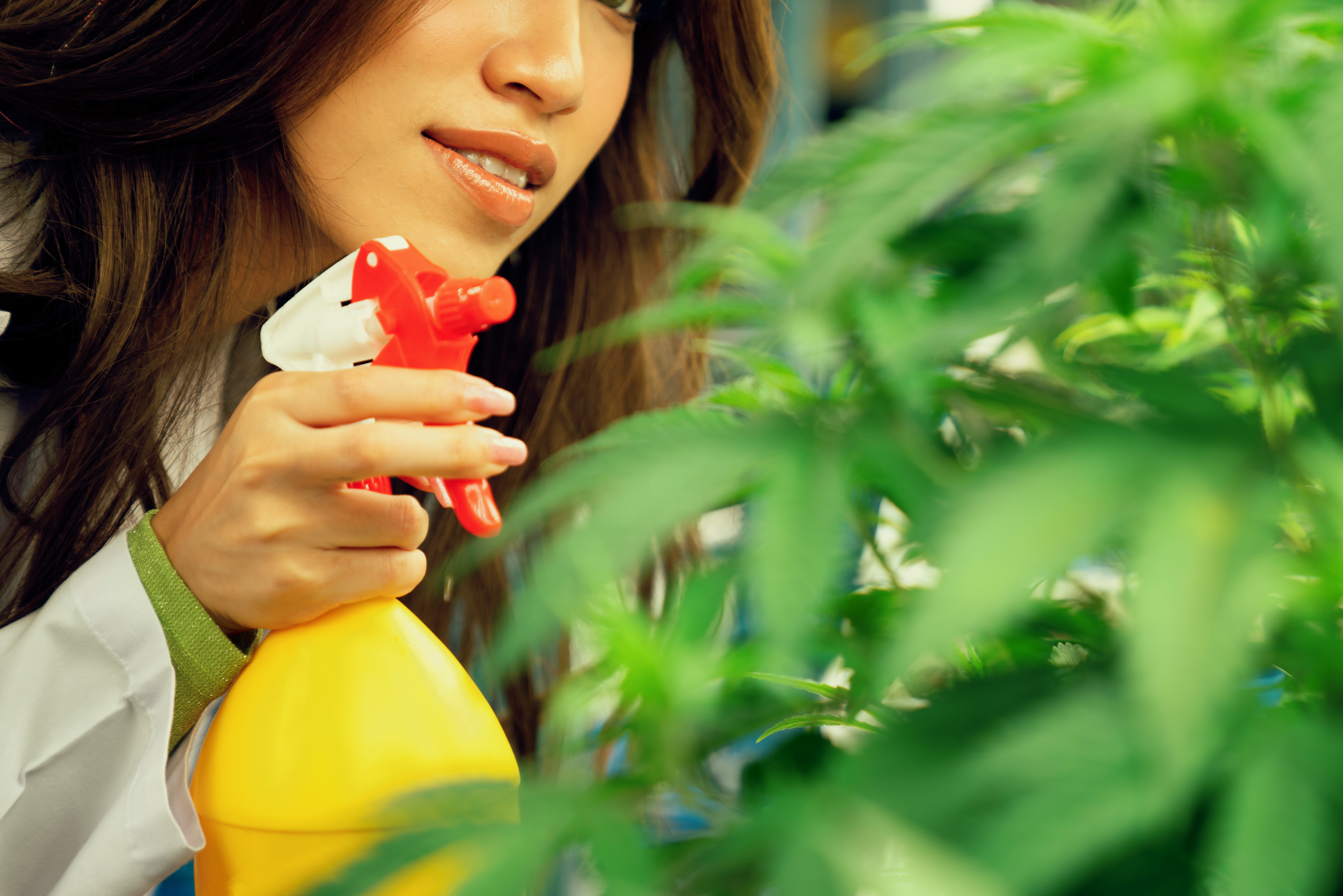


Water is one of the most important parts of growing healthy marijuana plants. A cannabis plant needs water from the time its seed begins to sprout until it reaches the end of flowering. Water supports almost every process inside the plant. It helps the roots absorb nutrients, carries those nutrients to the leaves, and supports the production of new stems, branches, and flowers. It also helps the plant control its temperature. Poor watering habits can therefore affect the health and growth of the entire plant.
Watering marijuana may seem simple, but many plant problems begin when the root zone stays too wet or becomes too dry. Some growers follow a strict schedule and water their plants at the same time every day. This method may appear organized, but plants do not always use water at the same speed. Their needs change as they grow. Temperature, humidity, light, airflow, container size, and soil type also affect how quickly water leaves the growing medium.
A young seedling has a small root system and uses very little water. Giving it the same amount as a mature plant can saturate the growing medium. The roots may then struggle to receive enough oxygen. A large plant in the flowering stage has more leaves, branches, and roots. It may use water much faster than a seedling, especially under strong grow lights or during hot weather. The amount and timing of irrigation must change as the plant develops.
Water does more than prevent a plant from becoming dry. It also moves dissolved minerals from the growing medium into the roots. These minerals include nitrogen, phosphorus, potassium, calcium, magnesium, and other nutrients needed for healthy development. Roots cannot take up these nutrients efficiently when the moisture level or pH is unsuitable. A plant may show signs that resemble a nutrient shortage even when nutrients are present in the soil. The real problem may be poor root conditions caused by excessive watering, dry soil, or unsuitable water quality.
Photosynthesis also depends on water. During this process, the leaves use light, water, and carbon dioxide to create energy for growth. Small openings on the leaves release water vapor as part of a process called transpiration. Transpiration helps move water and nutrients through the plant. It also helps cool the leaves. Warm temperatures, low humidity, strong airflow, and bright light can increase water loss. Cool conditions, high humidity, and weak airflow may slow it down.
Healthy roots need access to both water and oxygen. Soil and other growing media contain small spaces that can hold air or water. Proper watering moistens the root zone while allowing extra water to drain away. Poor drainage can keep those spaces filled with water for too long. The roots may then receive less oxygen. Growth can slow, leaves may droop or turn yellow, and harmful root organisms may become more likely to develop.
Overwatering does not always mean that too much water was given during one irrigation. It often means that water was applied too frequently. A container can receive a suitable amount of water, but the plant may still suffer if the medium never has time to lose some moisture. Watering again while the root zone remains saturated can create ongoing problems. This is why growers should inspect the growing medium before every irrigation instead of relying only on a calendar.
Underwatering creates a different form of stress. A plant that cannot take up enough water may develop limp leaves and weak stems. The growing medium may become very dry and pull away from the sides of the container. Severe or repeated drought can slow growth, damage leaf edges, and reduce the plant’s ability to carry nutrients. Very dry soil may also repel water at first. Water can run down the sides of the pot without reaching the center of the root ball.
A balanced watering routine depends on observation. Growers can check the moisture near the soil surface, feel the weight of the container, and watch how long it takes the medium to dry. A freshly watered pot feels much heavier than one that is ready for irrigation. Learning this difference can help a grower decide when the plant needs water. Moisture meters may also help, but they should support physical checks rather than replace them.
Container size and material can change the watering schedule. Small pots contain less growing medium and may dry quickly. Large pots hold more moisture and often take longer to dry. Fabric containers allow more air to reach the root zone, but they may lose moisture faster than plastic pots. Drainage holes must remain open so excess water can leave the container. Plants should not sit in trays filled with standing water because the medium can absorb that water again.
Indoor and outdoor plants also face different conditions. Indoor growers can control light, temperature, humidity, and airflow, but strong lamps can cause rapid water use. Outdoor plants are affected by sunlight, wind, heat, rainfall, and changing seasons. Rain does not always soak the entire root zone, especially when plants have thick leaf canopies or are grown in large containers. Outdoor growers still need to check the soil after rainfall instead of assuming that it received enough water.
Water quality is another part of proper irrigation. Tap water, filtered water, rainwater, and well water can contain different levels of minerals. Water pH can affect the availability of nutrients in the root zone. Very cold or hot water may also place stress on roots. Testing the water and understanding the growing medium can help prevent problems that may otherwise look like overwatering, underwatering, or nutrient deficiency.
Legal rules must also be considered before growing marijuana. Cannabis cultivation laws differ between countries, states, provinces, and cities. Some locations allow limited home cultivation, while others require registration or prohibit it. Rules may include age limits, plant limits, security measures, and requirements to keep plants away from public view. Anyone planning to grow cannabis should confirm the laws that apply to the exact location.
Successful watering is not based on one fixed amount or schedule. It comes from checking the plant, the growing medium, and the environment. Seedlings, vegetative plants, and flowering plants have different needs. Pots, soil mixtures, temperatures, and humidity levels also change how quickly moisture is used. A careful routine keeps the root zone moist enough to support growth while allowing enough air to remain around the roots. This balance provides a strong foundation for healthy cannabis plants.
Understanding How Marijuana Plants Use Water
Water supports nearly every part of a marijuana plant’s life. It helps the plant make food, move nutrients, control its temperature, and maintain firm leaves and stems. However, roots need more than constant moisture. They also need oxygen and a suitable growing environment. Understanding how marijuana plants take in and release water makes it easier to create a healthy watering routine.
How Roots Absorb Water
Marijuana plants absorb most of their water through the roots. Fine root hairs grow along the younger parts of the root system. These small hairs increase the surface area available for taking in water and nutrients.
Water enters the roots when moisture is available in the surrounding soil or growing medium. It then moves upward through special tissues inside the plant. These tissues act like narrow tubes that carry water from the roots to the stems, leaves, and flowers.
A healthy root system spreads through the growing medium in search of moisture, oxygen, and nutrients. Roots may remain shallow when only the surface receives water. Slow and even watering encourages moisture to reach deeper parts of the container. This can support a wider and stronger root system.
New seedlings have small roots that cannot reach moisture stored far from the stem. Their immediate root area should remain lightly moist but not soaked. Mature plants have larger root systems and can draw water from a greater part of the container. Their watering needs increase as the roots and upper growth expand.
How Water Carries Nutrients
Plant nutrients are usually dissolved in water before the roots can absorb them. These nutrients include nitrogen, phosphorus, potassium, calcium, magnesium, and sulfur. Marijuana plants also need smaller amounts of iron, manganese, zinc, copper, boron, and other elements.
Water acts as a transport system. It carries dissolved minerals into the roots and moves them to the parts of the plant where they are needed. Nitrogen supports leaf and stem development. Phosphorus contributes to root and flower development. Potassium supports water control and many other plant functions.
Too little water can limit nutrient movement. Dry growing media may prevent roots from absorbing enough moisture and minerals. Too much water can also interfere with nutrient use because saturated soil contains less oxygen. Roots under stress cannot work as well as healthy roots.
A plant may show yellow leaves or slow growth even when fertilizer is present. The problem may be caused by poor watering, unsuitable pH, or root damage. Adding more fertilizer without checking the root zone can make the problem worse. Growers should inspect soil moisture, drainage, and pH before assuming that the plant needs more nutrients.
The Role of Water in Photosynthesis
Photosynthesis is the process plants use to make energy. Marijuana leaves take in carbon dioxide from the air. The roots provide water, while light supplies energy. The plant uses these materials to produce sugars that support growth.
These sugars help the plant build new roots, stems, leaves, and flowers. A plant that lacks enough water may slow photosynthesis to protect itself. Growth may become slower because the plant cannot produce or move energy as well.
Leaves contain small openings called stomata. These openings allow carbon dioxide to enter the plant. They also release water vapor into the air. When a plant becomes too dry, it may close some of its stomata to reduce water loss. This action saves water, but it also limits carbon dioxide intake. Photosynthesis and growth may then decrease.
Transpiration and Water Movement
Transpiration is the release of water vapor from the leaves. It creates a gentle pull that helps move water upward from the roots. The process carries moisture and nutrients through the stems and into the leaves.
Environmental conditions affect the speed of transpiration. Warm air can increase water loss. Low humidity may also cause leaves to release moisture more quickly because the surrounding air is dry. Strong airflow can move humid air away from the leaf surface and replace it with drier air. Bright light may increase photosynthesis and plant activity, which can raise water demand.
Cool temperatures and high humidity often slow transpiration. Plants may use less water under these conditions. A container that dries in two days during hot weather may stay wet much longer during a cool and humid period. This is one reason a fixed watering schedule can cause problems.
Plant size also affects water use. A large marijuana plant has more leaf surface than a young plant. More leaves usually mean more places where water vapor can escape. Mature plants may therefore use water faster, although the exact rate still depends on the growing environment.
Water and Plant Temperature
Water helps marijuana plants control leaf temperature. Moisture released during transpiration can cool the leaves. This process is similar to the way evaporation cools a wet surface.
A plant with too little water may not cool itself well. Its leaves can become hot under strong sunlight or grow lights. Heat stress may cause leaf edges to curl upward. Brown or dry areas can develop when stress becomes severe.
Watering alone cannot correct every heat problem. Excessive light, poor ventilation, or very high room temperatures must also be addressed. Giving too much water to a heat-stressed plant can create root problems without correcting the main cause.
Why Roots Need Oxygen
Roots use oxygen to release energy from stored sugars. This energy supports root growth and the absorption of water and nutrients. Healthy growing media contain small spaces that hold both air and moisture.
Excessive watering can fill most of these spaces with water. When the root zone remains saturated, fresh oxygen moves through it more slowly. The roots may become weak and less able to absorb nutrients.
Low oxygen conditions can also support certain harmful organisms. Root diseases may become more likely when the growing medium stays warm and wet for long periods. Warning signs can include slow growth, drooping leaves, yellowing, soft roots, or an unpleasant smell from the container.
Good drainage helps extra water leave the pot. Materials such as perlite may improve airflow and drainage in some soil mixtures. Drainage holes must remain open, and containers should not sit in standing water.
Rooting Depth and Moisture Distribution
Water should reach the active root zone. A small amount applied only near the surface may encourage shallow root growth. However, pouring a large volume over a seedling can soak areas where no roots are present.
The watered area should expand as the plant grows. A young plant may first receive water in a small circle around the stem. That circle can become wider as the roots spread. An established plant should receive slow, even watering across most of the container surface.
Very dry soil may pull away from the container walls. Water can then run through these gaps without moistening the center. Applying water in smaller stages allows the medium time to absorb it. The grower can wait briefly between passes and continue until moisture is spread more evenly.
How Growth Stage Changes Water Use
Seedlings use small amounts of water because they have few leaves and limited roots. Vegetative plants need more as they develop branches and a wider canopy. Flowering plants may use large amounts during active flower growth because they have many leaves and a well-developed root system.
Water demand may slow near the end of the plant’s life. Environmental changes can also affect use at any stage. Growers should continue checking the root zone instead of assuming that older plants always need more water.
Container size matters as well. A small container holds less water and can dry quickly. A large container stores more moisture but may remain wet for too long if the plant is still small. Matching the container size to the plant helps create a more balanced wet-and-dry cycle.
Marijuana plants rely on water to absorb nutrients, complete photosynthesis, control temperature, and maintain healthy growth. Roots take up water from the growing medium, while transpiration helps pull it toward the leaves. Light, temperature, humidity, airflow, plant size, and growth stage all affect how quickly water is used. Healthy roots also need oxygen, so the growing medium should stay moist without remaining saturated. Careful moisture checks and even water distribution can support stronger roots and reduce the risk of watering-related problems.
How Often Should You Water Marijuana Plants?
Watering frequency is one of the most common concerns among cannabis growers. A simple schedule may seem helpful, but marijuana plants should not be watered only because a certain number of days have passed. Their water needs change based on their size, growth stage, growing medium, container, and environment. The safest approach is to check the plant and root zone before adding more water.
Why There Is No Fixed Watering Schedule
Some marijuana plants may need water every two or three days, while others may go longer between waterings. These time frames are only examples. They should not be treated as rules. Even two plants in the same room can use water at different rates.
A larger plant usually uses water faster than a small one because it has more leaves and a wider root system. A plant under strong light may also use more water than one under weaker light. Warm temperatures, dry air, and steady airflow can increase moisture loss. Cool or humid conditions may keep the growing medium wet for a longer period.
The type of growing medium makes a major difference. A heavy soil mixture can hold moisture for several days. A light and well-aerated mixture may dry much faster. Coco coir often needs more frequent irrigation than soil because it drains well and contains more air. Container size and material also affect how long moisture remains available.
These differences make it difficult to create one schedule that works for every plant. Growers should develop a routine based on regular checks rather than fixed watering days.
Checking the Soil Before Watering
One simple method is to check the upper layer of the growing medium. The surface often dries before the deeper root zone, so appearance alone is not enough. Soil may look dry on top while it remains wet around the roots.
A grower can gently place a finger about 1 to 2 inches into the soil. Watering may not be needed if the soil still feels cool and moist. The plant may be ready when this layer feels mostly dry and the container has become lighter.
This test should be performed carefully to avoid damaging roots. It may also be less reliable in large pots because moisture levels can differ across the container. Checking more than one area can provide a clearer result.
The finger test works best when combined with other signs. Container weight, drainage, plant appearance, and recent environmental conditions should all be considered.
Using Container Weight as a Guide
The container-lifting method is a useful way to judge moisture levels. A freshly watered pot is much heavier than a dry one. Learning the difference can help a grower decide when another irrigation is needed.
The container can be lifted or tilted slightly after watering. Its weight should be checked again as the growing medium dries. Repeating this process helps the grower recognize the weight of a pot that is still moist and one that is ready for water.
Large containers may be too heavy to lift safely. A grower can gently raise one side or push against the pot to judge its weight. Moisture meters may also help, but they should be used with physical checks.
Container weight is helpful because it shows how much water remains in the whole pot. Surface soil can dry quickly, but the pot may still feel heavy when deeper areas contain plenty of moisture.
Watering Seedlings and Young Plants
Seedlings have small root systems and low water needs. The root zone should remain lightly moist, but the entire container should not stay soaked. Watering too often is especially harmful to young plants because their roots use only a small part of the available moisture.
A seedling grown in a large container may need water only around its immediate root area. The watered circle can expand as the plant develops. Small amounts may be easier to control during this stage, but the medium should not be allowed to become completely dry around the roots.
Seedlings need frequent observation even if they do not need frequent watering. Warm air and strong light can dry a small amount of soil quickly. Large wet containers can create the opposite problem and remain saturated for too long.
Young plants should be checked daily. This does not mean they must be watered every day. Daily checks allow the grower to respond when the root zone actually begins to dry.
Watering During Vegetative Growth
Vegetative marijuana plants develop more leaves, branches, and roots. Their water use normally increases as the canopy becomes larger. A plant that once needed a small amount around the stem may later need the whole container watered evenly.
Established plants are often watered thoroughly and then allowed to use much of the available moisture before the next irrigation. This wet-and-dry cycle allows water to reach the root system while helping air return to the growing medium.
The dry period should not become severe enough to cause ongoing wilting. The goal is to let the medium become partly dry, not completely empty of moisture. A healthy cycle can support stronger roots and reduce the risk of constant saturation.
Rapid growth can change watering frequency within a short period. A plant may begin using water faster after transplanting, receiving stronger light, or developing a larger canopy. Regular checks help identify these changes.
Watering During Flowering
Flowering plants may use large amounts of water because they often have a full canopy and mature root system. Water demand can be high during early and middle flowering when the plant is stretching and producing flowers.
Some plants may need frequent irrigation under warm, bright conditions. However, flowering plants should still be checked before watering. A large plant can be overwatered if the growing medium drains poorly or remains wet between irrigations.
Water use may decrease during late flowering as growth slows. A plant that once dried its container quickly may begin taking longer. Continuing the old schedule can leave the root zone too wet.
Flower development also creates a need for careful watering methods. Wetting flowers can increase moisture around dense plant material. Water should usually be directed toward the growing medium rather than poured over the leaves and flowers.
Environmental Factors That Increase Water Use
High temperatures can cause marijuana plants and growing media to lose water faster. Strong grow lights add heat and can increase plant activity. Low humidity encourages moisture to move from the leaves into the air more quickly.
Airflow also affects watering frequency. Fans help move fresh air around the plant, but strong air movement can speed up moisture loss. Outdoor wind can have an even greater effect, especially on plants in fabric pots.
Small containers dry faster because they hold less growing medium. Fabric pots also lose moisture through their sides. Plants with large canopies or dense root systems may quickly use the water stored in a small container.
These conditions may shorten the time between waterings. Growers should increase monitoring rather than automatically increasing irrigation.
Conditions That Slow Drying
Cool temperatures reduce evaporation and may slow plant activity. High humidity can also reduce the speed of transpiration. Weak light, limited airflow, and small plant size may cause the growing medium to remain wet longer.
Large containers can store a great deal of moisture. Heavy soil mixtures containing fine particles may also drain slowly. Plastic pots lose less moisture through their sides than fabric containers.
A plant may need less frequent watering after pruning, transplant shock, pest damage, or root stress. These conditions can reduce leaf activity and water uptake. Watering at the old rate may create a saturated root zone.
Seasonal changes should also be considered. Outdoor plants may use less water during cool or cloudy weather. Indoor growing conditions can change when lights, fans, heaters, or humidifiers are adjusted.
Why Daily Watering Can Cause Problems
Daily watering is not automatically harmful, especially in fast-draining systems designed for frequent irrigation. However, giving soil-grown plants water every day without checking moisture can cause overwatering.
Constantly wet soil contains less air. Roots may become weak, and nutrient uptake may slow. Leaves can droop, yellow, or develop signs that look like nutrient deficiencies. Fungus gnats and root diseases may also become more common.
Frequent small amounts of water can create another problem. Only the upper soil may become wet, which can encourage shallow roots. Established soil-grown plants often benefit from a complete watering followed by a suitable drying period.
The correct frequency is the one that keeps the root zone supplied without leaving it saturated or extremely dry.
Marijuana plants should be watered according to root-zone moisture rather than a fixed calendar. Soil condition, container weight, plant size, growth stage, temperature, humidity, light, and airflow all affect how quickly water is used. Seedlings need small and careful applications, while established plants usually need broader watering across the root zone. Daily inspection is useful, but daily watering is not always required. A routine based on observation helps prevent both overwatering and underwatering while supporting steady plant growth.
How Much Water Does a Marijuana Plant Need?
The amount of water a marijuana plant needs depends on the plant and its growing conditions. There is no single volume that works for every seedling, mature plant, container, or garden. A small plant may need only enough water to moisten its limited root area. A large plant with a full canopy may use much more because it has more roots and leaves. The correct amount is enough to moisten the active root zone without keeping it flooded.
Why One Water Amount Does Not Fit Every Plant
Water needs change throughout the plant’s life. A seedling has a small root system and cannot use all the moisture stored in a large container. Giving a seedling a large amount of water can leave the growing medium wet for too long. Mature plants have wider roots and can use water from a larger area.
Plant size is only one factor. Temperature, humidity, light, airflow, container size, and growing medium also affect water use. A large plant under strong light in a warm room may use water quickly. A smaller plant in a cool and humid space may take several days to use the same amount.
Outdoor conditions can change from one day to the next. Hot sunlight and wind may increase water loss. Cloudy weather, rain, or cooler temperatures may reduce it. These changes make a fixed amount unreliable.
The amount should be adjusted according to how quickly the growing medium dries. A pot that remains heavy and wet for many days may be receiving too much. A pot that becomes very light within a short period may need more water or more frequent checks.
Considering Plant Size and Root Development
The visible size of a marijuana plant gives some information about its water needs. Larger plants usually have more leaf surface. More leaves can release more water vapor into the air, which raises the demand for moisture.
Root size is just as important as the canopy. A newly transplanted plant may sit in a large pot, but its roots may still occupy only the central area. Soaking the whole pot can leave unused soil wet for a long time. Water should first support the active root area. The watered area can become wider as the roots spread.
An established plant with roots throughout the container should receive water across most of the soil surface. This helps prevent dry pockets and gives roots access to moisture in different parts of the pot.
Root development may slow if the growing medium remains constantly wet. Roots need air as well as water. A suitable wet-and-dry cycle encourages them to search through the medium while still protecting the plant from severe drought.
Matching Water Volume to Container Size
Large pots can hold more growing medium and moisture than small pots. However, pot size does not automatically determine the exact amount of water to use. The size of the plant inside the pot must also be considered.
A small plant in a large container may not need the entire pot soaked. A mature plant in the same container may need a more complete watering. The relationship between plant size, root spread, and container volume is more useful than pot size alone.
Small containers dry faster because they hold less water. They may require frequent inspection, especially during warm weather. Large containers usually dry more slowly, but this depends on the soil mixture and the size of the plant.
Container material also affects water loss. Fabric pots allow air to pass through their sides and may dry faster. Plastic pots hold moisture longer because water mainly escapes from the surface and drainage holes. Clay pots can also lose moisture through their walls.
Applying Water Slowly and Evenly
Water should be applied slowly enough for the growing medium to absorb it. Pouring a large volume into one spot can create channels. The water may travel quickly through those channels and leave other areas dry.
A slow application allows moisture to spread through the soil. Water can be divided into several passes. The first pass lightly moistens the surface. A short pause gives the medium time to absorb it. The next passes can then carry moisture deeper into the root zone.
Water should be spread across the area occupied by the roots. Established plants generally benefit from even coverage around the container. Constantly pouring water near the stem may leave the outer areas dry and limit root spread.
Very dry soil may resist water. Moisture can run down the sides of the pot and leave the center dry. Several small applications may help rehydrate the medium more evenly. The soil can also be checked later to confirm that water reached below the surface.
Knowing When the Root Zone Is Moist
A well-watered container should feel heavier than it did before irrigation. The growing medium should be moist through the active root zone, but it should not become a thick, muddy mass. Extra water should be able to leave through the drainage holes.
A small amount of drainage may show that water has reached the lower part of the pot. However, runoff alone does not prove that the whole root zone is wet. Water can move through cracks or channels and escape without soaking dry areas.
The surface should be observed while water is applied. Puddles that remain for a long time may indicate compacted soil or slow drainage. Water that disappears at once and runs out of the bottom may point to dry channels or a very loose medium.
Container weight can be checked after watering. This creates a reference for future checks. The grower can then compare the weight as moisture is used. Keeping simple records can show how much water was applied and how many days it took for the pot to become light again.
Watering Seedlings and Young Plants
Seedlings need special care because their roots are small and delicate. The goal is to keep the nearby medium lightly moist without saturating the entire container.
A small amount can be applied around the seedling, leaving some distance from the stem. This encourages young roots to spread outward in search of moisture. Water should not be poured with enough force to move the soil or expose the roots.
The correct amount depends on the size of the seedling container and how quickly it dries. Small starter pots may lose moisture quickly. Large pots hold more water and require greater care. Daily checks are useful, but water should be added only when the root area begins to dry.
Seedling leaves are small, so water use is limited. Constant wetness can slow root development and may lead to drooping or yellow growth. Careful applications are safer than soaking the entire pot repeatedly.
Watering Established Vegetative Plants
Vegetative plants build stems, branches, leaves, and roots. Their water needs usually rise as the canopy expands. Established plants should receive enough moisture to support the whole root system.
Water can be spread across most of the container surface and applied until the root zone is evenly moist. The pot should then be allowed to lose some moisture before the next irrigation.
A plant that uses water quickly may need a larger application, more frequent irrigation, or a bigger container. A plant that remains wet for many days may need less water, better drainage, or improved environmental conditions.
Sudden changes should be made carefully. Doubling the amount because a plant looked slightly dry can create a new problem. Gradual adjustments allow the grower to observe how the plant and soil respond.
Watering Flowering Plants
Flowering plants often have large canopies and developed root systems. They may use more water during the stretch and early flower production. Strong light and warm temperatures can increase this demand.
Water use may level off or decrease during late flowering. Plants should continue to be checked rather than watered according to the amount used earlier in the cycle.
Flowers and dense leaves should not be soaked during routine irrigation. Excess moisture on plant surfaces can increase humidity and may support mold. Water should be directed toward the growing medium.
The amount of fertilizer in the water must also be considered. A larger volume of nutrient solution delivers more total fertilizer. Growers should follow product directions carefully and monitor the plant for signs of salt buildup or nutrient stress.
Using Runoff Without Wasting Water
Some container systems are watered until a limited amount drains from the bottom. This can help confirm that water reached the lower root zone and may reduce fertilizer salt buildup. However, producing a large amount of runoff at every watering can waste water and nutrients.
Living soil systems may use different methods that limit runoff to protect nutrients and soil life. Coco and mineral-based systems may use controlled runoff more often. The best approach depends on the medium and feeding method.
Drainage water should not remain in the tray beneath the pot. Standing water keeps the lower root zone wet and may carry salts back into the container.
Measuring and Recording Water Use
Simple records can make watering more consistent. A grower can note the amount applied, the date, container weight, plant stage, and number of days until the next watering.
These notes can reveal useful patterns. A plant may begin drying faster after entering flowering or during hotter weather. It may dry more slowly after pruning or when humidity rises.
Records should guide observation rather than replace it. Plants can change quickly, so the root zone should still be checked before every irrigation.
The correct amount of water depends on plant size, root development, container volume, growing medium, and environmental conditions. Seedlings need small and careful applications, while mature plants need more complete coverage of the root zone. Water should be applied slowly and evenly so it reaches the roots without creating dry pockets. Container weight, soil moisture, drainage, and simple records can help show whether the amount is suitable. The main goal is to provide enough water for healthy growth while allowing air to return to the root zone between irrigations.
How Can You Tell When a Marijuana Plant Needs Water?
Knowing when a marijuana plant needs water is more important than following a fixed schedule. Plants do not always dry at the same speed. A change in temperature, humidity, light, airflow, or plant size can alter water use. The growing medium may also look dry on top while remaining wet around the roots. A reliable decision should be based on several signs instead of only one.
Check the Moisture Below the Surface
The surface of the growing medium is the first area to dry. Light, heat, and airflow remove moisture from the top layer, even when deeper soil is still wet. Looking at the surface alone can lead to watering too early.
A simple finger test can provide more useful information. A grower can gently place a clean finger about 1 to 2 inches into the soil. The plant may not need water if the soil feels cool and moist at that depth. Watering may be needed when the upper layer feels mostly dry and the pot has also become lighter.
This test has limits. Moisture can vary across a large container. One area may feel dry while another remains wet. Checking two or three places around the pot may provide a better picture. Care is needed to avoid disturbing roots close to the surface.
Soil texture can also affect how moisture feels. A heavy mix may feel wet and sticky for a long time. A light mix with perlite may feel less wet even though it still holds enough moisture. Experience with the same growing medium makes the finger test more reliable.
Learn the Difference Between a Heavy and Light Pot
Container weight is one of the most useful ways to check water levels. Water adds a great deal of weight to a pot. A recently watered container should feel much heavier than one that is approaching the next irrigation.
The grower can lift or gently tilt the container before and after watering. This creates two reference points. The wet pot shows how the container feels when the root zone contains plenty of moisture. The lighter pot shows how it feels after the plant has used much of that water.
Large containers may be too heavy to lift. Raising one side slightly can still help. The container should be handled carefully to prevent damage to the plant or roots.
Pot weight provides information about moisture throughout the container. This makes it more useful than checking only the surface. A dry-looking top layer combined with a heavy pot usually means more water is not yet needed.
The pot should not be allowed to become extremely light every time. Severe drying can stress the plant and make some growing media difficult to wet again. The goal is to learn when enough moisture has been used without waiting for severe drought.
Watch for Early Signs of Dry Soil
The growing medium can show physical signs as it loses water. Its color may become lighter, and the surface may feel loose or dusty. Some soil mixtures begin to pull slightly away from the container walls when they become very dry.
A small amount of surface dryness is not always a problem. Marijuana plants grown in soil often benefit from a suitable drying period. The concern begins when dryness extends through most of the active root zone.
Very dry soil may shrink and form gaps around the sides of the pot. Water can move through these gaps and drain away without soaking the roots. The medium may need to be rehydrated through several slow applications if it reaches this condition.
Growers should check the drying pattern after each irrigation. A pot that becomes dry much faster than usual may be affected by warmer temperatures, stronger airflow, rapid plant growth, or a root system that has filled the container.
Observe the Leaves and Stems
Plant appearance can provide clues about water stress, but leaf position should not be used alone. Marijuana leaves naturally rise and lower during the daily light cycle. Some plants hold their leaves higher during active growth and lower them near the end of the light period.
A thirsty plant may begin to lose firmness. Leaves can appear limp and may hang downward. Smaller branches may also become less firm. These changes can happen quickly during hot or dry conditions.
Waiting for severe wilting before every watering is not a good routine. Repeated wilting can slow growth and damage leaf tissue. Soil moisture and container weight often reveal the need for water before the leaves become weak.
Drooping does not always mean the plant is dry. Overwatered plants can also droop. The condition of the growing medium helps separate the two problems. A drooping plant in a light pot with dry soil may need water. A drooping plant in a heavy pot with wet soil may have too much moisture or too little oxygen around its roots.
The texture of the leaves may also differ. Underwatered leaves often feel thin and limp. Leaves on an overwatered plant may remain firm while curving downward. These differences can help, but the root zone should still be checked before taking action.
Use Moisture Meters Carefully
A moisture meter can help measure water levels below the surface. The probe is placed into the growing medium, and the device gives a reading that may range from dry to wet.
Meters can be useful in large containers where finger tests cannot reach the deeper root zone. Several readings should be taken in different parts of the pot because moisture may not be evenly distributed.
The probe should not be pushed through thick roots or forced against the container. It should also be cleaned between uses. Salt buildup, dense soil, or poor contact can affect readings.
Low-cost meters may not always provide exact results. They are most useful for comparing moisture levels over time. A grower can learn what the reading shows after watering and how it changes as the pot dries.
Electronic sensors can offer continuous information in larger gardens. However, tools should support direct observation instead of replacing it. Container weight, plant condition, and soil checks remain important.
Check Moisture at Root Depth
Most water uptake occurs within the active root zone. The surface may dry while this area remains moist. Deep checks are especially important in large pots or outdoor beds.
A wooden stick can sometimes help test deeper soil. It can be inserted carefully near the edge of the container and removed after a short time. Dark soil marks and dampness may show that moisture remains below the surface. This method must be used gently to avoid root damage.
Root-zone moisture may also differ from one side of the container to the other. Uneven hand watering, blocked drip emitters, and compacted areas can create wet and dry pockets. Checking several locations helps identify these problems.
Water should be spread slowly across the active root area. Even moisture makes future checks more accurate and gives roots better access to water.
Notice Changes in Water Use
A healthy marijuana plant does not use the same amount of water throughout its entire life. Seedlings use little. Vegetative plants use more as their roots and leaves expand. Water demand may rise again during early flowering.
Sudden changes can provide important information. A plant that begins drying much faster may have grown rapidly or become root-bound. Hotter weather or lower humidity can also increase water use.
A plant that starts drying slowly may be under stress. Cool temperatures, high humidity, root damage, disease, or weak light can reduce water uptake. Applying the old amount on the old schedule can then cause overwatering.
Recording watering dates and approximate amounts can reveal these changes. Notes about temperature, humidity, and plant stage can make the record more useful.
Build a Normal Wet-and-Dry Pattern
Each plant develops a normal moisture pattern based on its environment. The grower can observe how the pot feels immediately after watering and how long it takes to become ready again.
A healthy pattern includes thorough moisture followed by a gradual drying period. The medium should not remain saturated for many days, and the plant should not be allowed to wilt severely between every irrigation.
The pattern may change after transplanting, pruning, temperature changes, or adjustments to the lighting system. It should therefore be reviewed throughout the grow.
Several signs should agree before water is added. A mostly dry upper layer, a lighter container, and normal environmental conditions together provide stronger evidence than one sign alone.
A marijuana plant may need water when the upper growing medium is mostly dry, the container feels lighter, and moisture has decreased through the active root zone. Leaf drooping can provide another clue, but it must be compared with soil conditions because both wet and dry roots can cause drooping. Finger tests, pot weight, moisture meters, and regular observation can work together. Learning the plant’s normal wet-and-dry pattern helps prevent early watering, severe drought, and repeated root stress.
Watering Marijuana at Each Growth Stage
A marijuana plant does not need the same amount of water throughout its life. Its root system, leaf area, growth rate, and environment change from one stage to the next. Seedlings need small and careful applications, while mature plants can use much more water. A suitable watering routine should develop with the plant instead of remaining fixed from germination to harvest.
Watering Marijuana Seedlings
Marijuana seedlings have small and delicate root systems. Their roots occupy only a limited area around the stem, even when the seedling is growing in a large container. This means the plant cannot use all the moisture held throughout the pot.
The immediate root area should remain lightly moist during early growth. It should not become soaked or remain muddy. Saturating a large container can reduce the amount of oxygen available to the young roots. The wet soil may also take many days to dry because the seedling is too small to use the stored water.
Water can be applied gently in a small circle around the seedling. Pouring it directly against the stem may disturb the soil or expose fine roots. The watered circle can become wider as the plant develops. This method encourages roots to spread outward in search of moisture.
Small starter containers can dry quickly, so seedlings should be checked each day. Daily inspection does not mean daily watering is always required. The grower should examine the growing medium and add water only when the root area begins to dry.
Spray bottles may help moisten the surface during germination, but they can become less useful once roots move deeper. Light surface spraying may leave the lower root zone dry. A gentle watering container gives better control as the seedling grows.
Seedling leaves can droop from both excessive and limited moisture. The soil should always be checked before more water is added. A wet and heavy container suggests that the roots need time and oxygen, while a light container with dry soil may need careful irrigation.
Watering Clones and Newly Rooted Cuttings
Clones are cuttings taken from a mature marijuana plant. They begin without a full root system, so they cannot absorb water as well as established plants. High humidity may help unrooted cuttings limit moisture loss while roots are forming.
The rooting medium should remain evenly moist but not flooded. Too much water can reduce oxygen and slow root formation. Too little water can cause the cutting to wilt because it has limited ability to replace the moisture lost through its leaves.
Water needs change after roots appear. A rooted clone can begin using moisture from a larger area. Humidity may then be reduced gradually, and the plant can move toward a normal watering cycle.
New clones should not receive strong fertilizer unless the chosen growing method calls for it. Their limited roots are sensitive to high mineral levels. Plain or lightly prepared water may be more suitable during early rooting, depending on the growing medium.
Watering After Transplanting
Transplanting moves a plant into a larger container or new growing area. The roots need time to expand into the fresh growing medium. A careful watering after transplanting helps settle the soil around the root ball and reduces large air gaps.
The entire new container does not always need to remain fully saturated, especially when a small plant has been moved into a much larger pot. Water should support the original root ball and the nearby area where roots will begin to grow.
The plant may use less water for a short time after transplanting. Root disturbance can slow water uptake until the plant adjusts. Applying water according to the old schedule may keep the new soil wet for too long.
Moisture should be checked near both the original root ball and the fresh outer soil. The center can dry while the surrounding area remains wet, or the reverse can happen. Slow and even watering helps reduce these differences.
New growth is a sign that the plant has begun to establish itself. Water can then be applied across a wider area as roots spread through the container.
Watering During Vegetative Growth
The vegetative stage is a period of active leaf, stem, branch, and root development. Marijuana plants often begin using water faster during this stage. A larger canopy releases more moisture, while the expanding root system can reach more of the container.
Established vegetative plants usually need the root zone watered more fully. Water can be applied slowly across most of the growing medium. This supports roots throughout the container and reduces dry pockets.
The medium should then be allowed to lose some moisture before the next irrigation. A suitable wet-and-dry cycle helps air return to the root zone. However, the plant should not be left dry long enough to wilt on a regular basis.
Training and pruning can affect water use. Removing leaves or branches reduces the amount of leaf surface releasing water. The plant may temporarily use less moisture after major pruning. Watering should be adjusted if the container begins taking longer to dry.
Rapid growth can create the opposite change. A plant may suddenly begin using water much faster as its canopy and roots expand. This may be a sign that the plant needs more frequent checks or a larger container.
Watering During the Flowering Stretch
Many marijuana plants grow quickly during the first part of flowering. Stems lengthen, branches expand, and flower sites begin to form. This period is often called the flowering stretch.
Water demand may rise during the stretch because the plant is building new tissue. A developed root system and larger canopy can remove moisture from the pot quickly. Growers should watch container weight and root-zone moisture closely.
Changing the light schedule indoors can also affect water use. Longer dark periods may reduce the total time available for photosynthesis and transpiration. However, rapid plant growth may still increase demand. The actual condition of the medium remains the best guide.
Nutrient programs often change at the start of flowering. Watering volume and nutrient strength should not be increased at the same time without careful observation. A large volume of a strong solution can deliver more fertilizer than the plant needs.
Watering During Mid-Flowering
Flowers become larger and denser during the middle of the flowering stage. Mature plants may use high amounts of water, especially under strong light and warm conditions.
Irrigation should reach the full root zone. Slow application helps the growing medium absorb moisture evenly. Drainage should remain open so extra water can leave the container.
Water should be directed toward the growing medium rather than the flowers. Wet flowers and high humidity can create conditions that support mold. This risk becomes more serious as flower clusters become dense.
Airflow is important, but fans should not blow so strongly that plants lose water too quickly. Environmental balance helps the plant maintain a steady rate of water use.
Watering During Late Flowering
Water demand may begin to slow during late flowering. The plant’s upward growth decreases, and its normal aging process becomes more visible. A container that dried quickly during mid-flowering may start taking longer.
Growers should not continue using the same amount simply because it worked earlier. A slower drying rate means irrigation may need to be reduced or spaced farther apart. Constant wetness near harvest can create root stress and raise humidity around dense flowers.
Some growers stop watering before harvest in an effort to dry the plant. Severe drought is not required for normal flower development and may place unnecessary stress on the plant. Watering should continue according to root-zone conditions until the planned harvest period, unless the growing system has a specific reason for adjustment.
Fertilizer use may change late in the cycle, but reducing nutrients is different from denying the plant water. Roots still need suitable moisture to function.
Adjusting for Plant and Environmental Changes
Growth stage provides a general guide, but environmental conditions can change water use at any time. High temperatures, dry air, bright light, and strong airflow may increase demand. Cool conditions, high humidity, weak light, and root stress may reduce it.
Plant health also matters. A damaged or diseased root system may use water slowly even when the plant is large. A healthy plant in a small container may dry very quickly because its roots occupy most of the available space.
Growers should keep checking soil moisture, pot weight, drainage, and plant response throughout every stage. These signs show what the plant needs more accurately than age alone.
Marijuana watering should change as the plant develops. Seedlings and unrooted clones need light, controlled moisture around their limited roots. Newly transplanted plants need time to expand into fresh soil. Vegetative and early flowering plants usually use more water as their roots and canopies grow. Demand may remain high during mid-flowering but can slow near the end of the cycle. Regular moisture checks help the grower adjust irrigation to each stage without keeping the root zone saturated or allowing severe drought.
Watering in Soil, Coco Coir, and Hydroponic Systems
The growing medium has a major effect on how often marijuana plants need water. Soil, coco coir, and hydroponic systems hold and deliver moisture in different ways. A watering method that works well in soil may cause problems in coco or hydroponics. Growers need to understand drainage, air space, nutrient delivery, and moisture retention before creating an irrigation routine.
Watering Marijuana Plants in Soil
Soil holds water, nutrients, and air around the roots. Its ability to hold moisture depends on its texture and ingredients. Heavy soil with many fine particles can remain wet for a long time. A lighter mixture containing perlite, bark, or other aeration materials usually drains faster.
Cannabis grown in containers often benefits from a wet-and-dry cycle. The soil is watered until the active root zone is evenly moist. The plant then uses some of that moisture before more water is added. This cycle allows fresh air to return to spaces in the soil.
The drying period should not continue until the plant suffers severe drought. The goal is to allow the upper layer and part of the root zone to become drier without allowing the whole pot to become hard and dusty.
Container weight can help determine when soil-grown plants need water. A wet pot feels heavy, while a pot that has used much of its moisture feels lighter. The top 1 to 2 inches of soil can also be checked. More water may not be needed if the pot is still heavy and the soil below the surface feels moist.
Slow application is important. Water poured quickly into one spot may create channels through the soil. Some areas can remain dry even when water flows from the drainage holes. Several slow passes give the medium time to absorb moisture.
Understanding Soil Texture and Drainage
Soil texture controls how quickly water moves and how much remains available to the roots. Fine soil particles hold water tightly and may drain slowly. Coarse materials create larger spaces that allow water and air to move more freely.
A compacted soil mix can create poor drainage. Water may collect on the surface or take a long time to pass through the container. Roots can struggle to receive oxygen when the medium remains saturated.
A mixture that drains too quickly can cause a different problem. Water may leave the pot before the root zone absorbs enough. The container can then become dry soon after irrigation. Organic matter and other moisture-holding materials may help create a better balance.
Drainage holes must remain open. Saucers beneath pots should be emptied after irrigation. Standing water can keep the lower soil wet and may allow salts to move back into the container.
Watering Living Soil
Living soil contains microorganisms and organic materials that help make nutrients available to plants. These systems often aim to keep soil life active while avoiding major changes in moisture.
The medium should not become completely dry because severe drying can harm roots and soil organisms. However, it should not remain flooded. Gentle and even irrigation helps maintain suitable moisture without pushing large amounts of water through the pot.
Heavy runoff is often avoided in living soil because it can carry away soluble nutrients. Water may be applied in smaller amounts across the soil surface. Mulch can reduce surface evaporation and help keep moisture more stable.
A mulch layer can make the finger test less direct. The mulch may feel dry even when the soil below remains moist. Growers should move it aside and check the actual growing medium before watering.
Watering Marijuana Plants in Coco Coir
Coco coir is made from coconut husk fibers. It holds moisture while also allowing air around the roots. These qualities make it useful for cannabis, but coco should not be managed in the same way as regular soil.
Coco is often treated as a soilless hydroponic medium because nutrients are usually supplied through the irrigation water. The grower controls what the plant receives through a prepared nutrient solution.
Coco commonly needs more frequent watering than soil. Mature plants may receive irrigation each day or more often in systems designed for high-frequency feeding. The exact schedule depends on plant size, container volume, climate, and the amount of coco available.
Allowing coco to become extremely dry can cause nutrient concentration and pH changes around the roots. Large wet-and-dry swings may make feeding less stable. The medium is often kept evenly moist while still allowing drainage and air movement.
This does not mean that young plants in large coco containers should be flooded. Seedlings and newly transplanted plants still have limited root systems. Irrigation should match the area occupied by the roots until the plant becomes established.
Nutrient Management in Coco Coir
Plain water does not always provide everything cannabis needs in coco. Coco contains few plant nutrients on its own. A complete nutrient solution is commonly used during regular irrigation.
Calcium and magnesium need close attention because coco can affect how these minerals remain available. Water quality and the nutrient formula influence whether added calcium or magnesium is needed. Adding supplements without testing or following product guidance can create excess mineral levels.
Electrical conductivity, often called EC, shows the concentration of dissolved salts in the water. Monitoring input and drainage water can help identify nutrient buildup. A rising EC in the root zone may mean that salts are becoming concentrated.
Controlled runoff is often used to help manage salt levels in coco. Too much runoff wastes water and fertilizer, while too little may allow salts to build up. The correct approach depends on nutrient strength, irrigation frequency, and plant response.
Watering in Hydroponic Systems
Hydroponic systems grow plants without traditional soil. Roots receive water, oxygen, and dissolved nutrients through a prepared solution. Different hydroponic designs deliver this solution in different ways.
Deep-water culture keeps roots suspended in an aerated nutrient solution. Drip systems deliver solution near the base of each plant. Ebb-and-flow systems flood the root area and then drain it. Nutrient film systems move a thin layer of solution past the roots.
Hydroponic plants do not follow the same watering cycle as soil-grown plants. Pumps, reservoirs, timers, and air systems control how moisture reaches the roots. A failure in one part of the system can quickly affect plant health.
Roots must receive enough oxygen. An air pump and air stone are often used in deep-water culture. Warm reservoir water holds less oxygen and may support harmful root organisms. Reservoir temperature, circulation, and cleanliness are therefore important.
Managing pH and Nutrients in Hydroponics
Hydroponic plants receive most of their nutrients directly from the water. The pH and mineral concentration must be checked regularly because there is little soil to buffer changes.
The reservoir level can fall as plants absorb water and as moisture evaporates. Nutrient concentration may change even when the remaining solution looks clear. EC and pH meters help growers understand what is happening.
Fresh water can be added when the level drops, but the full solution may also need to be replaced at suitable intervals. The reservoir, tubing, and pumps should be kept clean to reduce blockages and unwanted growth.
Sudden pH changes may indicate root problems, a dirty reservoir, or an unsuitable nutrient mixture. Large corrections should be avoided. Gradual adjustment is usually safer for roots.
Choosing Containers for Different Media
Container type affects moisture loss in every growing medium. Plastic pots keep moisture inside longer because their walls are not porous. Fabric pots allow more air movement and can dry faster. Clay pots also lose moisture through their sides.
Fabric containers may help reduce circling roots, but they require closer moisture checks during warm or dry conditions. Small fabric pots can dry very quickly, especially when filled with coco or a light soil mix.
The container should match the plant’s size and irrigation method. A small plant in a very large pot can remain wet for too long. A mature plant in a small pot may need frequent watering because the roots have filled most of the available space.
Outdoor beds provide more soil volume than containers. Their surface may dry while deeper soil remains moist. Rainfall, sunlight, wind, and soil drainage must all be considered before adding water.
Adjusting Watering Advice to the Medium
General watering advice should always be matched to the growing medium. Allowing the top soil to dry can work for container-grown cannabis in regular soil. The same degree of drying may create problems in coco. Hydroponic systems require a different approach because water delivery is controlled by the system rather than soil moisture.
Growers should identify the medium before deciding how much and how often to water. Soil should be checked for moisture and drainage. Coco requires steady irrigation and nutrient management. Hydroponics depends on clean equipment, stable water quality, and enough oxygen around the roots.
Soil, coco coir, and hydroponic systems require different watering methods. Soil usually benefits from thorough watering followed by a suitable drying period. Coco often needs more frequent irrigation and a complete nutrient solution. Hydroponic systems deliver water and minerals directly to the roots and require close control of pH, nutrient strength, oxygen, and equipment. Container type, drainage, root size, and environmental conditions also affect water use. Matching the watering routine to the growing medium helps protect roots and support steady plant growth.
Water Quality, pH, and Temperature
Water quality affects how well marijuana roots absorb moisture and nutrients. Clear water is not always suitable water. Tap water, well water, rainwater, and filtered water can contain different minerals and chemicals. The water’s pH, mineral content, and temperature can all affect the root zone. Testing these factors can help prevent problems that may otherwise look like nutrient deficiencies or poor watering.
Understanding Water pH
The pH scale shows how acidic or alkaline a solution is. It ranges from 0 to 14. A reading of 7 is neutral. Numbers below 7 are acidic, while numbers above 7 are alkaline.
Marijuana plants can absorb nutrients only when the root-zone pH remains within a suitable range. A pH that is too high or too low can make some nutrients harder for roots to absorb. This problem is often called nutrient lockout.
The nutrients may still be present in the soil or solution, but the plant cannot use them well. Leaves may become yellow, develop spots, or show unusual colors. Adding more fertilizer may not solve the problem and can increase salt buildup.
Cannabis grown in soil generally performs well when the root-zone pH stays around 6.0 to 7.0. Many growers aim for a narrower range near 6.0 to 6.5. Plants grown in coco or hydroponic systems usually need a slightly more acidic range, often around 5.5 to 6.5. The exact target can depend on the growing medium, nutrient formula, and stage of growth.
Testing and Adjusting pH
Water pH can be tested with liquid test kits, paper strips, or digital meters. Digital meters provide a number and can be useful when small changes matter. However, they must be cleaned, stored, and calibrated according to the manufacturer’s directions.
Testing should take place after nutrients or supplements are mixed into the water. Fertilizers can change the pH. Testing plain water first and then adding nutrients may produce a final solution outside the desired range.
The solution should be mixed well before testing. The meter probe should be placed in the water long enough for the reading to become stable. A second reading can confirm the result.
Products called pH up and pH down can be used to make adjustments. Only a small amount should be added at a time. The solution should then be mixed and tested again. Large corrections can cause the pH to move too far in the other direction.
Repeated adjustments may add extra salts to the water. A solution that needs major correction every time may have high alkalinity or another water quality issue. Testing the source water can help identify the cause.
Water pH Versus Root-Zone pH
The pH of irrigation water is important, but it is not always the same as the pH around the roots. Soil ingredients, fertilizers, microorganisms, and mineral buildup can change conditions after water enters the container.
A plant can receive correctly adjusted water while still having an unsuitable root-zone pH. This may happen when fertilizer salts collect in the medium or when the water contains high alkalinity.
Runoff can provide some information, but one runoff reading should not be treated as a complete diagnosis. Water may pass through different parts of the pot and collect dissolved material along the way. The result can vary according to where and how the runoff forms.
Testing runoff over time is more useful than reacting to one reading. A large difference between the input and runoff may suggest a developing problem. Soil tests, slurry tests, and root-zone probes can provide more direct information when greater accuracy is needed.
Can Tap Water Be Used for Marijuana Plants?
Tap water can often be used for marijuana plants, but its quality differs between locations. Some tap water contains moderate mineral levels and works well. Other supplies may contain high amounts of calcium, magnesium, sodium, bicarbonates, or other dissolved materials.
A local water report can provide useful details. The report may list hardness, alkalinity, sodium, chlorine, chloramine, and total dissolved solids. Well water may require private testing because its quality is not managed by a city water system.
Hard water contains higher levels of minerals, mainly calcium and magnesium. These minerals are plant nutrients, but excessive levels can affect nutrient balance and leave deposits on equipment. High alkalinity can also cause the root-zone pH to rise over time.
Softened household water may contain extra sodium because many water softeners exchange calcium and magnesium for sodium. High sodium can harm roots and affect soil structure. Water taken before the softener may be more suitable, depending on its original mineral content.
Tap water should be tested before expensive filtration equipment is purchased. Many water sources do not require full treatment. The correct choice depends on the test results and the growing method.
Chlorine and Chloramine
Public water systems may use chlorine or chloramine to control harmful microorganisms. The levels used in drinking water do not always create problems for container plants. However, growers using living soil may be more concerned about repeated exposure because they want to protect soil microorganisms.
Chlorine can leave water when it sits in an open container, although the speed depends on temperature, airflow, and other conditions. Chloramine is more stable and does not disappear as easily.
Leaving all tap water out for 24 hours is not a complete solution if the supply contains chloramine. A suitable carbon filter may reduce chlorine and chloramine, but filter performance varies. The local water provider can confirm which treatment is used.
Unnecessary treatment can make watering more difficult. Testing and checking the local water report provide a better basis for action than assuming all tap water is harmful.
Using Rainwater
Rainwater is usually low in dissolved minerals. It may be useful in areas where tap water is very hard or high in sodium. However, rainwater quality depends on how it is collected and stored.
Water that flows across a dirty roof can carry dust, bird waste, plant material, metals, and other contaminants. Storage containers can develop algae or support insects if they are not covered and cleaned.
Collected rainwater should be filtered when needed and stored in a clean, closed container. Its pH and mineral content should still be tested. Very low mineral levels may require a balanced nutrient program.
Local rules may limit rainwater collection in some areas. Growers should check these rules before setting up a collection system.
Filtered and Reverse-Osmosis Water
Basic carbon filters may reduce chlorine, chloramine, odors, and some contaminants. They do not remove every dissolved mineral. Their effectiveness depends on the filter material, water flow, and maintenance.
Reverse osmosis systems remove a large share of dissolved minerals and other substances. This process can produce very clean water, which gives the grower more control over the nutrient solution.
Very pure water is not automatically better for plants. Reverse-osmosis water contains little calcium, magnesium, and alkalinity. It may need nutrients or minerals added back before use. Its low buffering ability can also make pH change quickly.
Reverse osmosis creates wastewater and requires filter replacement. It is usually most useful when the original water has a clear problem, such as high sodium, excessive hardness, or unwanted contaminants.
Understanding Mineral Content and EC
Electrical conductivity, or EC, measures how well water carries an electrical current. Dissolved salts increase conductivity, so EC gives a general estimate of mineral concentration.
A high source-water EC means the water already contains a significant amount of dissolved material before fertilizer is added. These unknown minerals reduce the grower’s control over the final nutrient balance.
Total dissolved solids meters provide a related reading in parts per million. Different meters may use different conversion scales, so EC is often easier to compare.
EC does not identify individual minerals. Water can have the same EC but contain very different amounts of calcium, sodium, or bicarbonates. A laboratory test or water report is needed to show the exact contents.
Choosing the Right Water Temperature
Water temperature can affect roots and dissolved oxygen. Very cold water may slow root activity and place stress on the plant. Hot water holds less oxygen and may create poor conditions in the root zone.
Room-temperature water is usually a practical choice for soil and coco plants. It avoids sudden temperature changes and is comfortable for the roots. Water should not be heated to a precise temperature unless the growing system requires close control.
Hydroponic reservoirs need more careful temperature management. Warm nutrient solutions contain less dissolved oxygen and can support harmful root organisms. Very cold solutions may slow plant growth.
Water containers should not be left under strong lights or direct sun. Heat can raise the temperature and encourage algae. Clean, covered storage in a stable environment helps protect water quality.
Healthy marijuana plants need water with suitable pH, mineral content, and temperature. Soil-grown cannabis generally prefers a root-zone pH near 6.0 to 7.0, while coco and hydroponic systems often use a range near 5.5 to 6.5. Tap water may work well, but hardness, alkalinity, sodium, chlorine, and chloramine should be checked. Rainwater and filtered water can be useful when they are collected or treated correctly. Reverse-osmosis water offers control but may need minerals added back. Regular testing and room-temperature water can help maintain stable root conditions and reliable nutrient uptake.
The Best Time and Method for Watering
The time and method used to water marijuana plants can affect root health, moisture control, and disease risk. Water should reach the active root zone without flooding the growing medium or leaving dry pockets. Timing also matters because light, temperature, and humidity change during the day. A consistent routine based on the plant’s needs can reduce water waste and help the root zone dry at a suitable rate.
The Best Time to Water Indoor Marijuana Plants
Indoor marijuana plants are usually watered near the beginning of the light period. This timing allows the plant to use water while photosynthesis and transpiration are becoming active. Heat from the grow lights can also help extra surface moisture dry during the day.
The growing medium should still be checked before irrigation. A plant should not receive water only because the lights have turned on. The pot may still be heavy and moist from the previous watering.
Watering near the start of the light period gives growers time to observe drainage. Trays can be emptied, blocked drainage holes can be found, and leaks from irrigation equipment can be corrected. This can prevent containers from sitting in water for many hours.
Late watering is not always harmful, but it may cause the root zone to stay wet during the entire dark period. Indoor temperatures often fall when lights turn off. Cooler conditions slow evaporation and may reduce water use. High humidity can also develop if large amounts of water are added just before darkness.
Plants that become severely dry during the dark period may still need water. It is better to correct serious dryness than to wait many hours for the ideal time. A well-planned routine should prevent this situation by checking moisture before the lights turn off.
The Best Time to Water Outdoor Marijuana Plants
Morning is often the best time to water outdoor marijuana plants. Temperatures are usually cooler, and the sun is less intense. Water has time to enter the soil before the hottest part of the day.
Morning irrigation also gives wet surfaces time to dry. This is important when water touches lower leaves or stems. Moist plant material that remains wet overnight may create conditions that support fungal growth.
Watering during the hottest part of the afternoon can lead to faster evaporation. The soil surface may lose moisture before enough water reaches deeper roots. Hot hoses can also contain very warm water if they have been left in direct sunlight. The stored water should be allowed to cool before it is applied.
Evening watering may be necessary during very hot conditions, but it should be managed carefully. Water should be directed toward the soil, and leaves and flowers should remain as dry as possible. Good airflow and drainage become especially important when temperatures fall after sunset.
Weather should guide outdoor irrigation. A plant may not need water before expected rain. However, a short rain shower may wet only the soil surface. Root-zone moisture should be checked after rainfall instead of assuming that enough water reached the roots.
Water the Growing Medium Instead of the Plant
Routine irrigation should be directed toward the growing medium. Marijuana plants absorb most of their water through the roots, not through the leaves. Pouring water over the canopy can raise humidity and spread contaminants between plants.
Wet leaves may dry quickly during early vegetative growth, but dense flowers can trap moisture. This may increase the risk of mold during flowering. Watering from below the canopy helps keep flowers dry.
Water should not be poured forcefully against the stem. A strong stream can move soil, expose roots, or create a deep channel. Young seedlings are especially easy to damage.
The watered area should follow the size of the root system. A seedling needs moisture close to its small root zone. An established plant needs broader coverage across the container or bed.
Apply Water Slowly and Evenly
Slow watering gives the growing medium time to absorb moisture. Fast pouring can cause water to collect on the surface or run down the sides of the pot. It may also create channels that carry water straight to the drainage holes.
Water can be applied in several passes. The first pass lightly moistens the surface. A short pause allows the medium to absorb it. Later passes carry moisture deeper and spread it across the root zone.
Even coverage is important because dry pockets can remain inside the pot. Roots in those areas may receive little water or nutrients. Other parts of the container may become saturated at the same time.
Established plants should usually receive water across most of the soil surface. Applying water only near the stem may encourage a smaller root zone. Applying it only around the outer edge can leave the center dry.
Rehydrate Very Dry Growing Media Carefully
Very dry soil can become difficult to wet. It may shrink away from the container walls and create gaps. Water poured onto the surface can flow through these gaps without soaking the root ball.
Several small applications can correct this problem. The first amount should be allowed to soak into the surface. More water can then be added after a short pause. The grower should continue slowly until the deeper medium becomes evenly moist.
A wooden stick or moisture meter may help confirm whether water reached the center. Container weight should also increase after successful irrigation.
Severely dry coco can also develop uneven moisture and concentrated nutrients. It should be rehydrated gradually with a suitable solution. Sudden flooding may produce large changes around the roots.
Repeated severe drying suggests that the watering routine needs adjustment. The plant may need more frequent checks, a larger container, or protection from excessive heat and airflow.
Using a Watering Can
A watering can offers simple control for small gardens. A narrow spout can direct water toward the growing medium and away from the leaves. A rose attachment spreads water more gently across a wider area.
The container should be clean and used only for plant-safe materials. Fertilizer residue can change the strength of later mixtures if the can is not rinsed.
Watering cans work well for slow hand watering, but the grower must treat each plant according to its needs. Giving every pot the same amount can lead to overwatering small plants and underwatering large ones.
Using Hand Sprayers and Hoses
A hand sprayer can help during germination or early seedling growth. It provides gentle moisture without moving the soil. However, surface spraying may not reach deeper roots once the plant develops.
Hoses are useful for outdoor plants and large containers. A nozzle with a soft flow provides better control than a strong stream. Water pressure should be low enough to avoid soil erosion and plant damage.
Outdoor hoses can become hot in direct sunlight. Water should be run until it reaches a suitable temperature before irrigation begins. Hoses and nozzles should also be kept clean when fertilizers are applied through them.
Using Drip Irrigation
Drip irrigation delivers water slowly through small emitters. It can reduce labor and place water near the root zone. A timer can make the system more consistent, but it should not replace moisture checks.
Emitter flow must match plant size, medium, and container volume. One emitter may wet only a small part of a large pot. Several emitters placed around the root zone can improve coverage.
Drippers can become blocked by mineral deposits, algae, or fertilizer residue. Each emitter should be checked regularly. A blocked line can leave one plant dry while the rest of the garden appears normal.
Timers may also continue watering during cool or humid conditions when plants use less moisture. Irrigation length and frequency should be adjusted as plants grow and environmental conditions change.
Managing Drainage After Watering
Extra water must be able to leave the container. Drainage holes should remain open, and pots should be raised slightly if the floor blocks water flow.
Trays should be emptied after runoff collects. Leaving pots in standing water can keep the lower root zone saturated. It may also allow dissolved fertilizer salts to move back into the pot.
Growers should observe how quickly water drains. Very slow drainage may suggest compacted soil or blocked holes. Immediate runoff may indicate channels, dry gaps, or a medium that does not hold enough moisture.
Marijuana plants are commonly watered near the beginning of the light period indoors or during the morning outdoors. These times allow plants to use moisture during active growth and give wet surfaces time to dry. Water should be directed toward the growing medium and applied slowly across the active root zone. Watering cans, hoses, and drip systems can all work when they provide gentle and even coverage. Drainage, container weight, and root-zone moisture should be checked after irrigation. A careful method helps water reach the roots while reducing dry pockets, standing water, and excess moisture around leaves and flowers.
Runoff, Drainage, and Nutrient Buildup
Runoff is the water that drains from the bottom of a container after irrigation. It can show that water has moved through the growing medium, but it does not provide a complete picture of root-zone moisture. Water may pass through cracks or channels while parts of the pot remain dry. Growers need to consider runoff together with application speed, drainage, container weight, and the type of growing medium.
What Runoff Can Show
A small amount of runoff may show that water has reached the lower part of a container. This can help confirm that the roots near the bottom received moisture. Runoff can also carry some dissolved fertilizer salts out of the growing medium.
However, immediate runoff does not always mean that the soil is evenly wet. Very dry soil may shrink away from the container walls. Water can run through these gaps and leave the center of the root ball dry. Compacted areas can also direct water through a few channels.
The speed of drainage provides useful information. Water that flows out almost at once may indicate dry channels, a medium that drains too quickly, or poor water absorption. Water that remains on the surface for a long time may point to compaction or blocked drainage.
A slow and even application usually provides better moisture coverage. Water can be divided into several passes, with a brief pause between each pass. This gives the medium time to absorb moisture before more is added.
Should Marijuana Plants Produce Runoff?
The need for runoff depends on the growing medium and feeding method. Soil, coco coir, living soil, and hydroponic substrates are managed in different ways.
Container plants grown with mineral fertilizers may benefit from limited runoff. Dissolved fertilizer salts can collect in the medium as water is used or evaporates. Some drainage may help carry part of this buildup out of the pot.
Coco coir is often watered with a nutrient solution. Controlled runoff may help keep the concentration around the roots more stable. The amount and frequency depend on plant size, container volume, nutrient strength, and irrigation schedule.
Living soil is often managed with little or no runoff. Large amounts of drainage can carry away nutrients and may disturb the stable moisture conditions needed by soil organisms. Water is usually applied gently and evenly so that the soil remains moist without being flooded.
Runoff should not be created only to meet a fixed percentage. The plant, medium, water quality, and nutrient program should guide the decision. Excessive runoff wastes water and fertilizer.
Why Good Drainage Matters
Cannabis roots need oxygen as well as moisture. Good drainage allows extra water to leave the container and helps fresh air return to the growing medium.
Poor drainage can leave the root zone saturated. Roots may receive less oxygen, and plant growth can slow. Leaves may droop or turn yellow. Constant wetness may also support fungus gnats, algae, and harmful root organisms.
Every container should have enough drainage holes. These openings must remain clear of roots, soil, and debris. Pots placed on a flat surface may not drain well if the holes are pressed against the floor.
Pot risers or simple supports can create space beneath the container. This allows water to leave freely and makes it easier to collect runoff. The supports should remain stable so the plant cannot tip over.
The growing medium also affects drainage. Heavy or compacted soil holds water longer. Materials that improve air space can help, but the mix must still hold enough moisture for the plant. A medium that drains too quickly may require frequent watering and can develop dry areas.
Never Leave Pots in Standing Water
Runoff should be removed from collection trays after irrigation. A pot that remains in standing water can absorb the drainage again through its lower holes.
This can keep the bottom of the root zone wet for too long. It may also return concentrated fertilizer salts to the container. Roots near the bottom can suffer from low oxygen even when the upper soil appears normal.
A wet vacuum, drainage table, pump, or removable saucer can help manage runoff. The collection equipment should be cleaned regularly. Old water can support algae, insects, and microorganisms.
Outdoor containers also need protection from standing water. Heavy rain can fill saucers or trays. Removing these trays during wet weather may improve drainage, provided that runoff can leave the growing area safely.
Understanding Fertilizer Salt Buildup
Mineral fertilizers contain salts that dissolve in water. Plants absorb some of these minerals, but others may remain in the growing medium. Water evaporation can leave them behind and increase their concentration.
Visible salt deposits may appear as a white or pale crust on the soil surface, fabric pot, or container edge. Leaf tips may turn brown when fertilizer levels become too high. Leaves may also become dark, curled, or weak.
Salt buildup can make it harder for roots to absorb water. A plant may appear thirsty even when the growing medium is moist. High mineral levels can also interfere with the balance between nutrients.
Source water contributes to the total mineral load. Hard water may contain calcium, magnesium, bicarbonates, and other dissolved materials before fertilizer is added. Repeated use can add to deposits inside pots and irrigation lines.
Electrical conductivity, or EC, can help estimate the concentration of dissolved salts. Comparing the EC of the input solution with drainage water may reveal an upward trend. One unusual reading should be checked again before major changes are made.
Managing Salt Buildup Carefully
The first step is to review the nutrient program. Fertilizer may be mixed too strongly or applied too often. Measuring errors and poorly calibrated meters can also lead to excess nutrients.
Reducing the nutrient concentration may correct a mild problem. A controlled irrigation with lower-strength solution or suitable water may help move some salts out of certain container systems. The medium should drain freely during this process.
Pouring very large amounts of water through every plant without confirming the problem can cause stress. It may remove useful nutrients, saturate the roots, and create more runoff than needed. Living soil should be treated with extra care because heavy flushing can disturb its nutrient balance.
Severe buildup may require testing the root zone, reviewing water quality, or replacing part of the growing medium. Damaged roots may need time to recover even after mineral levels improve.
Reading Runoff pH and EC
Runoff pH and EC can provide clues about root-zone conditions. A high EC may suggest that dissolved salts are collecting. A large pH difference between input and runoff may point to changes inside the medium.
These readings have limits. Runoff can collect minerals as it passes through the pot. Water may also follow channels that do not represent the whole root zone. The first small amount of drainage may be more concentrated than later runoff.
Consistent testing methods provide more useful results. The same volume, timing, and collection method should be used each time. Trends over several waterings are often more valuable than one reading.
Meters must be clean and calibrated. Dirty probes or dried storage caps can produce false readings. Runoff samples should also be collected in clean containers.
Fixing Uneven Drainage
Uneven drainage may cause one side of a pot to remain wet while another becomes dry. This can happen when soil becomes compacted or when water is always poured in the same location.
Rotating hand-watering points helps spread moisture. Applying water in several slow passes can also improve coverage. Drip systems may need more than one emitter for a large container.
Blocked emitters should be cleaned or replaced. Mineral deposits can reduce flow, while loose fittings can deliver too much water to one plant. Each outlet should be checked instead of assuming that the system is working evenly.
Old growing media may lose structure over time. Fine particles can settle near the bottom and reduce drainage. Starting with a suitable mix and avoiding heavy compaction can limit this problem.
Reducing Water and Nutrient Waste
Runoff should be controlled so that it supports root health without wasting resources. Measuring the amount applied and collected can help a grower understand the system.
A large amount of drainage may mean that water is being applied too quickly or in excess. Little drainage combined with rising salt levels may mean that the nutrient solution is too strong or the medium is not being managed correctly.
Automated systems should be adjusted as plants grow. Small plants need less water than mature plants. Cool weather, high humidity, or reduced light may also lower demand.
Collected runoff should not be reused without careful testing and treatment. It may contain unbalanced nutrients, salts, root debris, or plant pathogens. Reuse systems require filtration, sanitation, and regular monitoring.
Runoff can confirm that water reached the lower container and may help manage fertilizer salt buildup, but it does not prove that the whole root zone is evenly moist. Slow watering, clear drainage holes, and empty collection trays protect roots from standing water. Mineral-based and coco systems may use controlled runoff, while living soil often requires little drainage. Runoff pH and EC can provide useful trends when measured consistently. Careful drainage management helps prevent saturated roots, dry pockets, nutrient buildup, and unnecessary water waste.
Overwatering, Underwatering, and Common Problems
Overwatering and underwatering can both cause marijuana leaves to droop, growth to slow, and nutrient problems to appear. This similarity can make diagnosis difficult. Adding water to an overwatered plant can make its condition worse, while waiting too long to water a dry plant can cause more stress. The growing medium, container weight, drainage, roots, and environment should all be checked before deciding what action to take.
What Overwatering Really Means
Overwatering does not always mean that too much water was given during one irrigation. It often means that the plant is watered too frequently. The growing medium remains wet, so air cannot return to the spaces around the roots.
Roots need oxygen to absorb water and nutrients. Saturated soil contains less air. A plant can therefore look weak even though plenty of water is present. The roots cannot work properly because their environment lacks enough oxygen.
Poor drainage can create the same problem. Blocked drainage holes, compacted soil, standing water, and oversized containers can keep the root zone wet for too long. Cool temperatures and high humidity may make the problem worse because the plant and growing medium lose water slowly.
Young plants face a greater risk because their small roots cannot use all the moisture in a large pot. Watering the entire container every day may leave unused areas saturated for long periods.
Signs of an Overwatered Marijuana Plant
Drooping is a common sign of overwatering. The leaves may hang downward while still feeling thick or firm. Their tips can curve toward the soil, and the plant may appear heavy rather than limp.
Yellow leaves can develop when damaged roots cannot absorb nutrients well. Growth may slow, and new leaves may appear small or pale. These symptoms can look like a fertilizer problem even when the main cause is excessive moisture.
The container often feels heavy for several days after irrigation. The surface may remain dark and wet. A sour or unpleasant smell can develop if the root zone lacks oxygen.
Algae may grow on the soil surface when light and constant moisture are present. Fungus gnats may also appear because their larvae prefer damp organic material. These signs do not prove overwatering on their own, but they support the diagnosis when the medium remains wet.
Severe cases may lead to root damage. Healthy roots are often pale, firm, and fresh smelling. Unhealthy roots may become brown, soft, slimy, or unpleasant smelling.
How to Correct Overwatering
Water should not be added again until the growing medium has dried to a suitable level. The exact drying period depends on the medium, container, plant size, and environment.
Drainage trays should be emptied, and blocked holes should be opened. Containers may be raised slightly to allow air and water to move underneath them. Gentle airflow around the pots can support evaporation, but strong air should not be directed at stressed plants.
The temperature and humidity should be checked. Very cool or humid conditions can slow drying. Improving the environment may help the root zone recover without forcing rapid moisture loss.
Fertilizer should not be added simply because the leaves are yellow. Damaged roots may not be able to use it, and extra salts can increase stress. The plant should first receive suitable moisture, oxygen, and pH conditions.
Severe root damage may require transplanting into a fresh, well-draining medium. This step can cause more stress, so it is usually reserved for serious cases. Soft or dead root material may need to be removed with clean tools.
Recovery may take time. Leaves that were badly damaged may not become green again. New healthy growth and a return to normal water use are better signs of improvement.
What Underwatering Does to Marijuana Plants
Underwatering happens when the root zone cannot supply enough moisture. The growing medium may be dry, or roots may be unable to reach the remaining water.
Water pressure inside plant cells helps keep leaves and stems firm. When the plant loses more moisture than the roots can replace, the cells lose pressure. Leaves and branches then begin to wilt.
Hot temperatures, low humidity, strong light, and high airflow can increase moisture loss. Small containers and fabric pots may also dry quickly. A large plant with a dense root system can use the available water faster than expected.
Uneven watering may create hidden dry areas. The surface can appear moist while part of the root ball remains dry. Water may also run through gaps around very dry soil without soaking the center.
Signs of an Underwatered Marijuana Plant
An underwatered plant often has thin, limp leaves that hang downward. Smaller stems and branches may lose firmness. Severe stress can cause the whole plant to appear weak.
The container usually feels very light. Soil may look pale, dusty, or cracked. It can pull away from the sides of the pot if it becomes extremely dry.
Leaf edges may turn dry or brown after repeated drought. Lower leaves can yellow, and growth may slow. Flowers and young leaves may also be affected when severe dryness continues.
A dry plant may wilt most during the hottest or brightest part of the day. Mild outdoor stress may improve overnight when temperatures fall. Repeated daytime wilting still shows that the roots are not receiving enough moisture.
Underwatered plants often respond after the root zone is properly rehydrated. Leaves may regain firmness within several hours. Recovery speed depends on the length and severity of the stress.
How to Correct Underwatering
A dry plant should be watered slowly. Pouring a large amount into dry soil may cause water to run down the container walls and leave the root ball dry.
A small first application can moisten the surface. The grower can wait briefly and then apply more water. Several slow passes help the medium absorb moisture more evenly.
The pot should be checked after watering. It should feel heavier, and moisture should be present below the surface. Runoff should not begin immediately from only one area. Quick drainage may show that water is following a dry channel.
A severely wilted plant should not receive strong fertilizer as its first treatment. High salt levels can place more stress on dry roots. A suitable watering solution should be used according to the medium and nutrient program.
The plant should be observed after irrigation. Adding more water too soon can turn an underwatering problem into an overwatering problem. Damaged leaves should not be removed immediately unless they are dead or diseased, since they may still support the plant during recovery.
Distinguishing Overwatering From Underwatering
Both conditions can make leaves droop, so the root zone provides the most important evidence. A light container with dry soil points toward underwatering. A heavy container with wet soil points toward overwatering or poor root function.
Leaf texture can provide another clue. Underwatered leaves often feel soft, thin, and limp. Overwatered leaves may feel firmer while curling down. This difference is not exact, so it should be combined with moisture checks.
Watering history also matters. A plant that received water recently and remains heavy is unlikely to need another full irrigation. A plant that has been under hot lights for several days in a light pot is more likely to be dry.
The response to treatment can confirm part of the diagnosis. An underwatered plant may regain firmness after careful watering. An overwatered plant usually improves more slowly because the roots need oxygen and time to recover.
Root Disease and Excess Moisture
Constant moisture can support root diseases caused by harmful microorganisms. Symptoms may include drooping, yellow leaves, slow growth, and poor water use.
A plant with damaged roots may remain wilted even when the soil is wet. The grower may think the plant needs more water, but additional irrigation can increase the problem.
Clean containers, good drainage, suitable temperatures, and clean equipment can reduce the risk. Hydroponic reservoirs require enough dissolved oxygen and regular sanitation. Soil and coco systems should not remain waterlogged.
Plants with serious root disease may need the damaged roots examined and treated. The exact response depends on the growing method and the cause of the problem.
Problems That Look Like Water Stress
Heat stress can make leaves droop or curl even when soil moisture is suitable. Strong light may cause upper leaves to pale, dry, or turn upward. Watering more will not correct excessive heat or light.
Nutrient problems can cause yellow leaves, spots, and weak growth. Unsuitable pH can prevent roots from taking up nutrients. Fertilizer levels and root-zone pH should be tested before adding more products.
Transplant shock can cause temporary drooping. Roots may have been disturbed, and the plant may use water more slowly for a short time. Keeping the new container saturated can delay recovery.
Pests can damage roots or leaves and reduce plant strength. Fungus gnat larvae may harm small roots, while mites and other pests affect leaf function. The plant should be inspected closely.
Natural daily leaf movement can also be mistaken for a problem. Some marijuana plants lower their leaves near the end of the light period and raise them again after light returns. Regular observation helps growers recognize the plant’s normal pattern.
Preventing Future Watering Problems
A suitable container and growing medium are the first steps. Pots need open drainage holes, and the medium should hold moisture without becoming compacted.
Plants should be checked before every irrigation. Container weight, root-zone moisture, plant appearance, and environmental conditions should all be considered.
Watering records can reveal useful patterns. Notes can include the date, amount applied, plant stage, temperature, humidity, and time needed for the container to become light again.
Automated irrigation should also be inspected. Timers, pumps, tubes, and emitters can fail or deliver uneven amounts. Each container should be checked even when the system appears to be working.
Overwatering usually occurs when the root zone stays wet for too long, while underwatering occurs when roots cannot access enough moisture. Both conditions may cause drooping, yellowing, and slow growth. Container weight and soil moisture are the clearest ways to separate them. Wet, heavy pots need time and better drainage, while light, dry pots need slow and even rehydration. Heat, pH problems, nutrient imbalance, pests, and root disease can create similar symptoms. A careful diagnosis helps correct the real cause without creating a second watering problem.
Conclusion: Building a Reliable Watering Routine
Proper watering is one of the most important parts of growing healthy marijuana plants. Water supports photosynthesis, nutrient transport, temperature control, and the development of roots, leaves, stems, and flowers. However, giving a plant more water does not always improve its growth. Healthy cannabis roots need moisture and oxygen. A suitable watering routine must provide both.
A fixed watering schedule does not work for every cannabis plant. Seedlings, clones, vegetative plants, and flowering plants use water at different rates. Plant size, root development, temperature, humidity, light, airflow, container size, and growing medium also affect water use. A plant may dry quickly during warm weather but use much less water when the environment becomes cool and humid.
Regular observation is more reliable than watering according to the calendar. The upper layer of the growing medium can be checked to see whether it is still moist. Container weight can provide more information about the water stored deeper in the root zone. A freshly watered pot feels heavy, while a pot that is approaching the next irrigation feels lighter. Learning this difference helps a grower decide when the plant needs water.
The plant’s appearance can also provide useful signs. A dry plant may develop limp leaves, weak stems, and a very light container. An overwatered plant may have firm leaves that droop or curve downward while the soil remains wet. Both conditions can cause yellowing and slow growth, so leaves should not be used as the only source of information. The moisture level and weight of the container should always be checked before adding water.
Watering methods should change as the plant develops. Seedlings have small root systems and need only a limited area of moist soil. Flooding an entire large container can keep the growing medium wet for too long. The watered area can gradually expand as roots spread.
Vegetative marijuana plants often use more water because they are developing new branches, leaves, and roots. Established plants usually need broader and deeper watering across the root zone. Flowering plants may use large amounts of water during the stretch and active flower production. Their demand may decrease near the end of flowering as growth slows. Continued moisture checks are needed throughout each stage.
The growing medium has a major effect on irrigation. Soil-grown plants usually benefit from thorough watering followed by a suitable drying period. The soil should not remain constantly saturated, but it should not become so dry that the plant wilts on a regular basis.
Coco coir is managed differently because it holds moisture while allowing air around the roots. It commonly receives more frequent irrigation and a prepared nutrient solution. Allowing coco to become extremely dry may cause large changes in nutrient concentration around the roots.
Hydroponic systems deliver water and nutrients directly to the root area. These systems require close attention to pumps, reservoirs, timers, pH, nutrient strength, and dissolved oxygen. Equipment failures can affect plants quickly, so regular inspection is essential.
Water quality must also be considered. Tap water may work well, but its contents differ between locations. Hardness, alkalinity, sodium, chlorine, chloramine, and dissolved minerals can affect plant health. A local water report or private water test can help determine whether filtration is needed.
Water pH affects nutrient availability. Soil-grown cannabis generally uses a root-zone range near 6.0 to 7.0, while coco and hydroponic systems often use a slightly more acidic range near 5.5 to 6.5. The final water or nutrient solution should be tested after fertilizers and supplements are mixed because these products can change pH.
Water temperature matters as well. Very cold water may slow root activity, while very warm water holds less oxygen. Room-temperature water is usually suitable for soil and coco plants. Hydroponic reservoirs may need closer temperature control to protect dissolved oxygen and root health.
Timing can improve watering results. Indoor marijuana plants are often watered near the beginning of the light period. Outdoor plants are commonly watered during the morning. These times allow the plants to use moisture while they are active and give wet surfaces time to dry.
Routine irrigation should be directed toward the growing medium instead of the leaves and flowers. Wet flowers can trap moisture and create conditions that support mold. Water should be applied gently to avoid moving soil, exposing roots, or damaging young plants.
Slow and even watering helps moisture spread through the root zone. Fast pouring may create channels that carry water directly to the drainage holes. Some parts of the pot may remain dry even when runoff appears. Dividing the water into several passes gives the growing medium time to absorb it.
Drainage is necessary because extra water must be able to leave the container. Drainage holes should remain open, and pots should not sit in trays of standing water. Constant moisture around the bottom roots reduces oxygen and may increase the risk of root disease.
Runoff practices depend on the growing system. Limited runoff can help manage fertilizer salt buildup in coco and some mineral-fed container systems. Living soil is often managed with less runoff so that nutrients and soil life remain stable. Large amounts of runoff can waste water and fertilizer, so drainage should be controlled rather than produced without a clear reason.
Nutrient buildup can occur when dissolved fertilizer salts remain in the growing medium. White deposits, brown leaf tips, poor water uptake, and high electrical conductivity may suggest a problem. The nutrient program, source water, and root-zone conditions should be reviewed before the medium is heavily flushed. Excessive flushing can remove useful nutrients and leave roots saturated.
Overwatering is often corrected by giving the growing medium time to dry and improving drainage. More fertilizer should not be added simply because the leaves have turned yellow. Stressed roots may not be able to absorb the added nutrients.
Underwatering should be corrected through slow rehydration. Very dry soil may pull away from the container and repel water. Several smaller applications can help moisture reach the center of the root ball. The container should become heavier after the medium is properly rehydrated.
Watering records can make the routine more reliable. A grower can note the date, amount applied, plant stage, temperature, humidity, and time required for the pot to become light again. These records show how water use changes during the grow.
Healthy watering is based on balance. The roots need enough moisture to support plant functions, but they also need air. Growers who check the root zone, apply water slowly, maintain good drainage, and adjust for changing conditions can reduce many common problems. Careful observation turns watering from a fixed task into a responsive routine that supports steady cannabis growth from the seedling stage through flowering.
Research Citations
Babaei, M., & Ajdanian, L. (2020). Screening of different Iranian ecotypes of cannabis under water deficit stress. Scientia Horticulturae, 260, 108904. https://doi.org/10.1016/j.scienta.2019.108904
Bajić, I., Pejić, B., Sikora, V., Kostić, M., Ivanovska, A., Pejić, B., & Vojnov, B. (2022). The effects of irrigation, topping, and interrow spacing on the yield and quality of hemp (Cannabis sativa L.) fibers in temperate climatic conditions. Agriculture, 12(11), 1923. https://doi.org/10.3390/agriculture12111923
Caplan, D., Dixon, M., & Zheng, Y. (2019). Increasing inflorescence dry weight and cannabinoid content in medical cannabis using controlled drought stress. HortScience, 54(5), 964–969. https://doi.org/10.21273/HORTSCI13510-18
Collado, C. E., Hwang, S. J., & Hernández, R. (2024). Supplemental greenhouse lighting increased the water use efficiency, crop growth, and cutting production in Cannabis sativa. Frontiers in Plant Science, 15, 1371702. https://doi.org/10.3389/fpls.2024.1371702
Dillis, C., McIntee, C., Butsic, V., Le, L., Grady, K., & Grantham, T. (2020). Water storage and irrigation practices for cannabis drive seasonal patterns of water extraction and use in Northern California. Journal of Environmental Management, 272, 110955. https://doi.org/10.1016/j.jenvman.2020.110955
Formisano, C., Fiorentino, N., Di Mola, I., Iaccarino, N., Gargiulo, E., & Chianese, G. (2024). Effect of saline irrigation and plant-based biostimulant application on fiber hemp (Cannabis sativa L.) growth and phytocannabinoid composition. Frontiers in Plant Science, 15, 1293184. https://doi.org/10.3389/fpls.2024.1293184
Gill, A. R., Loveys, B. R., Cowley, J. M., Hall, T., Cavagnaro, T. R., & Burton, R. A. (2022). Physiological and morphological responses of industrial hemp (Cannabis sativa L.) to water deficit. Industrial Crops and Products, 187, 115331. https://doi.org/10.1016/j.indcrop.2022.115331
Mateva, K. I., Mahenga, E., Matibiri, T., Kamutando, C. N., Magama, F., & Dimbi, S. (2024). Genotype-specific morphophysiological adaptations and proline accumulation uncover drought adaptation complexity in hemp (Cannabis sativa and Cannabis indica). Frontiers in Plant Physiology, 2, 1441262. https://doi.org/10.3389/fphgy.2024.1441262
Morgan, W., Singh, J., Kesheimer, K., Davis, J., & Sanz-Saez, A. (2024). Severe drought significantly reduces floral hemp (Cannabis sativa L.) yield and cannabinoid content but moderate drought does not. Environmental and Experimental Botany, 219, 105649. https://doi.org/10.1016/j.envexpbot.2024.105649
Yep, B., Gale, N. V., & Zheng, Y. (2020). Aquaponic and hydroponic solutions modulate NaCl-induced stress in drug-type Cannabis sativa L. Frontiers in Plant Science, 11, 1169. https://doi.org/10.3389/fpls.2020.01169
Questions and Answers
Q1: How often should marijuana plants be watered?
Water marijuana plants when the top 1 to 2 inches of soil feel dry. The schedule may vary based on plant size, pot size, temperature, humidity, and growing medium.
Q2: How much water does a marijuana plant need?
Give enough water to moisten the entire root area. For plants grown in containers, stop when a small amount of water begins to drain from the bottom.
Q3: What is the best time to water marijuana plants?
Watering early in the light cycle or morning is often best. This gives the plant time to use the water and allows excess moisture to dry.
Q4: How can you tell when a marijuana plant needs water?
Check whether the soil surface feels dry, the pot feels lighter, or the leaves have started to droop slightly. Do not rely on leaf appearance alone.
Q5: What are the signs of overwatering marijuana? Common signs include constantly wet soil, drooping leaves, yellow leaves, slow growth, and weak roots. Overwatering can also increase the risk of root rot.
Q6: What are the signs of underwatering marijuana?
An underwatered plant may have dry soil, a very light pot, limp leaves, curled leaf edges, and slow growth. Severe water stress can damage leaves and roots.
Q7: What pH should water be for marijuana plants?
For soil-grown plants, water is often adjusted to a pH of about 6.0 to 7.0. Soilless and hydroponic systems usually need a lower range of about 5.5 to 6.5.
Q8: Can tap water be used for marijuana plants?
Tap water may be suitable if its pH and mineral content are within a useful range. Very hard water or water with high levels of salts may cause nutrient problems over time.
Q9: Should marijuana seedlings be watered every day?
Seedlings need steady moisture but should not sit in soaked soil. Give small amounts of water when the upper layer begins to dry instead of following a fixed daily schedule.
Q10: Should marijuana plants be watered until runoff appears?
A small amount of runoff can help confirm that the growing medium is evenly wet and may reduce salt buildup. However, too much runoff can waste water and wash away nutrients.