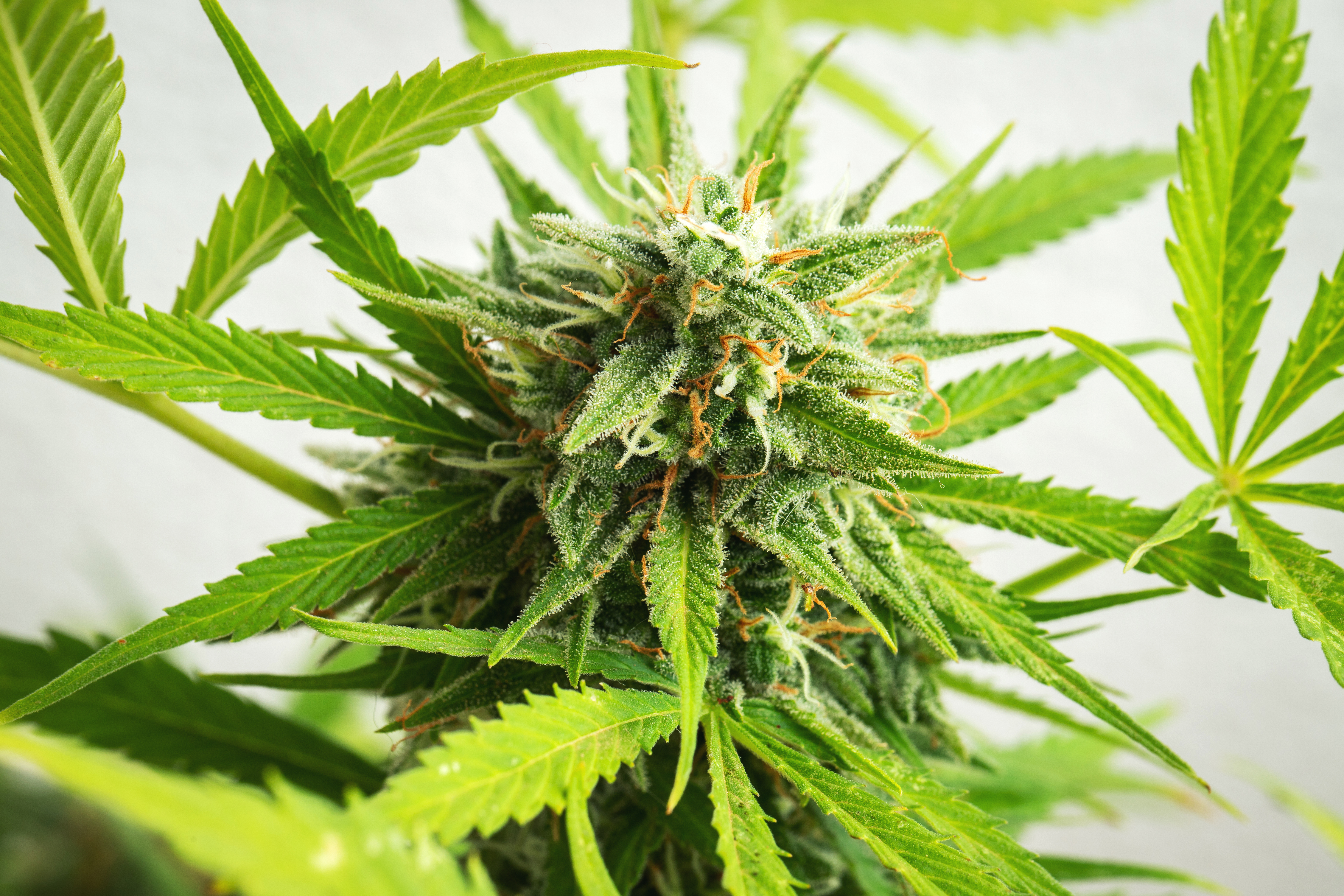


Mimosa is a well-known cannabis strain that many growers choose for its strong growth, citrus-like smell, and colorful flowers. It is often linked to a cross between Clementine and Purple Punch. This mix may give the plant a bright aroma, heavy resin cover, and a balanced growth pattern. However, getting good results depends on more than choosing healthy seeds. Growers must also understand the Mimosa strain flowering time and how the plant changes during each stage.
Flowering time is the period when a cannabis plant forms and develops its buds. This stage begins after vegetative growth ends. During the vegetative stage, the plant focuses on producing roots, stems, branches, and leaves. Once flowering starts, much of the plant’s energy moves toward bud production. The flowers slowly become larger, denser, and richer in resin as harvest gets closer.
The original photoperiod Mimosa strain often needs about 9 to 10 weeks of flowering. Some plants may finish in around 60 days, while others may need a little longer. This means growers should not expect every Mimosa plant to follow the same exact schedule. Seed source, plant type, phenotype, growing method, and environmental conditions can all affect the final harvest date.
A phenotype is the set of features shown by one plant. Two plants grown from seeds in the same package may still develop in different ways. One may grow taller, finish faster, or produce denser flowers. Another may take more time or show a different color and aroma. These natural differences are one reason flowering time should be treated as an estimate rather than a fixed rule.
Indoor growers have more control over when the flowering stage begins. A photoperiod Mimosa plant usually starts flowering after the light schedule changes to 12 hours of light and 12 hours of darkness each day. The plant may not show flowers on the first day of this change. It may take several days or more before clear pistils and early bud sites appear. Growers should record the date of the light change, but they should also watch the plant’s actual response.
Outdoor plants follow natural daylight. They usually begin flowering as the days become shorter later in the growing season. The exact timing may change based on location, weather, and the number of daylight hours. A plant grown in one region may start and finish flowering earlier than the same strain grown in another region. Outdoor growers must also plan for rain, cold nights, high humidity, strong winds, and possible frost near harvest.
Knowing the expected flowering time helps growers plan the whole crop. It helps them decide when to change the indoor light schedule, when to adjust nutrients, and when to reduce humidity. It also gives them time to prepare plant supports before the flowers become heavy. Growers can plan drying and curing space before harvest instead of waiting until the plants are ready to cut.
Flowering time also affects height control. Mimosa plants may stretch during the first part of flowering. Stretch means that the stems and branches grow quickly after the light schedule changes. A plant that looks small at the end of the vegetative stage may become much taller during the next few weeks. Growers with limited ceiling space may need to start flowering sooner. Training methods, such as low-stress training or using a trellis, may help spread the branches and keep the canopy more even.
The flowering stage also requires close control of temperature, humidity, light, water, and airflow. Poor conditions can slow development or increase the risk of problems. High humidity around thick flowers may support mold growth. Too much heat may cause stress and may reduce the quality of the plant’s aroma. Weak airflow may leave damp areas inside the canopy. Overwatering may reduce oxygen around the roots and slow growth.
Nutrition must also change as flowering continues. During vegetative growth, cannabis plants often use more nitrogen to support leaves and stems. During flowering, they still need nitrogen, but too much may cause problems. The plant also needs other nutrients to support flower development. Feeding should remain balanced. Adding a larger amount of fertilizer does not always lead to larger buds. Too much fertilizer may damage the roots, burn leaf tips, and delay healthy growth.
A breeder’s flowering estimate is useful, but it should not be the only guide used to choose a harvest date. Growers should also inspect the flowers. Important signs include swollen calyxes, changes in pistil color, reduced new flower growth, and mature trichomes. Trichomes are the small resin glands found on the flowers and nearby leaves. They can be viewed with a magnifying tool. Their color and condition may help show whether the plant is still developing or moving closer to harvest.
It is also important to confirm which Mimosa strain is being grown. The name Mimosa may appear on several products, including photoperiod strains, autoflowering strains, and related crosses. An autoflowering Mimosa may follow a very different schedule because it begins flowering based mainly on age instead of a change in daylight. Mimosa EVO and other Mimosa crosses may also have different flowering periods. Growers should read the breeder’s details and seed label before making a calendar.
The full grow time is longer than the flowering period alone. A complete schedule may include germination, seedling growth, vegetative growth, flowering, drying, and curing. A plant with a 9-week flowering time does not go from seed to finished product in 9 weeks. The vegetative stage may add several more weeks, depending on plant size, growing space, and the method used.
This guide explains the main stages of Mimosa flowering and the factors that may change the timeline. It covers indoor and outdoor schedules, weekly flower development, climate control, nutrition, training, harvest signs, and common delays. Growers should use the suggested time range as a planning tool while allowing the plant’s condition to guide final choices.
Cannabis cultivation laws differ by country, state, and local area. Growers should understand and follow all laws that apply to their location before starting a crop. Careful planning, steady conditions, and regular plant checks may help growers manage Mimosa flowering time more accurately and prepare for a healthy harvest.
Mimosa Genetics and the Type of Plant Being Grown
Understanding the genetics of Mimosa is important before planning its flowering time. Several cannabis strains use the name Mimosa, but they may not grow or finish at the same speed. Some are photoperiod plants, while others are autoflowering plants. There are also related strains with names such as Mimosa EVO and Mimosa Orange Punch. Each one may have a different growth pattern, flowering period, plant size, and harvest date.
Growers should always check the breeder’s label or seed description before starting a grow. The name alone may not provide enough information. Knowing the exact type of Mimosa helps growers choose the right light schedule and estimate when flowering will begin. It also helps prevent mistakes that may slow growth or reduce the final harvest.
The Original Mimosa Strain
The original Mimosa strain is commonly linked to Symbiotic Genetics. It was created by crossing Clementine with Purple Punch. Clementine is known for strong citrus aromas and active growth. Purple Punch is known for sweet fruit notes, dense flowers, and colorful traits. The combination produced a hybrid that may show both uplifting and relaxing qualities, depending on the plant and how it is grown.
The original Mimosa is a photoperiod cannabis strain. This means the plant uses changes in the daily light cycle to decide when to flower. During the vegetative stage, indoor growers often provide long periods of light each day. This allows the plant to focus on producing roots, stems, branches, and leaves.
When the grower is ready to begin flowering, the light schedule is usually changed to 12 hours of light and 12 hours of complete darkness each day. This change tells the plant that the season is moving toward autumn. The plant then begins its flowering transition.
The flowering period does not always begin on the exact day that the light schedule changes. Mimosa may need several days to respond. During this time, the plant may grow taller and begin forming early flower sites. White pistils may appear near the branches and nodes. These signs show that the plant has entered the early flowering stage.
The original Mimosa often needs around 9 to 10 weeks of flowering. Some plants may finish in about 60 days, while others may need more time. The exact result depends on the phenotype, the growing environment, and the plant’s health. A phenotype is the visible form of a plant that develops from its genetics. Seeds from the same strain may produce plants with small differences in height, smell, color, stretch, and flowering speed.
Because Mimosa is a photoperiod plant, the grower controls when flowering begins indoors. A grower may keep the plant in the vegetative stage for a short or long period. A longer vegetative stage may produce a larger plant, but it also increases the total time from seed to harvest. A shorter vegetative stage may help control height in a small grow space.
Outdoor Mimosa plants begin flowering in response to natural changes in daylight. As summer ends and nights become longer, the plant receives the signal to flower. The start date may vary based on latitude, weather, and local daylight hours. This is why outdoor flowering dates are less exact than indoor schedules.
Mimosa Variants and Related Cultivars
Many strains include the word Mimosa in their name. These plants may share similar citrus aromas or genetics, but they should not be treated as the same cultivar. Their flowering times and care needs may be different.
Mimosa EVO is one example. It is a related strain that may grow larger and may have a different flowering period than the original Mimosa. Some growers may see the name Mimosa EVO and assume it will follow the same schedule as standard Mimosa. This can lead to poor planning, especially when the grow area has limited height or when the harvest date is important.
Mimosa Orange Punch is another related cultivar. It may include Mimosa genetics, but its growth traits come from a different genetic combination. It may show differences in plant shape, flower structure, aroma, and finish time. Growers should use the breeder’s information for this exact strain rather than relying on details about the original Mimosa.
Autoflowering versions are also sold under names such as Mimosa Auto or Mimosa Automatic. These plants do not need a 12/12 light schedule to start flowering. They begin flowering based mainly on age. Many autoflowering plants start to bloom a few weeks after germination, even when they receive long hours of light each day.
This difference is very important. Changing an autoflower to a 12/12 schedule is usually not needed. It may also reduce the total amount of light the plant receives. Less daily light may limit growth and lower the final yield. Photoperiod Mimosa plants, however, may remain in the vegetative stage until the light schedule changes or outdoor nights become long enough.
Autoflowering Mimosa strains often have a shorter total life cycle than photoperiod plants. However, their seed-to-harvest time should not be confused with flowering time. A seed seller may list an autoflower as finishing in 10 or 11 weeks, but this may refer to the full life cycle from germination to harvest. A photoperiod breeder may list 9 or 10 weeks, but this often refers only to the flowering stage.
Growers should also check whether the seeds are regular, feminized, or autoflowering. Regular seeds may produce male or female plants. Feminized seeds are bred to produce female plants in most cases. Autoflowering seeds contain genetics that allow the plant to flower according to age. These labels describe different features, so a strain can be both feminized and autoflowering.
The seed package should provide the breeder’s name, strain type, expected flowering time, and other useful details. Growers should keep this label throughout the grow. It may help when tracking plant development and comparing actual results with the breeder’s estimate.
The original Mimosa is generally a photoperiod hybrid created from Clementine and Purple Punch. Indoor plants usually begin flowering after the light schedule changes to 12 hours of light and 12 hours of darkness. The flowering stage often lasts about 9 to 10 weeks, although some plants may finish earlier or later.
Not every strain with Mimosa in its name follows the same schedule. Mimosa EVO, Mimosa Orange Punch, and Mimosa autoflower varieties may have different growth traits and harvest times. Growers should confirm the breeder, seed type, and exact cultivar before planning the flowering calendar. This simple step makes it easier to choose the correct light schedule, manage plant size, and estimate the harvest date.
How Long Does Mimosa Strain Take to Flower?
Mimosa is usually described as a medium-length flowering cannabis strain. Most photoperiod versions need about 9 to 10 weeks to finish flowering. Some plants may be ready in about 60 days, while others may need 70 days or slightly longer. This means growers should treat the stated flowering time as an estimate rather than a fixed harvest date.
The exact Mimosa strain flowering time depends on several factors. Genetics, plant health, light levels, temperature, humidity, root conditions, and stress can all affect how quickly the flowers develop. Two Mimosa plants grown in the same room may not finish on the same day. One plant may mature earlier, while another may continue forming new flowers for an extra week.
It is also important to make sure the plant is the original photoperiod Mimosa strain. Autoflowering Mimosa varieties follow a different growth schedule. Related strains, such as Mimosa EVO or other Mimosa crosses, may also have different flowering times. Growers should always check the information supplied by the breeder or seed seller before creating a grow calendar.
Standard Mimosa Flowering Estimate
The standard Mimosa flowering time is about 9 to 10 weeks after the flowering stage begins. Many strain guides also describe the flowering period as around 60 to 70 days. These ranges are close, but they are not exactly the same. Nine weeks equals 63 days, while 10 weeks equals 70 days.
Some Mimosa plants may appear ready near the end of week eight or the start of week nine. However, other plants may need the full 10 weeks. A slower phenotype may even require a little more time. Harvesting too early may result in smaller flowers that have not reached full maturity.
Indoor growers often begin counting flowering time when they change the light schedule to 12 hours of light and 12 hours of darkness. However, the plant may not start producing clear flowers on the same day as the schedule change. Mimosa may spend several days adjusting to the new light cycle.
During this early transition period, the plant may continue growing taller. Small white pistils may then begin to appear at the nodes and branch tips. This is a sign that flowering has started. Some growers count from the day of the light change, while others count from the day when clear flower formation begins. This difference can explain why flowering estimates vary between growers.
Outdoor plants follow a natural light cycle. They begin flowering when the days become shorter and the nights become longer. Because the change happens slowly, it may be harder to choose one exact day as the start of flowering. Outdoor growers often track the first clear signs of flower formation and use them to estimate the remaining time.
The listed flowering period does not include the vegetative stage. It also does not include germination, seedling growth, drying, or curing. A Mimosa plant may flower for only 9 to 10 weeks, but the full growing process can take several months.
Why Mimosa Finish Times Vary
Genetics are one of the main reasons why Mimosa plants finish at different times. Seeds from the same strain can produce plants with slightly different traits. These differences are known as phenotype variation. One Mimosa phenotype may grow taller and take longer to mature. Another may stay shorter and finish earlier.
Clones are usually more consistent because they come from the same parent plant. Even so, clones may still finish at different times when they are grown in different conditions. A healthy clone under stable conditions may develop faster than one dealing with heat, weak lighting, or root stress.
Plant health has a strong effect on flowering speed. A Mimosa plant that enters flowering in good condition is more likely to develop at a steady rate. A weak plant may take longer to adjust to the flowering stage. Damaged roots, pest problems, or poor leaf health may slow flower production.
Light strength can also change the flowering process. A plant needs enough light to support healthy flower development. Light that is too weak may lead to slow growth and loose flowers. Light that is too strong or too close may cause heat stress, leaf damage, or bleaching. These problems can delay maturity instead of speeding it up.
Temperature is another key factor. Very high temperatures may cause stress and increase water loss. Very low temperatures may slow plant growth and root activity. Mimosa usually develops more evenly when the growing area remains stable. Large changes between day and night temperatures may place extra stress on the plant.
Humidity becomes more important as flowers get larger and denser. Excess moisture in the air can increase the risk of mold. Very dry air may also place stress on the plant. Stable conditions support a more predictable flowering schedule.
Root space and watering habits can affect how quickly Mimosa flowers mature. A root-bound plant may have trouble taking in enough water and nutrients. Constantly wet soil may reduce oxygen around the roots. Severe dryness can also slow growth. Healthy roots help the plant maintain steady flower development.
Nutrient problems may cause delays as well. Too much nitrogen during flowering may keep the plant focused on leaf growth. Nutrient buildup can damage the roots and leaf tips. A lack of key nutrients may cause pale leaves, weak growth, or early leaf loss. Sudden changes to the feeding plan may create more stress.
Stress is one of the most common causes of an uneven flowering period. Light leaks during the dark period may confuse a photoperiod plant. Heavy pruning, broken branches, transplant shock, pests, disease, and major environmental changes may also slow progress.
Growers should avoid making several major changes at the same time. When too many parts of the environment are changed, it becomes harder to identify the real problem. Small and careful adjustments are usually easier for the plant to handle.
Why the Calendar Is Only a Guide
A grow calendar is useful because it helps growers plan the different stages of flowering. However, it should not be the only method used to choose the harvest date. A plant does not automatically become ready because it has reached day 63 or day 70.
Mimosa flowers may mature at different speeds across the plant. Flowers near the top often receive more light and may ripen before lower flowers. Some branches may still be developing while others appear close to harvest.
Visible signs should be checked along with the calendar. Mature flowers often become fuller and denser. The calyxes may swell, and many pistils may darken and curl inward. Resin glands, known as trichomes, also change as the plant matures.
Trichomes are best viewed with magnification because they are very small. Clear trichomes often suggest that the flowers are still developing. Cloudy trichomes usually show that maturity is getting closer. Some amber trichomes may appear as the plant continues to ripen.
Pistil color should not be used as the only harvest test. Pistils may change because of heat, physical contact, pollination, or stress. The full flower structure, trichome condition, and general plant health should all be considered.
Growers should also remember that new white pistils near the end of flowering do not always mean the whole plant is immature. Some Mimosa plants continue producing small amounts of new growth late in the cycle. The older flower tissue may already be mature.
The usual Mimosa strain flowering time is about 9 to 10 weeks, or around 60 to 70 days. However, this period may be shorter or longer depending on genetics and growing conditions. Phenotype variation, plant health, lighting, temperature, humidity, root space, watering, nutrients, and stress can all change the final harvest date.
The flowering calendar should be used as a planning tool, not as a strict deadline. Growers should also inspect the flowers, calyxes, pistils, and trichomes before deciding that the plant is ready. Combining the estimated flowering time with clear maturity signs provides a more accurate way to judge when Mimosa has finished flowering.
Mimosa’s Complete Timeline from Seed to Harvest
Understanding the full Mimosa growing timeline helps growers plan their space, supplies, and harvest date. The flowering stage may last about 9 to 10 weeks, but this does not represent the plant’s total growth time. Mimosa must first pass through germination, seedling growth, and the vegetative stage. After harvest, the flowers also need time to dry and cure.
The total timeline can vary from one plant to another. Genetics, growing conditions, container size, light strength, and plant health can all affect how fast Mimosa develops. Indoor growers have more control over the schedule because they can decide when to change the light cycle. Outdoor growers must depend more on the seasons and natural daylight.
Germination and Seedling Stage
The growing process begins with germination. During this stage, the seed absorbs moisture and starts to open. A small white root, often called a taproot, comes out first. This root grows downward and helps anchor the young plant. The first stem then moves upward toward the light.
Germination often takes a few days, but some seeds may need more time. Temperature, moisture, seed age, and seed quality can affect the process. The seed should remain moist, but it should not sit in standing water. Too much water may reduce oxygen around the seed and increase the risk of rot.
Once the seed has opened and formed a root, it can be placed in its growing medium. The young seedling soon develops two small, rounded leaves. These are known as cotyledons. They provide stored energy while the plant begins producing its first true leaves.
The seedling stage usually lasts about two to three weeks. During this period, the Mimosa plant is small and sensitive. Its root system is still developing, so it cannot use large amounts of water or nutrients. Heavy feeding during this stage may burn the roots or damage the leaves.
Young plants also need gentle but steady light. Weak light may cause the stem to become long and thin as it reaches toward the light source. Light that is too strong may bleach or dry the leaves. The goal is to provide enough light for compact growth without causing stress.
A healthy Mimosa seedling should develop new leaves at a steady rate. The stem should become stronger, and the roots should spread through the growing medium. If the plant suffers from overwatering, poor lighting, low temperatures, or root damage, it may need extra time before it is ready for vegetative growth.
The seedling stage should not be rushed. A strong early root system helps the plant absorb water and nutrients later. Healthy seedlings usually handle training, transplanting, and flowering more easily than weak ones.
Vegetative Growth
The vegetative stage begins when Mimosa starts producing faster leaf, stem, and root growth. During this period, the plant builds the structure that will later support its flowers. The length of the vegetative stage has a major effect on the total growing time and final plant size.
Indoor growers can often choose how long Mimosa remains in vegetative growth. A short vegetative period may be useful in a small tent or low room. It may also help when several plants must share the same canopy. A longer vegetative period allows the plant to form more branches and flowering sites, but it also increases its height and width.
Many indoor growers keep photoperiod plants in the vegetative stage for four to eight weeks. However, this is only a general range. Some plants may be switched earlier, while others may need more time. The decision should be based on plant health, available space, training progress, and root development.
Mimosa should appear healthy before it enters flowering. The leaves should have steady color, the stems should be strong, and new growth should not appear twisted or damaged. Serious pest problems, nutrient issues, or root stress should be managed before the light cycle changes.
Training usually takes place during the vegetative stage. Growers may gently bend branches, top the plant, or spread the canopy. These methods can help light reach more growth sites. They can also control height before the plant begins its flowering stretch.
The container size can also affect vegetative growth. A plant in a small container may become root-bound and stop growing at a normal rate. A larger root area can support more plant growth, but it may also require more space, water, and time. Transplanting should be completed early enough for the roots to recover before flowering begins.
Outdoor Mimosa plants often remain in vegetative growth much longer than indoor plants. Seeds or young plants may begin growing during spring and continue through much of summer. Flowering begins when the days become shorter. This means an outdoor grow may take several months from seed to harvest.
Flowering and Harvest Preparation
Indoor Mimosa plants begin flowering after the light schedule is changed to about 12 hours of light and 12 hours of darkness each day. The plant may not form clear flowers at once. It first enters a transition period that can last one to two weeks.
During this transition, Mimosa may grow quickly and increase in height. Small pistils begin to appear at the branch nodes. These early signs show that the plant is responding to the shorter light schedule.
The main flowering period usually lasts about 9 to 10 weeks, although some plants may finish sooner or later. Growers should not count only from the day the light schedule changes. The plant’s actual development should also be observed.
During the first part of flowering, branches stretch and flower sites begin forming. In the middle weeks, the flowers grow larger and produce more resin. During the final weeks, the calyxes swell, many pistils darken, and the trichomes begin reaching maturity.
A delayed Mimosa plant may need extra time. Heat stress, cold conditions, weak light, root problems, nutrient damage, pests, or light leaks can slow flower development. Different phenotypes may also finish at different times, even when they come from seeds with the same strain name.
The full seed-to-harvest timeline may be around four to five months for many indoor grows. This estimate may include a few days for germination, two to three weeks for seedling growth, four to eight weeks of vegetative growth, and 9 to 10 weeks of flowering. A longer vegetative stage will increase the total time.
Harvest is not the final step. Freshly cut Mimosa flowers contain a large amount of moisture and must be dried under controlled conditions. Drying often takes about one to two weeks, depending on flower size, airflow, temperature, and humidity.
After drying, the flowers are usually placed in containers for curing. Curing allows moisture to spread more evenly through the flowers and supports the development of a smoother aroma and texture. This stage may last several weeks or longer.
Mimosa’s 9-to-10-week flowering period is only one part of its full timeline. The plant must first complete germination, seedling growth, and vegetative development. Indoor growers can shorten or extend the vegetative stage, while outdoor plants follow natural daylight and seasonal changes.
A common indoor grow may take about four to five months from seed to harvest. Drying and curing add more time after the plant is cut. Growers should base their schedule on plant health and visible development instead of relying only on fixed dates. Careful planning during each stage can help Mimosa enter flowering with strong roots, healthy branches, and enough structure to support mature flowers.
When and How to Start Flowering Mimosa Indoors
Starting the flowering stage at the right time is an important part of growing Mimosa indoors. Mimosa is usually grown as a photoperiod plant. This means it starts flowering after the grower changes the light schedule. The plant does not begin flowering based only on its age. It responds to longer periods of darkness.
Most indoor growers use a light schedule of 18 hours of light and 6 hours of darkness during the vegetative stage. When the plant is large enough, healthy enough, and ready to form buds, the schedule is changed to 12 hours of light and 12 hours of darkness. This change is often called “flipping” the plant into flower.
The best time to make this change depends on the size of the growing area, the health of the plant, and the amount of stretch expected during early flowering. Mimosa may grow much taller during the first few weeks after the light schedule changes. Growers need to plan for this increase before flowering begins.
Changing the Light Schedule
Indoor Mimosa plants normally begin the flowering process after the light schedule changes to 12 hours of light and 12 hours of darkness each day. The dark period must be complete and regular. Even small amounts of light during the dark period may confuse the plant.
Grow lights should turn on and off at the same time every day. A reliable timer can help keep the schedule steady. For example, the lights may turn on at 7:00 in the morning and turn off at 7:00 in the evening. Another grower may choose to run the lights at night to reduce cooling costs. Either plan may work as long as the timing stays consistent.
The dark period should not be interrupted. Growers should avoid opening the tent or grow room when the lights are off. Light from a hallway, phone, window, or nearby room may enter the space. Small lights from heaters, fans, power strips, or other equipment may also cause problems. These lights should be covered if they are bright enough to reach the plants.
Light leaks may delay flowering or lead to uneven flower development. In some cases, stress from an unstable light cycle may cause the plant to produce unwanted male flowers. This may lead to pollination and seed production. Checking the grow area for light leaks before changing the schedule can help prevent these problems.
After the switch to 12/12, Mimosa may not show flowers right away. The plant usually enters a transition period first. During this time, it begins to respond to the longer nights. Early flower signs may appear within one to two weeks, although the exact timing may differ between plants.
Choosing the Right Time to Flip
The right time to begin flowering depends on more than the age of the plant. Growers should first look at the plant’s height, width, root health, branch structure, and overall condition.
Indoor space is one of the most important limits. Mimosa may stretch during the first two or three weeks of flowering. Some plants may become much taller than they were during the vegetative stage. A plant that is already close to the grow light before flowering may become too tall after the stretch begins.
Growers should measure the space between the plant canopy and the light. They should also consider the safe distance required between the light and the top of the plant. Strong lights may cause heat stress, leaf bleaching, or dry flower tips if the branches grow too close.
In a small tent, it may be better to begin flowering when the plants are still fairly short. A grower using low-stress training or a trellis may wait until most of the growing area is covered by branches. However, the canopy should not be completely crowded before the flowering stretch begins.
The width of the plant also matters. Mimosa may form many side branches, especially after topping or training. These branches need enough room to spread without pressing against nearby plants or tent walls. Crowded branches may block light and reduce airflow.
Root development should also be checked before the flip. Plants that have recently been transplanted may need time to settle into the new container. A plant with weak roots may struggle during the fast growth of early flowering. It is often better to wait until the plant is growing well again before changing the light schedule.
Plant health is another key factor. Yellow leaves, pest damage, nutrient problems, overwatering, or strong heat stress should be corrected before flowering starts. Problems may become harder to fix once flower production begins. A healthy plant is more likely to handle the stretch and support steady bud development.
Growers do not need to wait for the plant to reach a certain age. A shorter vegetative period may be used when the grow room has limited height or when many plants share the same area. A longer vegetative period may be used when fewer plants need to fill a larger space.
Planning for the Flowering Stretch
The flowering stretch is the rapid increase in height and branch length that happens after the light schedule changes. Mimosa may continue stretching for about two to three weeks. The amount of stretch may depend on genetics, light strength, plant health, container size, and training methods.
Growers should leave enough empty space above the canopy before flowering begins. Waiting until the branches are almost touching the light may create serious height problems later. Once flower clusters become larger, bending or cutting tall branches may damage the plant.
Training before the flip can help control height. Low-stress training allows the main branches to spread outward instead of growing straight up. Topping may also produce several main branches rather than one tall central stem. A trellis net can help hold branches in place and create a more even canopy.
Gentle training may continue during the first part of the stretch. Branches can be moved into open sections of the trellis to improve light coverage. Strong bending should be avoided once the stems become stiff or the flowers begin forming.
Light distance should be checked often during the stretch. Fast-growing branches may move several inches closer to the light in a short period. Raising the light or lowering the plant platform may prevent heat stress. Airflow should also be adjusted as the canopy becomes thicker.
Recognizing the Start of Flowering
The start of flowering is shown by several visible changes. One of the first signs is faster vertical growth. The main stem and side branches may become longer, and the spaces between the nodes may increase.
Small preflowers may appear where branches meet the main stem. Female plants usually form small tear-shaped structures with thin white hairs called pistils. These pistils are early signs that flower production has started.
More white pistils will appear at the tips of branches and at the nodes. Small groups of new leaves and pistils will begin forming early bud sites. These sites may look small at first, but they will become larger during the following weeks.
The plant may also begin using water more quickly because of its rapid growth. Growers should check the growing medium often but should not water on a fixed schedule without checking moisture levels. Overwatering may still occur during flowering.
Changes in branch spacing may also become clear. New growth may look thinner and more flexible during the stretch. This is a good time to guide branches into open areas and make sure each main flowering site receives enough light.
Growers should not count the plant as fully flowering the moment the timer changes. Some growers begin counting flowering days from the light-cycle switch, while others begin when the first clear flower clusters appear. Either method may be used, but records should clearly show how the dates were counted.
Mimosa usually begins flowering indoors after the light schedule changes to 12 hours of light and 12 hours of darkness. The dark period must stay complete and regular because light leaks may delay flowering or stress the plant.
The best time to flip depends on the available height, canopy width, root health, training progress, and overall plant condition. Growers should leave enough room for the flowering stretch, which often continues for the first two or three weeks.
Healthy roots, steady growth, and a well-shaped canopy can help the plant enter flowering with less stress. Early signs of flowering include rapid vertical growth, white pistils, longer branches, and the formation of small bud sites. Careful timing and close observation can help growers control plant size and prepare Mimosa for strong flower development.
Mimosa Flowering Stages Week by Week
The Mimosa strain usually needs about nine to ten weeks to finish flowering. However, the exact time can change based on the plant’s genetics, health, environment, and growing method. Some plants may finish a little earlier, while others may need more time. Growers should use the weekly schedule as a guide rather than a fixed deadline.
During flowering, Mimosa changes from a leafy plant into a plant that focuses most of its energy on flower growth. Each stage has different needs. Light, airflow, watering, temperature, and humidity should be watched closely throughout the process. Sudden changes can cause stress and slow development.
Weeks 1–2: Transition and Stretch
The first two weeks begin after an indoor photoperiod plant is moved to a 12-hour light and 12-hour dark schedule. Outdoor plants enter this stage when the days become shorter. Mimosa may not begin forming clear flowers right away. It first goes through a transition period.
During this stage, the plant may grow taller very quickly. This rapid growth is often called the flowering stretch. Main stems and side branches may become longer as the plant prepares to support new flower sites. The spaces between branches may also become wider.
Growers should watch the height of the plant during this time. Mimosa can become difficult to manage if it grows too close to the light. Branches may be gently moved, tied, or guided through a trellis. Strong bending or heavy pruning should be avoided if the plant already shows signs of stress.
Small white hairs may begin to appear where branches meet the main stems. These hairs are called pistils. They are an early sign that female flowers are beginning to form. At first, the flower sites may look small and thin. They will become easier to see as the plant moves into the next stage.
The plant still needs enough nitrogen during the transition because it is producing new leaves and stems. However, too much nitrogen may lead to very dark leaves, weak flower growth, or burnt leaf tips. Nutrition should be adjusted slowly instead of changed all at once.
Airflow is also important during the stretch. New branches can create a crowded canopy. Gentle air movement helps reduce moisture around the leaves and strengthens the stems. Fans should move air across the growing area without blowing too hard on one part of the plant.
Weeks 3–4: Flower Formation
During weeks three and four, the stretch usually starts to slow. Mimosa begins to focus more energy on building flowers. Small groups of pistils may gather at the ends of branches and along the main stems. These groups will slowly grow into larger flower clusters.
This is an important stage for canopy care. Flower sites need access to light and moving air. Leaves that are badly damaged or blocking crowded areas may be removed with care. However, removing too many leaves can reduce the plant’s ability to make energy.
Lower branches should also be checked. Weak growth that receives very little light may produce small and loose flowers. Some growers remove this lower growth before or during the early flowering stage. Major pruning should not be done late because the plant needs time to recover.
Mimosa may begin to produce a stronger smell during weeks three and four. The aroma may have citrus, fruit, sweet, or earthy notes. Indoor growers may need an odor-control system, especially when several plants are flowering in one room.
Humidity should begin to decrease as the flowers grow. Thick plant growth can trap moisture, which may raise the risk of mold. Good ventilation helps move warm and damp air out of the room. Fresh air should enter the space on a regular basis.
Water use may also increase because the plant is still large and active. Growers should check the moisture level of the growing medium before watering. A fixed watering schedule may not work because the plant’s needs can change with temperature, container size, and growth rate.
Weeks 5–7: Bud Expansion and Resin Production
Weeks five through seven are often the main flower-building stage. Mimosa flowers may become thicker, denser, and more connected. Small flower sites begin to form larger clusters along the branches.
The plant may also start producing more trichomes. Trichomes are the tiny resin glands that cover the flowers and nearby leaves. They can give the plant a frosty or shiny look. Trichome production often increases as the plant moves closer to maturity.
The smell may become much stronger during this period. Growers should make sure that ventilation and odor-control equipment are working correctly. Filters and fans should be checked because weak airflow can allow heat and moisture to build around the flowers.
Humidity control becomes more important as the flowers become dense. Water can become trapped between flower parts or leaves. This creates conditions where mold and bud rot may develop. The growing space should remain clean, and dead leaves should be removed before they collect moisture.
Branches may begin to bend under the weight of the developing flowers. Stakes, plant ties, or a trellis can provide support. Support should be added before branches break. Ties should not be placed too tightly because stems will continue to grow wider.
Growers should inspect the flowers often, but they should avoid touching them without a reason. Too much handling can damage trichomes or spread pests and mold. Leaves should be checked for spots, webbing, insects, discoloration, or other signs of trouble.
Nutrient problems may also become easier to see at this stage. Burnt leaf tips may point to excess nutrients, while pale leaves may have several possible causes. Growers should check pH, watering habits, and root health before adding more fertilizer. Guessing can make the problem worse.
Weeks 8–10: Ripening
During the final weeks, Mimosa enters the ripening stage. The flowers may become fuller as the calyxes swell. Calyxes are the small parts that make up much of the flower. Swollen calyxes often give mature buds a thicker shape.
Many pistils may change from white to orange, brown, or red. Some pistils may also curl inward. However, pistil color should not be used as the only sign of maturity. Heat, contact, or plant stress can cause pistils to change early.
Trichomes provide a better view of flower maturity. They should be checked with a magnifying tool. Clear trichomes often show that the flowers are still developing. Cloudy or milky trichomes usually become more common as the plant matures. Amber trichomes may appear later.
Growers should inspect flowers from different parts of the plant. The top flowers may mature faster because they receive stronger light. Lower flowers may need more time. Checking only one flower can lead to an early harvest.
Vertical growth should be very slow or completely stopped by this stage. The plant may also drink less water than it did during the middle weeks. Watering should be adjusted carefully so the root zone does not remain wet for too long.
Some larger leaves may fade near the end of flowering. A small amount of natural fading can happen as the plant ages. However, sudden yellowing, brown patches, or severe leaf damage may point to a root, nutrient, pest, or environmental problem.
Not every Mimosa plant will finish exactly at week nine or ten. A slower phenotype, weak lighting, cold temperatures, plant stress, or root problems may delay maturity. The plant should be harvested based on several signs rather than the date alone.
Mimosa normally moves through four main flowering stages over about nine to ten weeks. The first two weeks focus on transition and stretch. Weeks three and four bring clear flower formation. Weeks five through seven are the main period of flower expansion and resin production. Weeks eight through ten focus on ripening and maturity.
Growers should watch plant height, flower growth, humidity, airflow, branch strength, and trichome development throughout the process. The weekly schedule is useful for planning, but the plant’s condition is more important than the calendar. A healthy Mimosa plant may finish close to the expected time, while a stressed plant may need longer to reach full maturity.
Best Temperature, Humidity, Light, and Airflow
A stable growing environment helps Mimosa plants produce healthy flowers during the full flowering period. Temperature, humidity, lighting, and airflow all work together. A problem in one area may affect the other areas. For example, high heat may cause the plant to drink water faster. High humidity may then collect around the thick flowers and increase the risk of mold.
Growers should check the environment every day instead of waiting for the plant to show serious stress. A digital thermometer and humidity meter can help track conditions. It is also useful to measure the environment at canopy height because the temperature near the lights may be different from the temperature near the floor.
Temperature Management
Mimosa plants usually grow best when the flowering room stays warm but not overly hot. During the light period, many growers aim for temperatures between about 68°F and 80°F, or 20°C and 27°C. Slightly cooler temperatures may be used during the dark period. Large and sudden temperature changes should be avoided because they may stress the plant.
High temperatures can create several problems. The leaves may curl upward at the edges, become dry, or develop pale areas. The plant may also drink water much faster than normal. If heat remains too high for a long period, flower growth may slow. Strong heat may also reduce the quality of the plant’s natural aroma because some aromatic compounds are sensitive to high temperatures.
Lighting equipment is often the main source of excess heat in an indoor grow space. Growers may need to increase the distance between the light and the canopy, improve ventilation, or run the lights during the cooler part of the day. Air-conditioning may be needed in warm climates or sealed rooms.
Cold conditions may also slow Mimosa’s flowering progress. Low temperatures can reduce water and nutrient movement through the plant. The roots may become less active, especially when the growing medium stays cold and wet. Leaves may droop or develop unusual colors when cold stress continues.
Night temperatures should not fall sharply below daytime temperatures. A moderate drop is normal, but a large difference may cause condensation to form on leaves and flowers. This moisture may increase the chance of fungal growth. Stable temperatures are usually safer than large daily changes.
Humidity During Flowering
Humidity describes the amount of moisture in the air. Mimosa plants need some humidity, but the preferred level normally becomes lower as the flowers grow larger and denser.
During the first weeks of flowering, humidity may often remain near 50% to 60%. At this stage, the plant is stretching and forming early flower sites. As the buds become thicker, many growers reduce humidity closer to 40% to 50%. During the final weeks, keeping humidity toward the lower end of this range may help limit mold risk.
High humidity can cause problems because thick flowers may hold moisture between their inner layers. The outside of a bud may look normal while mold grows inside it. This is one reason growers should inspect flowers closely, especially after watering or during periods of rainy weather.
Signs of excess humidity may include water collecting on surfaces, a damp smell, slow drying of the growing medium, or moisture on leaves when the lights turn on. A dehumidifier may be needed when normal ventilation cannot remove enough moisture.
Humidity that is too low may also create stress. The plant may lose water through its leaves too quickly. Leaf tips may become dry, and the plant may need water more often. Very dry air combined with strong heat may place extra pressure on the roots.
Growers should avoid changing humidity too quickly. Gradual changes give the plant time to adjust. Humidity readings should also be checked at different times because levels often rise after watering and during the dark period.
Lighting and Canopy Distance
Mimosa needs enough light to support flower growth, but stronger light is not always better. Light that is too intense may bleach the upper flowers, burn leaves, or cause heat stress. Light that is too weak may lead to small, loose flowers and uneven development.
The correct light distance depends on the type of fixture, its power, and the size of the growing space. LED lights often produce less direct heat than older lighting systems, but strong LED fixtures may still cause light stress. Growers should follow the manufacturer’s distance guide and then watch how the plants respond.
When the light is too close, upper leaves may turn pale, curl upward, or develop dry areas. The highest flower sites may lose color. When the light is too far away, branches may stretch toward the fixture, and flower growth may remain thin.
A level canopy helps the plant use light more evenly. If one branch grows much taller than the others, it may receive too much light while the lower branches receive too little. Plant ties, gentle branch positioning, or a trellis net may help keep the canopy at a similar height.
The flowering light schedule must also remain consistent. Photoperiod Mimosa plants are commonly given 12 hours of light and 12 hours of darkness. The dark period should not be interrupted by light leaks. Even a small amount of repeated light during the dark period may confuse the plant, delay flowering, or cause stress.
Timers should be checked often to make sure they are working correctly. Growers should also inspect the room for light entering through doors, vents, windows, or equipment displays.
Air Circulation and Ventilation
Air circulation and ventilation are related, but they serve different purposes. Circulation moves air inside the grow space. Ventilation removes warm, humid, or stale air and replaces it with fresher air.
Small fans may be used to create gentle movement around and beneath the Mimosa canopy. Leaves should move slightly, but they should not be pushed hard in one direction. A strong fan aimed at one branch for many hours may cause dry leaves or wind damage.
Air should move above, through, and below the canopy. Thick groups of leaves may trap warm, wet air near the flowers. Gentle circulation helps reduce these damp areas and supports more even temperature and humidity levels.
An exhaust fan may help remove heat and moisture from the room. Fresh air should enter the space as old air leaves. The size and speed of the exhaust system should match the grow area and the amount of heat created by the lights.
Poor ventilation may lead to high temperatures, high humidity, weak stems, and stale air. It may also make pest and mold problems harder to control. Filters may be added to the exhaust system when odor control is needed.
Growers should clean fans, vents, and filters on a regular schedule. Dust can reduce airflow and may carry pests or fungal material. Electrical cords should also be kept away from standing water and wet surfaces.
Mimosa flowering plants perform best in a stable environment. Warm but controlled temperatures support steady growth, while excessive heat or cold may slow flower development. Humidity should usually be reduced as the flowers become thicker because dense buds can hold moisture and develop mold.
Lighting should be strong enough to support flowering without burning or bleaching the canopy. A consistent 12-hour dark period is also important for photoperiod plants. Gentle air circulation helps prevent damp areas around the flowers, while ventilation removes heat, moisture, and stale air from the grow room.
Daily monitoring is the best way to prevent serious problems. Growers should track temperature and humidity, inspect the leaves and flowers, check light distance, and make sure fans and exhaust systems are working correctly. Small and gradual adjustments are safer than sudden changes. A balanced environment gives Mimosa plants the support they need to complete flowering and reach harvest in healthy condition.
Watering and Nutrient Management During Flowering
Water and nutrients play a major role in Mimosa flower development. During flowering, the plant must support growing buds, healthy leaves, strong stems, and an active root system. Poor watering habits or an unbalanced feeding plan may slow growth and reduce flower quality. Too much care can also cause problems. Giving the plant extra water or nutrients does not always lead to larger buds. It may instead damage the roots or prevent the plant from taking in key minerals.
Growers should watch the plant closely and make changes based on its condition. The growing medium, container size, temperature, humidity, and plant size all affect how often Mimosa needs water and food. A plant growing in soil may require a different plan from one growing in coco coir or another soilless medium. For this reason, growers should avoid using one fixed schedule without checking the plant first.
Changing Nutrient Needs During Flowering
Mimosa has different nutrient needs during flowering than it does during vegetative growth. During the vegetative stage, the plant uses more nitrogen to build leaves, stems, and branches. Nitrogen remains important during flowering, but the plant usually needs less of it as bud production increases.
Too much nitrogen during flowering may keep the leaves very dark green. It may also lead to soft growth, curled leaf tips, or slow flower development. In severe cases, the plant may focus too much energy on leaf growth instead of bud formation. Growers should not remove nitrogen completely, since the plant still needs healthy leaves to produce energy. The goal is to provide enough nitrogen without giving too much.
Phosphorus and potassium are also important during flowering. Phosphorus supports energy movement, root activity, and flower development. Potassium helps control water movement and supports many plant functions. It may also help the plant remain strong during periods of environmental stress.
However, growers should not assume that very high levels of phosphorus or potassium will create much larger flowers. Excess nutrients may build up in the growing medium and damage the roots. This can cause nutrient burn or nutrient lockout. Nutrient lockout happens when nutrients are present but the plant cannot absorb them properly.
A balanced flowering formula is often safer than adding many separate products. Growers should follow the product label, begin with a mild amount, and watch how the plant responds. Some Mimosa plants may handle stronger feeding, while others may show stress at lower levels. Genetics, plant size, light strength, and root health can all affect nutrient use.
Watering Practices During Flowering
Watering should be based on the condition of the growing medium rather than a strict calendar. A plant may need water sooner during warm, dry weather because moisture leaves the pot more quickly. It may need water less often during cool or humid conditions.
One useful method is to check the weight of the container. A wet container feels much heavier than one that is ready for water. Growers can also check the upper part of the growing medium. If the surface is dry but the lower root area is still wet, the plant may not need water yet.
During early flowering, Mimosa may use more water as it stretches and builds new flowering sites. Water use may remain high while the buds gain weight. Near the end of flowering, some plants may drink less as growth slows. Growers should notice these changes rather than continuing to provide the same amount without checking.
Water should reach the full root area. Applying only a small amount to the surface may cause shallow root growth and dry sections inside the container. At the same time, the pot should drain well. Water should not remain around the roots for long periods.
Good drainage allows oxygen to return to the root zone after watering. Roots need oxygen to remain healthy and absorb nutrients. A container with blocked drainage holes or heavy, compact soil may stay wet for too long.
Signs of Overwatering and Underwatering
Overwatering often happens because the plant is watered too often, not because it receives too much water in one session. When the growing medium stays wet for a long time, the roots may not receive enough oxygen. This can slow growth and weaken the plant.
An overwatered Mimosa plant may develop heavy, drooping leaves. The stems may still feel firm while the leaves point downward. The growing medium may remain wet for several days. Over time, root problems may cause yellow leaves, weak growth, or nutrient issues.
Underwatering can also make the leaves droop. However, the leaves may look thin, dry, or weak. The container will feel light, and the growing medium may pull away from the sides of the pot. A badly dried root zone may also stop absorbing water evenly. Water may run quickly down the sides instead of soaking into the center.
The best approach is to allow part of the growing medium to dry between watering sessions without letting the entire root zone become extremely dry. This wet-and-dry cycle helps roots receive both moisture and oxygen.
Monitoring pH and Nutrient Problems
Correct pH helps Mimosa absorb the nutrients available in the root zone. The best pH range depends on the growing medium. Soil, coco coir, and hydroponic systems do not always use the same target range.
Growers should check the recommendations for their chosen medium and nutrient products. A pH level that is too high or too low may prevent the plant from absorbing certain nutrients. This may cause leaf symptoms even when the nutrients are already present.
Common signs of nutrient problems include yellowing leaves, brown spots, burnt leaf tips, weak stems, and slow flower growth. Some symptoms may look similar, which makes diagnosis difficult. For example, yellow leaves may result from low nitrogen, incorrect pH, root damage, overwatering, or natural aging late in flowering.
Growers should check the full environment before adding more nutrients. They should review watering frequency, drainage, root-zone pH, temperature, and feeding strength. Adding more fertilizer without identifying the cause may make the problem worse.
Nutrient burn often begins at the tips of the leaves. The tips may turn yellow or brown before the damage moves inward. Dark green leaves and downward-curled tips may also suggest excessive feeding. When these signs appear, growers should reduce feeding strength and allow the plant time to recover.
Salt Buildup in the Growing Medium
Mineral salts from fertilizers may collect in the growing medium over time. This is more common when strong nutrient solutions are used often or when the container does not drain well. Salt buildup may change the root-zone pH and make it harder for the roots to absorb water.
Signs may include burnt leaf tips, slow growth, curling leaves, and nutrient deficiency symptoms. The plant may look thirsty even when the medium is moist because the roots cannot take in water correctly.
Growers can reduce the risk by using reasonable nutrient levels and maintaining good drainage. Measuring the strength of the feed solution may also help growers avoid giving more minerals than the plant can use. Any correction should be gradual. Sudden and extreme changes may place additional stress on a flowering plant.
Late-Flower Feeding and Flushing
During late flowering, Mimosa’s growth begins to slow as the flowers mature. The plant may need less fertilizer than it did during the middle weeks of flowering. Growers should continue to observe leaf color, water use, and flower development.
Some growers reduce nutrient strength near harvest. Others stop feeding and provide only water for a period often called flushing. Flushing practices vary based on the growing medium, fertilizer type, and cultivation system.
Flushing should not be presented as a guaranteed way to improve flavor, smoothness, or flower quality. Final quality also depends on genetics, plant health, harvest timing, drying, and curing. A plant that has been underfed for several weeks cannot always recover simply by changing the watering plan near harvest.
Growers should avoid removing nutrients too early. If Mimosa is still building flowers, an early stop may cause rapid leaf loss and slow development. A better approach is to follow the condition of the plant and the expected harvest window.
Successful watering and nutrient management during Mimosa flowering depends on balance. The plant needs enough water to support growth, but the roots also need oxygen. It needs nutrients for flower development, but excessive feeding may cause burn, salt buildup, and nutrient lockout.
Growers should water according to container weight, root-zone moisture, plant size, and environmental conditions. Feeding should remain balanced and should change as the plant moves from early flowering to final ripening. Nitrogen is still needed, but large amounts may slow flower development. Phosphorus and potassium are important, but using more than the plant can absorb may create root problems.
Regular checks of drainage, pH, leaf condition, and water use can help growers detect problems early. Slow, careful corrections are usually safer than making several major changes at once. When the root zone remains healthy, Mimosa has a better chance of completing its flowering stage on schedule and producing mature, well-developed flowers.
Training Mimosa and Controlling Flowering Stretch
Mimosa plants can grow fast when they receive enough light, water, nutrients, and root space. This strong growth can be useful, but it may also create problems during flowering. Tall branches may reach too close to the grow light. Lower branches may remain shaded, and the center of the plant may become crowded. Training helps control the shape of the plant and creates a more even canopy.
Most major training should take place during the vegetative stage. The plant is usually more flexible and has more time to recover before flowers begin to form. Light training can continue during the first part of flowering, but growers should avoid causing heavy stress after buds start developing.
Training Mimosa Before Flowering
Training before flowering gives the plant a strong structure for supporting future buds. The main goal is to spread the branches across the growing area instead of allowing one central stem to grow much taller than the rest.
Topping is one method used to control vertical growth. It involves removing the tip of the main stem during the vegetative stage. This can encourage the plant to produce two main growing points instead of one. The side branches may also receive more energy and light. Growers should only top a healthy plant that has developed several nodes. A weak, young, or stressed plant may need more time before it is ready for this type of training.
Low-stress training is another common method. It involves gently bending branches outward and holding them in place with soft ties. This helps expose more growing points to direct light. It may also reduce the height of the plant without removing healthy growth.
Branch ties should not cut into the stems. Soft plant wire, fabric ties, or coated garden wire can provide support without causing serious damage. Growers should check the ties often because Mimosa branches may become thicker very quickly. A tie that is safe one week may become too tight later.
A trellis net can also be installed before flowering. The net creates a grid that helps spread branches across the canopy. Each branch can be guided into an open square. This keeps the plant wide and level instead of tall and narrow. The trellis should be placed at a useful height before the flowering stretch begins.
Weak growth near the bottom of the plant may also be removed before flowering. Small branches that receive very little light often produce loose or underdeveloped flowers. Removing some of this growth may help the plant focus on stronger branches near the top. However, growers should avoid removing too much plant material in one session. Large changes can slow growth and increase recovery time.
Managing Stretch After the Light-Cycle Change
Indoor photoperiod Mimosa plants begin flowering after the light schedule is changed to 12 hours of light and 12 hours of darkness. During the first two or three weeks after this change, the plants may continue to grow taller. This period is often called the flowering stretch.
The amount of stretch can vary between plants. Genetics, plant health, container size, light strength, and the length of the vegetative stage can all affect final height. Some Mimosa plants may stretch more than others, even when they come from the same seed pack.
Growers should leave enough space between the canopy and the grow light before changing the light schedule. Waiting until the plants almost reach the light may create problems later. The branches may become too tall, and there may not be enough room to raise the light.
Gentle branch positioning can continue during the early stretch. Tall branches can be bent to the side and attached to the trellis. This allows shorter branches to reach the same height. A level canopy helps more flowers receive similar light levels.
Branches should be moved slowly. Trying to bend a thick stem too far at one time may cause it to split. Growers can make small changes over several days instead of forcing the branch into position at once.
The distance between the light and the canopy should also be checked often. Signs of excessive light may include pale upper leaves, dry leaf edges, upward curling, or bleached flower sites. Weak light can cause long gaps between nodes and thin growth. The correct distance depends on the light type, power, room temperature, and the manufacturer’s instructions.
Once the stretch slows and flower clusters begin to grow, heavy bending should stop. Budding branches become less flexible and easier to damage. At this stage, training should focus more on support and canopy care than major changes in plant shape.
Pruning and Defoliation During Flowering
Pruning and defoliation can improve light access and airflow, but these methods must be used carefully. Leaves support photosynthesis, help control water movement, and store nutrients. Removing too many healthy leaves may reduce the plant’s ability to grow.
During early flowering, growers may remove damaged, yellow, or heavily shaded leaves. A few large fan leaves may also be removed when they block several bud sites or prevent air from moving through the canopy. The goal is not to strip the plant bare. The goal is to reduce crowding while keeping enough leaves for healthy growth.
The center of a dense Mimosa plant should be checked often. Crowded leaves can trap moisture around the branches and flowers. This may increase the risk of mold, especially when humidity is high. Removing selected leaves can create small paths for moving air.
Lower growth that receives almost no direct light may also be removed. This is sometimes called cleaning the lower canopy. Small shoots near the base often stay shaded as the upper canopy becomes thicker. Removing them early may improve airflow and make watering, inspection, and pest control easier.
Major pruning should not take place late in flowering. The plant is focused on building and ripening flowers at this stage. Heavy cutting may cause stress when the plant has little time to recover. Late pruning may also create open wounds near dense flowers.
Changes should be made in stages. A grower may remove a small amount of growth, wait several days, and then check the plant’s response. Healthy leaves should remain firm and properly colored. Sudden drooping, slow growth, or widespread yellowing may show that the plant is under stress.
Supporting Heavy Mimosa Branches
Mimosa branches may need support as the flowers become larger and heavier. A branch that stands upright during early flowering may begin to lean during the final weeks. Unsupported branches can bend, split, or fall onto nearby plants.
Trellis netting can provide support across the full canopy. Branches rest against the grid as the flowers gain weight. A second net may be added above the first when plants are tall or heavily branched. The second layer helps keep the upper flowers separated and upright.
Plant stakes can support individual branches. Stakes should be placed carefully to avoid damaging the root system. Soft ties can connect the branch to the stake. The tie should hold the branch in place without squeezing the stem.
Growers can also use support clips or hanging plant ties. These tools are useful for branches near the edge of the canopy. They can prevent flowers from leaning against walls, lights, fans, or other plants.
Airflow should remain open after supports are added. Branches should not be tied together in tight groups. Dense clusters can hold moisture and make inspection more difficult. Each flowering branch should have enough space for light and air to reach it.
Supports should be checked during every routine inspection. Flowers gain weight gradually, and the pressure on each branch may change. Ties may need to be loosened, moved, or replaced. Damaged supports should be repaired before the branch breaks.
Training Mimosa helps control height, improve light coverage, and support healthy flower growth. Topping, low-stress training, trellis netting, and lower-branch removal are most useful during the vegetative stage. Gentle branch positioning can continue during the first weeks of flowering while the plant stretches.
Growers should avoid heavy bending and major pruning after flower clusters become established. Defoliation should be limited to damaged, crowded, or heavily shaded leaves. Healthy leaves should remain on the plant to support growth.
As Mimosa flowers gain weight, branches may need support from stakes, ties, clips, or trellis netting. Regular checks help prevent broken stems and crowded flowers. Careful training creates a level canopy, reduces height problems, and allows more branches to receive useful light during flowering.
Growing Mimosa Outdoors and Planning the Harvest Date
Growing Mimosa outdoors can give the plant more space, stronger natural light, and a longer vegetative period. These conditions may help the plant grow large and form many flowering sites. However, outdoor growing also gives the grower less control over light, temperature, rain, wind, and humidity. For this reason, careful timing is important.
Mimosa is usually grown as a photoperiod strain. This means the plant begins flowering when the hours of daylight become shorter. Indoor growers can control this change by adjusting the light schedule. Outdoor growers must wait for the natural seasons to trigger flowering. The exact timing depends on the location, local weather, and the specific Mimosa phenotype being grown.
Outdoor Flowering Triggers
Outdoor Mimosa plants usually stay in the vegetative stage during spring and early summer. During this time, the days are long and the nights are short. The plant uses this period to produce leaves, stems, branches, and roots.
As summer moves toward fall, the days become shorter. The longer nights signal to the plant that the growing season is coming to an end. This natural change causes a mature photoperiod plant to begin flowering.
The flowering start date is not the same in every location. Growers who live farther north may notice the light cycle changing earlier than growers in warmer southern areas. Local objects can also affect the amount of light the plant receives. Buildings, trees, walls, and hills may create shade during parts of the day. This can cause a plant to receive fewer hours of direct light.
The first signs of flowering may appear at the points where branches meet the main stem. Small white hairs, called pistils, begin to form. Branches may also grow faster during the early flowering stretch. Over the next few weeks, small flower sites begin to develop into larger buds.
Outdoor light pollution can cause problems during this stage. Bright porch lights, security lights, streetlights, or greenhouse lights may interrupt the plant’s dark period. Mimosa needs a regular night cycle to flower normally. Repeated light during the night may slow flowering, cause uneven bud growth, or place stress on the plant.
Growers should inspect the garden at night to look for unwanted light. The area does not need to be fully black, but strong light should not shine directly on the plant for long periods.
The plant’s maturity also affects when flowering begins. A healthy, mature Mimosa plant is more likely to respond normally to shorter days. A weak plant may take longer to enter full flowering. Root problems, pest damage, poor soil, and nutrient stress may also slow the change from vegetative growth to flower production.
Expected Harvest Window
Mimosa commonly needs about nine to ten weeks of flowering. Some plants may finish closer to eight weeks, while others may need more than ten weeks. Outdoor growers must count from the time the plant clearly begins flowering, not from the first day of shorter daylight.
In many parts of the Northern Hemisphere, Mimosa may be ready for harvest during October. Plants in warm areas may continue ripening into the middle or later part of the month. Plants in cooler northern areas may need to be harvested earlier if frost or heavy rain becomes a serious risk.
The harvest window should not be treated as a fixed date. For example, two Mimosa plants growing in the same garden may finish at different times. One phenotype may develop flowers quickly, while another may need more time. Plants that receive more sunlight may also mature faster than plants growing in shaded areas.
Growers in the Southern Hemisphere must use the opposite seasonal calendar. Spring, summer, and fall occur during different months. Outdoor flowering may begin as summer ends, with harvest taking place during the local fall season. Growers should follow local daylight patterns instead of copying a Northern Hemisphere harvest date.
The total outdoor growing time can be much longer than the flowering period. A plant started in spring may grow for several months before flowering begins. This long vegetative period can produce a large plant. However, larger plants may require more water, nutrients, support, and space.
Growers should begin checking flowers closely as the expected harvest window approaches. The condition of the plant is more important than the date on the calendar. Trichomes, pistils, calyx growth, aroma, and flower density can all help show whether the plant is mature.
A small magnifying tool can help growers inspect the trichomes. Clear trichomes usually show that the flowers are still developing. Cloudy trichomes often appear as the plant reaches maturity. Some amber trichomes may appear as the flowers continue to ripen. Growers should check several areas because upper flowers may mature before lower flowers.
Weather Risks Near Harvest
Weather can become one of the greatest outdoor risks during the final weeks of Mimosa flowering. The flowers become thick and dense as they mature. Dense buds can hold moisture, which increases the risk of mold and bud rot.
Long periods of rain are especially dangerous near harvest. Water may become trapped inside the flower clusters. The outside of a bud may look dry while moisture remains inside. This creates a good environment for fungal growth.
After rain, growers should inspect the plants carefully. Branches may need gentle support if the flowers become heavy with water. Plants should not be shaken roughly because this may damage branches or spread mold spores. Good airflow can help the flowers dry more quickly.
High humidity can also cause problems, even when there is no rain. Cool nights often raise humidity and create dew on the leaves and flowers. Morning moisture may remain on the plant if it is growing in a shaded or crowded area.
Spacing plants apart can improve air movement. Removing dead leaves and weak lower growth may also reduce damp areas. However, growers should avoid heavy pruning late in flowering because major stress may slow the final ripening stage.
Cold temperatures are another concern. Mimosa may handle cool nights, but repeated cold stress can slow growth. Frost can damage leaves and flowers. A light frost may injure exposed plant tissue, while a hard frost can cause serious damage.
Growers should compare the plant’s maturity with the weather forecast. A plant that is almost ready may be safer if harvested before several days of heavy rain or freezing temperatures. However, harvesting too early may reduce flower size, resin development, and overall maturity.
Strong wind may also damage outdoor Mimosa plants. Large branches can bend or break when they carry heavy flowers. Stakes, plant ties, cages, or trellis netting can give added support. Support materials should be installed before serious damage occurs.
Pests may become more active near harvest as well. Caterpillars can hide inside flowers and cause damaged areas that later develop mold. Growers should inspect buds, stems, and leaves often. Brown patches, dead sugar leaves, soft flower tissue, or an unusual smell may be signs of decay.
Outdoor Mimosa begins flowering as the days become shorter and the nights become longer. The exact start date depends on latitude, plant maturity, local shade, and the amount of nighttime light. Once flowering begins, the strain commonly needs about nine to ten weeks to finish.
October is a common outdoor harvest period in the Northern Hemisphere, but it is only a general guide. Southern Hemisphere growers should follow their own seasonal calendar. The final harvest date should be based on plant maturity, local weather, and the risk of rain, mold, frost, wind, and pests.
Careful planning helps outdoor growers protect the crop during the final weeks. Healthy plants, good airflow, strong branch support, regular inspections, and close weather checks can make the harvest period easier to manage.
Harvest Readiness, Yield, and Common Flowering Problems
The final stage of the Mimosa flowering period can be exciting, but it also requires careful attention. Harvesting too early may lead to flowers that are less developed. Waiting too long may also reduce the desired quality. Growers should examine the whole plant instead of relying only on the number of flowering weeks.
Most Mimosa plants need about 9 to 10 weeks of flowering. However, some plants may finish sooner, while others may need extra time. Genetics, light, temperature, watering, and plant health can all affect the final harvest date. The best approach is to use the expected flowering time as a guide and then study the plant for clear signs of maturity.
How to Tell When Mimosa Is Ready to Harvest
Trichomes are among the most useful signs of harvest readiness. Trichomes are the tiny resin glands that cover the flowers and nearby leaves. They may look like small crystals when viewed without tools. A magnifying glass, jeweler’s loupe, or digital microscope can help growers see their color and shape more clearly.
Young trichomes often look clear and glass-like. This usually means the flowers are still developing. As the plant matures, many trichomes become cloudy or milky. Some may later turn amber. A plant with mostly cloudy trichomes is usually closer to harvest than one with mostly clear trichomes.
Growers should check several parts of the plant. Flowers near the top may mature faster because they receive more light. Lower flowers may need more time. Looking at only one flower may give an incorrect picture of the plant’s overall maturity.
Pistils can also provide helpful information. Pistils are the fine hair-like parts that grow from the flowers. Early in flowering, they are often white and straight. As the plant matures, many pistils become orange, red, or brown. They may also curl inward toward the flower.
Pistil color should not be used as the only harvest test. Heat, wind, physical contact, and other forms of stress may cause pistils to darken early. Some Mimosa plants may also continue producing fresh white pistils late in flowering. Trichome color and flower structure usually provide a more complete picture.
Mature Mimosa flowers may appear swollen and firm. The calyxes become larger as the plant reaches the end of its life cycle. The flowers may also give off a stronger citrus, fruit, or earthy smell. Large fan leaves may begin to fade as the plant moves toward natural maturity. Some leaf fading is normal, but sudden damage across the whole plant may point to a health problem.
Expected Mimosa Yield
Mimosa is often described as a productive strain, but no yield amount can be guaranteed. Final yield depends on the growing space, plant size, light strength, root health, training methods, and length of the vegetative stage. The experience of the grower may also affect the result.
Indoor plants usually produce more when the canopy is wide and even. An even canopy allows more flowering sites to receive direct light. Plants that become very tall with only a few main branches may have fewer strong flowering sites. Training during the vegetative stage may help spread the branches and improve light coverage.
The amount and quality of light have a major effect on flower production. Weak light may lead to small or loose flowers. Strong light may support better growth, but it must be placed at a safe distance. Lights that are too close may cause bleaching, heat stress, or curled leaves. These problems can slow flower growth and lower the final yield.
Root health is also important. Healthy roots need moisture, oxygen, and enough space. Containers that are too small may limit plant growth. Poor drainage may keep roots wet for too long. Damaged roots cannot take in water and nutrients well, which may reduce flower size.
Longer vegetative growth may produce a larger plant, but it also requires more room. A plant that becomes too large for its space may suffer from crowding and poor airflow. Growers should balance plant size with the height and width of the growing area.
Outdoor yield can vary even more because the plant is exposed to changing weather. A long, warm growing season may support a large plant. Heavy rain, cold nights, pests, and strong wind may reduce production. Breeder yield estimates should be viewed as possible results under suitable conditions, not as fixed promises.
Problems That Can Delay Flowering or Harvest
Light leaks are a common cause of flowering problems in indoor photoperiod plants. Mimosa needs a steady dark period during flowering. Light entering the room during this period may confuse the plant. It may slow flower development, cause irregular growth, or increase stress. The growing space should be checked for small openings, bright equipment lights, and doors that do not close fully.
Weak lighting may also delay development. The plant may continue growing, but the flowers can remain small and loose. Poor light may be caused by an underpowered lamp, excessive distance from the canopy, or overcrowded branches blocking one another.
Too much nitrogen can create another problem. Nitrogen supports leaf and stem growth, but excessive amounts during flowering may keep the plant focused on producing leaves. Leaves may become very dark green, shiny, or claw-shaped. Flower development may slow, and the plant may take longer to mature.
Overwatering can limit oxygen around the roots. Leaves may droop even though the growing medium is wet. Growth may slow, and nutrient problems may appear. Growers should allow the root zone to reach a suitable level of dryness before watering again. The correct timing depends on the container, medium, plant size, and room conditions.
Temperature stress can also affect the flowering period. Very high heat may cause leaves to curl upward, flowers to become loose, and the plant to lose water quickly. Cold conditions may slow root activity and nutrient uptake. Stable temperatures usually support more consistent development.
Pests and plant diseases can reduce flower growth. Spider mites, thrips, fungus gnats, and other pests may weaken leaves and stems. Mold may develop when dense flowers are exposed to high humidity and weak airflow. Regular checks can help growers find problems before they spread.
Pollination may also change flower development. If pollen reaches the female flowers, the plant may begin producing seeds. Energy that could have supported flower growth is then used for seed production. Growers should inspect plants for male pollen sacs or unusual structures, especially after severe stress.
Phenotype variation should also be considered. Seeds from the same strain may not grow in exactly the same way. One Mimosa plant may finish in nine weeks, while another may need ten weeks or longer. This difference is not always a sign of a problem. Each plant should be judged by its own maturity signs.
Mimosa is normally ready for harvest after about 9 to 10 weeks of flowering, but the calendar should not be the only guide. Growers should examine trichomes, pistils, swollen calyxes, flower density, and the overall condition of the plant. Trichomes should be checked on several flowers because different areas may mature at different speeds.
Final yield depends on plant size, light coverage, root health, training, nutrition, climate, and overall care. Large breeder estimates are possible targets rather than guaranteed results. Light leaks, weak lighting, excess nitrogen, overwatering, temperature stress, pests, mold, pollination, and genetic differences may all delay harvest or reduce production. Careful observation during the final weeks helps growers choose a better harvest time and protect the flowers they have worked to develop.
Conclusion: Building an Accurate Mimosa Flowering Calendar
Growing the Mimosa strain successfully requires more than counting days on a calendar. The original photoperiod Mimosa strain usually needs about nine to ten weeks to complete flowering. Some plants may finish close to 60 days, while others may need extra time. Genetics, plant health, growing conditions, and the selected phenotype can all affect the final harvest date. For this reason, growers should use the expected flowering time as a general guide rather than a strict deadline.
It is also important to understand that flowering time is not the same as the total growing time. A Mimosa plant must pass through several stages before it can be harvested. These stages include germination, seedling growth, vegetative growth, flowering, drying, and curing. Each stage adds time to the complete process. A plant that flowers for nine weeks may still take several months to go from seed to finished, cured flowers.
Indoor growers have more control over the flowering calendar because they can decide when to change the light schedule. Mimosa is usually kept under a longer light period during vegetative growth. The plant begins its main flowering stage after the light schedule changes to 12 hours of light and 12 hours of darkness each day. Growers should make this change only after the plant is healthy, well rooted, and large enough to produce the desired canopy.
The size of the growing space should also affect the timing of the light change. Mimosa plants may stretch during the first few weeks of flowering. Their branches can grow taller while new flower sites form. A plant that looks small before the change may become much larger during this transition. Growers should leave enough room between the canopy and the grow light. They should also prepare ties, stakes, or a trellis to support the branches.
Outdoor growers must follow a different schedule. Outdoor Mimosa plants begin flowering when the days naturally become shorter. The exact starting date depends on the location, season, and amount of daylight. Weather can also affect the harvest window. Rain, high humidity, cold nights, and early frost may slow growth or increase the risk of mold. Outdoor growers should watch the plant and the local weather instead of depending on one expected harvest date.
The type of Mimosa seed also matters. The original Mimosa is a photoperiod strain, but some seed sellers offer autoflowering versions or related strains with similar names. Mimosa EVO, Mimosa Automatic, and other Mimosa crosses may have different flowering times, growth patterns, and harvest dates. Growers should read the breeder’s information before creating a schedule. The seed label should explain whether the plant is photoperiod or autoflowering and provide an estimated finish time.
Several environmental conditions can change how quickly Mimosa flowers mature. Strong and suitable lighting supports flower development. Weak light may lead to slow growth and loose buds. Excessive light can cause bleaching, heat stress, or damaged leaves. The light should be strong enough to support flowering without burning the canopy.
Temperature and humidity must also remain stable. Extreme heat can stress the plant and cause faster water loss. Cold conditions may slow growth and reduce nutrient uptake. High humidity becomes more dangerous as the flowers become larger and denser. Moist air can become trapped inside thick buds, creating conditions that support mold. Good ventilation and steady air movement help protect the plant during late flowering.
Root health is another major part of the flowering calendar. Overwatering can reduce oxygen around the roots and slow plant growth. Underwatering can cause wilting and stress. Poor drainage, incorrect pH, and excessive fertilizer may also delay flower development. Growers should check the growing medium before watering and make small changes when problems appear. Sudden, severe changes can create more stress and extend the time needed for recovery.
Plant training should be planned before and during the early flowering period. Topping, low-stress training, and canopy spreading can help more branches receive direct light. However, heavy cutting or bending during late flowering may damage the plant. Mature flower branches are heavier and easier to break. Gentle support is usually more useful than aggressive training once the buds begin to expand.
The harvest decision should never be based only on the number of flowering days. Growers should inspect the flowers closely. Trichomes provide one of the clearest signs of maturity. These small resin glands can be viewed with a magnifying tool. Many trichomes begin clear, then become cloudy as the flowers mature. Some may later turn amber. Growers should check several areas because upper flowers may mature faster than flowers lower on the plant.
Pistil color can provide more information, but it should not be the only sign used. Many pistils change from white to orange, red, or brown as the plant matures. The calyxes may also swell, and the flowers may develop a fuller shape. Aroma may become stronger during the final weeks. These signs should be considered together before choosing a harvest date.
Keeping records can make future Mimosa grows easier to manage. Growers can record the date of germination, the length of the vegetative stage, the date of the light change, and the first appearance of flowers. They can also track temperature, humidity, watering, feeding, stretching, and trichome changes. These notes help show how the plant responds under specific growing conditions.
An accurate Mimosa flowering calendar combines breeder estimates with daily plant checks. Nine to ten weeks is a useful starting point, but the plant should make the final decision clear through its development. Healthy roots, stable conditions, suitable lighting, careful feeding, and low stress help Mimosa stay on schedule. Close observation during the final weeks allows growers to harvest mature flowers instead of cutting too early or waiting too long.
Research Citation
Growers Choice Seeds. (n.d.). Mimosa. Retrieved July 14, 2026, from https://www.growerschoiceseeds.us/mimosa-feminized-seeds/
Seed Bank. (n.d.). Mimosa seeds. Retrieved July 14, 2026, from https://www.seedbank.com/products/mimosa-seeds/
Peterswald, T. J., Mieog, J. C., Azman Halimi, R., Magner, N. J., Trebilco, A., Kretzschmar, T., & Purdy, S. J. (2023). Moving away from 12:12; the effect of different photoperiods on biomass yield and cannabinoids in medicinal cannabis. Plants, 12(5), 1061. https://doi.org/10.3390/plants12051061
Moher, M., Jones, A. M. P., & Zheng, Y. (2021). Photoperiodic response of in vitro Cannabis sativa plants. HortScience, 56(1), 108–113. https://doi.org/10.21273/HORTSCI15452-20
Zhang, M., Anderson, S. L., Brym, Z. T., & Pearson, B. J. (2021). Photoperiodic flowering response of essential oil, grain, and fiber hemp (Cannabis sativa L.) cultivars. Frontiers in Plant Science, 12, 694153. https://doi.org/10.3389/fpls.2021.694153
Dang, M., Arachchige, N. M., & Campbell, L. G. (2022). Optimizing photoperiod switch to maximize floral biomass and cannabinoid yield in Cannabis sativa L.: A meta-analytic quantile regression approach. Frontiers in Plant Science, 12, 797425. https://doi.org/10.3389/fpls.2021.797425
Park, J., Collado, C. E., Lam, V. P., & Hernández, R. (2023). Flowering response of Cannabis sativa L. ‘Suver Haze’ under varying daylength-extension light intensities and durations. Horticulturae, 9(5), 526. https://doi.org/10.3390/horticulturae9050526
Toth, J. A., Stack, G. M., Carlson, C. H., & Smart, L. B. (2022). Identification and mapping of major-effect flowering time loci Autoflower1 and Early1 in Cannabis sativa L. Frontiers in Plant Science, 13, 991680. https://doi.org/10.3389/fpls.2022.991680
Petit, J., Salentijn, E. M. J., Paulo, M.-J., Denneboom, C., & Trindade, L. M. (2020). Genetic architecture of flowering time and sex determination in hemp (Cannabis sativa L.): A genome-wide association study. Frontiers in Plant Science, 11, 569958. https://doi.org/10.3389/fpls.2020.569958
Petit, J., Salentijn, E. M. J., Paulo, M.-J., Thouminot, C., van Dinter, B. J., Magagnini, G., Gusovius, H.-J., Tang, K., Amaducci, S., Wang, S., Uhrlaub, B., Müssig, J., & Trindade, L. M. (2020). Genetic variability of morphological, flowering, and biomass quality traits in hemp (Cannabis sativa L.). Frontiers in Plant Science, 11, 102. https://doi.org/10.3389/fpls.2020.00102
Questions and Answers
Q1: How long does the Mimosa strain take to flower?
The Mimosa strain usually takes about 8 to 10 weeks to flower indoors. Some plants may need up to 11 weeks, depending on the phenotype and growing conditions.
Q2: What is the average flowering time for Mimosa indoors?
Most indoor Mimosa plants finish flowering in around 9 weeks. Growers should check bud and trichome development instead of harvesting based only on the calendar.
Q3: When is Mimosa ready to harvest outdoors?
In the Northern Hemisphere, outdoor Mimosa plants are often ready between late September and the middle of October. Weather, planting time, and local climate can change the harvest date.
Q4: How can you tell when a Mimosa plant is ready to harvest?
A Mimosa plant may be ready when most pistils have darkened and curled inward. The trichomes should appear mostly cloudy, with some turning amber.
Q5: Can Mimosa finish flowering in eight weeks?
Some fast-growing Mimosa phenotypes may finish in about eight weeks. However, harvesting too early may reduce bud size, aroma, and overall maturity.
Q6: Why is my Mimosa plant taking longer to flower?
Slow flowering can result from low temperatures, weak lighting, plant stress, nutrient problems, or the plant’s genetics. Outdoor plants may also mature later when daylight hours remain long.
Q7: Does Mimosa stretch during the flowering stage?
Yes, Mimosa plants can stretch during the first two or three weeks of flowering. They may increase greatly in height, so indoor growers should plan enough space before flowering begins.
Q8: What happens during the final two weeks of Mimosa flowering?
During the final two weeks, the buds often become denser, pistils darken, and trichomes become cloudier. The plant’s citrus-like aroma may also become stronger as harvest approaches.
Q9: Does Mimosa autoflower have the same flowering time?
No. Mimosa autoflower varieties usually complete their full life cycle in about 9 to 12 weeks from seed. Photoperiod Mimosa normally needs 8 to 10 weeks of flowering after the light cycle changes.
Q10: What can affect Mimosa strain flowering time?
Flowering time can be affected by genetics, light quality, temperature, humidity, nutrition, root health, and plant stress. Healthy and stable conditions help the plant mature within its expected flowering period.