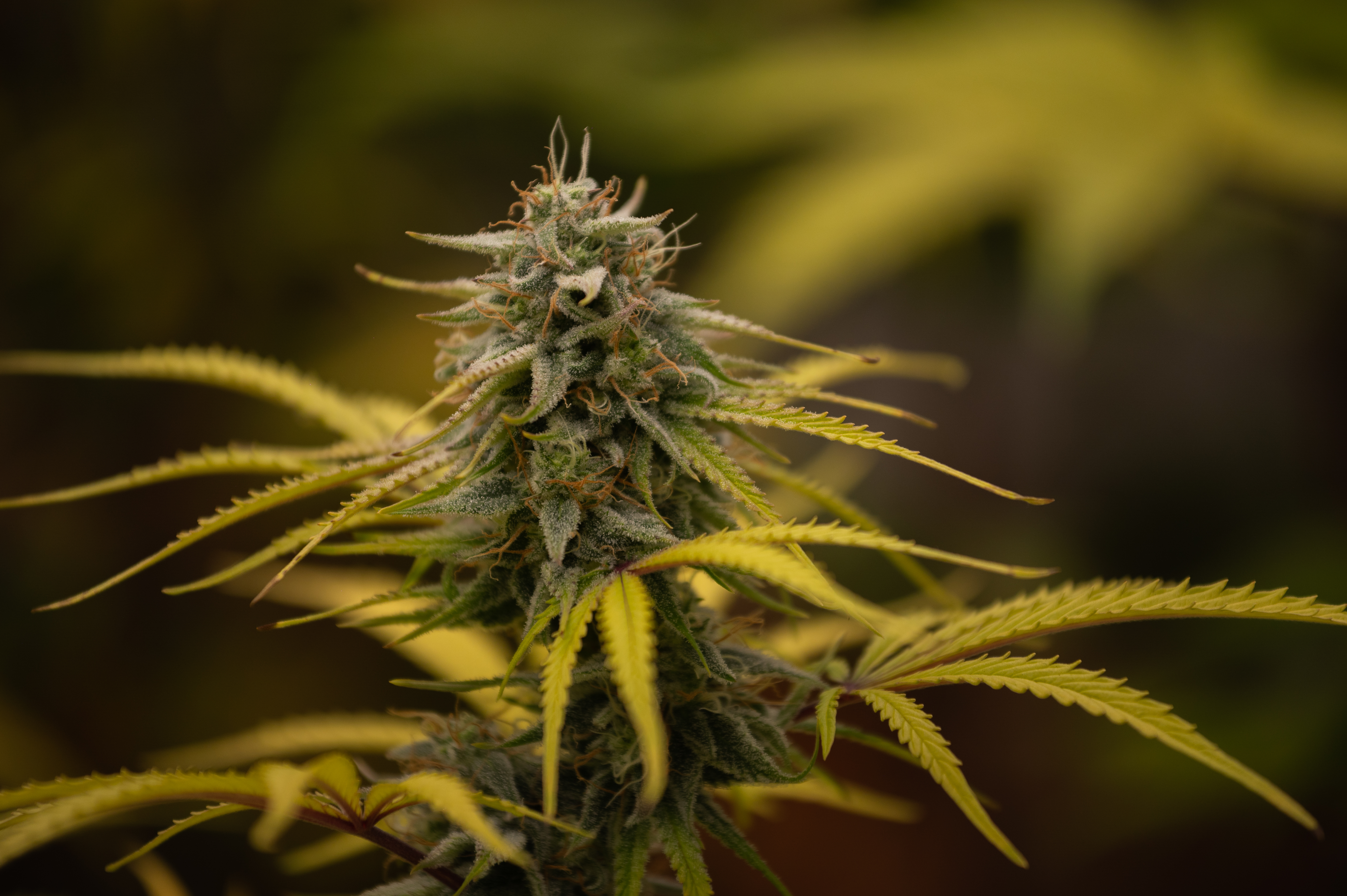


The flowering stage is one of the most important parts of a marijuana plant’s life cycle. During this stage, a mature plant changes its main purpose. Instead of focusing on growing taller, producing new branches, and making large fan leaves, the plant begins to form flowers. These flowers are often called buds. For many growers, this is the stage that requires the closest attention because small problems can affect flower health, growth, and final quality.
Before flowering begins, a marijuana plant normally passes through the seedling and vegetative stages. A seedling is young, small, and still developing its first sets of leaves and roots. During the vegetative stage, the plant builds a strong structure. It grows stems, branches, leaves, and a larger root system. These parts help prepare the plant for the demands of flowering. A plant that enters flowering in good health may be better able to support developing flowers and handle normal changes in water and nutrient use.
Flowering begins when the plant receives the right signal. Photoperiod marijuana plants usually begin flowering when they receive longer periods of darkness. Outdoors, this happens as the days become shorter later in the growing season. Indoors, growers may control the light schedule to start the flowering stage. Autoflowering plants are different because they begin flowering based mainly on age. They do not depend on the same change in daylight length.
One of the first changes during flowering is rapid vertical growth. This is often called the flowering stretch. Some plants may grow much taller during the first few weeks of flowering. The spaces between branches may become longer, and new growth may appear quickly near the top of the plant. The amount of stretch depends on plant genetics, health, light, and growing conditions. Some plants remain short and compact, while others may become much taller than expected.
Small flower sites also begin to appear where branches meet the main stem. On female plants, thin white hairs called pistils may grow from these areas. These early signs show that the plant is beginning to produce flowers. As flowering continues, small groups of flowers develop at branch tips and along the stems. These groups slowly become larger and denser when the plant remains healthy.
The plant’s smell may also become stronger during flowering. Marijuana plants produce natural compounds that create different scents. The smell may become more noticeable as flowers grow and resin production increases. Strong odors do not always mean that flowers are mature. Smell is only one change that happens during the flowering stage.
Flowering plants often need different care than plants in vegetative growth. Their water use may change as they become larger and produce more flowers. Nutrient needs may also change, but flowering plants still require balanced nutrition. Adding large amounts of fertilizer does not always increase flower size. Too much fertilizer can damage roots, burn leaf tips, and make it harder for the plant to take in water.
Light, temperature, humidity, and airflow become especially important during flowering. Healthy flowers need enough light for growth, but too much heat or light intensity can stress the plant. High humidity can also become dangerous as flowers grow thicker. Dense flowers may hold moisture, which can increase the risk of mold and internal decay. Good airflow helps reduce trapped heat and moisture around the leaves and flowers.
Regular inspection is an important part of flowering plant care. Leaves, stems, flowers, and the growing medium can provide early signs of trouble. Yellow leaves, brown tips, unusual spots, curled edges, slow flower growth, insects, and bad smells may show that the plant is under stress. Many problems look similar, so growers should avoid making quick changes based on one symptom. Watering habits, root health, pH, temperature, humidity, light, and nutrients should all be checked before deciding what caused the problem.
Flowering time can vary greatly between marijuana plants. Genetics play a major role in how quickly flowers develop and mature. Some plants may finish flowering sooner, while others need several more weeks. Indoor and outdoor conditions can also affect the timeline. Cold weather, heat stress, weak lighting, root damage, pests, disease, and poor nutrition may slow development. For this reason, a flowering estimate should be treated as a guide rather than a fixed promise.
The appearance of a flowering plant also changes as it moves closer to maturity. Flowers may become fuller, resin glands may become easier to see, and some pistils may darken or curl inward. Older fan leaves may slowly lose color as the plant reaches the later part of its life cycle. However, early or severe leaf damage should not be seen as normal maturity. Problems such as nutrient imbalance, incorrect watering, mold, pests, and root stress may also cause leaf color changes.
Understanding flowering marijuana plants means learning how to observe the full plant. One sign alone is rarely enough to judge health or maturity. Plant structure, flower growth, leaf condition, environmental conditions, and the expected flowering timeline should be considered together. Careful observation can help growers notice problems before they become severe.
This article explains the main flowering stages, the conditions plants need, and the common problems that may appear. It also covers plant sex, flower development, slow growth, environmental stress, and signs of maturity. Marijuana cultivation laws are different in each country, state, and local area. Anyone considering cultivation should first confirm that it is legal and follow all rules related to plant numbers, growing locations, possession, harvesting, and storage.
When Do Marijuana Plants Start Flowering?
Marijuana plants start flowering when they move from leaf and stem growth into reproductive growth. During the vegetative stage, the plant mainly builds roots, branches, stems, and large fan leaves. Once flowering begins, the plant starts using more of its energy to form reproductive structures. Female plants may develop flowers, while male plants may form pollen sacs.
The exact time flowering begins depends on the type of plant, its genetics, its age, and the conditions around it. Some plants react mainly to changes in daylight. Others begin flowering after reaching a certain age. Outdoor plants are also affected by the season, local climate, and length of the day.
Flowering does not usually happen all at once. It is a gradual change. A plant may first show small pre-flowers at the points where branches meet the main stem. It may then grow taller over a short period. After that, clear flower sites may begin to form.
Understanding these early changes can help a person tell the difference between normal flowering and plant stress. Sudden leaf damage, severe drooping, or weak growth should not be treated as normal signs of flowering.
How Photoperiod Plants Begin Flowering
Photoperiod marijuana plants depend on changes in the daily light and dark period. The word “photoperiod” refers to the amount of light a plant receives during each day.
These plants normally remain in vegetative growth while days are long and nights are short. Longer light periods allow the plant to continue building branches and leaves. When the plant begins receiving longer periods of darkness, its internal processes start to change.
This change tells the plant that the season is moving forward. In nature, longer nights usually mean that summer is ending and autumn is getting closer. The plant responds by starting its reproductive stage before colder weather arrives.
Darkness is an important part of this process. A photoperiod plant does not react only to the number of light hours. It also responds to the length and consistency of the dark period. Repeated changes in light exposure may confuse the plant and interrupt normal development.
Indoor cultivation may use controlled lighting to copy natural seasonal changes. However, local laws should always be checked before growing marijuana. Cultivation rules can vary by country, state, city, or province.
Once flowering begins, a photoperiod plant may continue growing taller for a short time. This is often called the flowering stretch. Some plants may stretch more than others because of their genetics. New flower sites may also become easier to see near the tops of branches and at the nodes.
When Outdoor Flowering Usually Begins
Outdoor marijuana plants usually begin flowering as the days become shorter and the nights become longer. This often happens after the longest days of summer have passed.
There is no single outdoor flowering date that applies to every location. Areas closer to the equator have smaller changes in daylight across the year. Areas farther north or south may have larger seasonal changes. Local weather and geography may also affect plant development.
Genetics are another important factor. Some plants respond quickly to shorter days, while others take longer to enter full flowering. A plant may show early pre-flowers before clear flower clusters appear.
Outdoor growers may first notice that the plant’s growth pattern begins to change. New branches may stop spreading as quickly. The plant may stretch upward, and small reproductive structures may appear where branches join the main stem.
Female plants may develop small tear-shaped structures with fine, light-colored hairs. These hairs are called pistils. Male plants may form small rounded sacs instead. Identifying plant sex is important because pollen from a male plant can fertilize female flowers.
Weather can also affect the speed of the transition. Extreme heat, cold, drought, heavy rain, pests, or root damage may slow growth. Stress may make a plant appear delayed even when daylight conditions are suitable for flowering.
Outdoor plants should be observed over several days instead of being judged from one small change. A single pair of pre-flowers does not always mean that full flowering has started. Full flowering becomes clearer when several flower sites develop across the plant.
How Autoflowering Plants Are Different
Autoflowering marijuana plants begin flowering mainly because of age rather than major changes in daylight. This trait comes from cannabis genetics that developed in regions with short growing seasons and unusual daylight patterns.
An autoflowering plant may begin producing pre-flowers while it is still fairly small. It does not need the same seasonal signal as a photoperiod plant. This means the plant may move into flowering even when the daily light period stays similar.
The timing can still vary. Genetics, root health, temperature, water, and general plant condition may affect how quickly the plant develops. Stress may slow growth, but it usually does not stop the plant’s natural age-based flowering process.
Because autoflowering plants often have a shorter life cycle, early health is important. Problems during the seedling or early vegetative stage may reduce the time the plant has to recover before flowering begins.
It is also important not to confuse the total life cycle with the flowering period. The total life cycle starts when the seed begins growing. The flowering period begins later, when reproductive growth becomes visible.
Marijuana plants begin flowering when they shift from vegetative growth into reproductive growth. Photoperiod plants usually respond to longer nights, while outdoor plants react to natural seasonal changes. Autoflowering plants begin flowering mainly because of age.
Early signs may include pre-flowers, faster upward growth, and new flower sites at the nodes. The exact timing depends on genetics, plant type, climate, health, and growing conditions. Since flowering happens gradually, the plant should be observed over time instead of judged by one sign alone. Anyone considering cultivation should also understand and follow all local laws.
How to Recognize Pre-Flowers and Plant Sex
Recognizing pre-flowers is an important part of understanding how a marijuana plant develops. Pre-flowers are small reproductive structures that appear before full flowering begins. They can help show whether a plant is male, female, or developing both male and female features.
This stage often begins when the plant becomes mature enough to reproduce. The exact timing can vary based on genetics, plant age, health, and growing conditions. Some plants show clear pre-flowers early, while others take longer. The first structures may also be very small, so careful observation is often needed.
Knowing the plant’s sex matters because male and female marijuana plants develop differently. Female plants produce the flowers that many growers want. Male plants produce pollen, which can fertilize female flowers. Once fertilized, a female plant begins putting more energy into seed production.
People should only grow or handle marijuana plants where doing so is legal. Local rules may control how many plants can be grown, where they may be kept, and who may grow them.
Where Pre-Flowers Appear
Pre-flowers usually appear at the plant’s nodes. A node is the point where a branch or leaf stem connects to the main stalk. These areas are important because reproductive structures often develop there before they become easy to see on the rest of the plant.
The upper nodes may show signs before the lower parts of the plant. However, this does not happen in every case. Checking several nodes can give a clearer answer than looking at only one location.
Early pre-flowers are often very small. They may look like tiny green growths near the base of a new branch. A close view may be needed to see their shape. Good lighting can make inspection easier, but the plant should be handled gently. Pulling branches apart or touching the young structures may cause damage.
Not every small growth at a node is a pre-flower. Marijuana plants also produce stipules, which are narrow, pointed growths found near the nodes. Stipules are part of the plant’s normal structure and do not show whether the plant is male or female. New leaves and branch shoots may also be mistaken for reproductive parts.
For this reason, it is often better to wait until the structure becomes clearer instead of making an immediate judgment. Pre-flowers usually become easier to identify as the plant continues to mature.
Signs of a Female Plant
A female pre-flower usually begins as a small, pear-shaped structure known as a calyx. It develops close to the node and often sits tightly against the stem. As it matures, one or two thin, hair-like growths may extend from it.
These fine hairs are called pistils. They are often white when they first appear, although their color can change later in the flowering stage. Pistils are designed to collect pollen from male plants.
The appearance of pistils is one of the clearest early signs that a plant is female. However, a person should inspect more than one node before deciding. A single small growth may be difficult to identify, especially when the plant is at the beginning of maturity.
As flowering continues, more female structures appear at the nodes and branch tips. These structures begin forming groups that later develop into flowers. The plant may also begin producing a stronger smell as its flowers and resin glands develop.
Female plants that remain unpollinated normally continue putting energy into flower and resin production. Pollinated female plants begin producing seeds. The flowers may still grow, but their structure and energy use change after fertilization.
Plant sex is controlled mainly by genetics, but environmental stress can affect reproductive growth. Light changes, heat, physical damage, or other forms of stress may cause some female plants to produce male structures later. Regular inspection is therefore useful throughout flowering, not only when the first pistils appear.
Signs of a Male Plant
Male plants usually develop small, rounded structures at the nodes. These structures are pollen sacs. At first, they may look like tiny green balls attached to short stems.
Unlike female pre-flowers, male pollen sacs do not produce white pistils. As the plant matures, several sacs may form together in small groups. Their shape may resemble a cluster of tiny grapes.
Male plants may show their sex slightly earlier than female plants, but this is not a fixed rule. Genetics and growing conditions can affect when reproductive structures appear.
The main purpose of a male plant is to produce and release pollen. Mature pollen sacs open and spread pollen into the surrounding air. The pollen may then reach female flowers and fertilize them.
When seedless female flowers are the goal, male plants are usually kept away from female plants. A small amount of released pollen can fertilize many flowers. Pollen can also move through airflow, clothing, tools, or contact with nearby surfaces.
A grower should avoid making a decision based only on plant height, leaf shape, or general appearance. Male plants sometimes grow taller or develop wider spaces between branches, but these traits are not reliable proof of sex. The reproductive structures at the nodes provide a much more accurate sign.
Signs of a Hermaphrodite Plant
A hermaphrodite marijuana plant develops both male and female reproductive structures. It may produce normal female flowers with pistils while also developing pollen sacs or exposed pollen-producing parts.
In some cases, separate male pollen sacs form near female flowers. These sacs may look similar to the rounded structures found on a fully male plant. In other cases, thin yellow structures may appear inside a female flower. These are sometimes called anthers because they can release pollen directly.
Hermaphrodite traits may be linked to genetics. They may also appear after the plant experiences stress. Possible stress sources include major changes in the light cycle, extreme temperatures, physical damage, disease, or poor root conditions.
A plant with both types of reproductive growth may pollinate itself and nearby female plants. This can lead to seed formation. The risk becomes greater once pollen-producing structures mature and open.
Regular checks can help identify unusual growth early. The spaces around the nodes and inside developing flowers should be viewed carefully. However, normal flower parts should not be mistaken for male structures. New pistils, swollen calyxes, and small sugar leaves are all natural parts of female flower development.
Any suspicious structure should be examined closely before action is taken. A rushed judgment may lead to the removal of a healthy female plant. At the same time, waiting too long may allow pollen to spread. Accurate identification is more useful than relying on plant size, smell, or general growth pattern.
Pre-flowers usually appear at the nodes where branches connect to the main stem. Female plants commonly develop small calyxes with white pistils, while male plants form rounded pollen sacs without hairs. Some plants may produce both male and female structures because of genetics or stress.
Early reproductive growth can be difficult to identify, so several nodes should be checked over time. Stipules, new leaves, and branch shoots should not be confused with pre-flowers. Regular observation during the transition into flowering can help identify plant sex and reveal unusual reproductive growth before pollen spreads.
Marijuana Flowering Stages Week by Week
The flowering stage is the period when a mature marijuana plant begins producing flowers. These flowers may later develop into buds. The process does not happen all at once. It moves through several stages, starting with rapid stretching and ending with slow ripening.
A week-by-week guide can help readers understand what changes may occur. However, flowering time is not exact. Plant genetics, health, lighting, temperature, and other growing conditions can affect the speed of development. Some plants move through the stages faster than others. For this reason, the plant’s appearance is often more useful than the number of days on a calendar.
Early Flowering: The Transition and Stretch
During the first part of flowering, the plant moves from leaf and stem growth toward flower production. This period is often called the transition stage. The plant may still look like it is growing in the vegetative stage because it can quickly gain height.
Many marijuana plants stretch during the first two or three weeks of flowering. Some may grow only a small amount, while others may become much taller. The level of stretching depends heavily on genetics. Plant health and the strength of the light source can also affect how much the plant stretches.
New growth may appear at the top of branches and around the nodes. Nodes are the places where branches and leaves connect to the main stem. These areas may soon become flower sites. On female plants, small white hairs called pistils often begin appearing. Pistils are early signs that the plant is forming female flowers.
Branches and spaces between the nodes may also become longer during this stage. This can make the plant look less compact. The rapid growth may cause problems when space is limited. Taller branches may move closer to a light source or become crowded against other plants.
Although flower production has started, the plant still needs healthy leaves. The leaves continue to collect light and support growth. Some lower leaves may receive less light as the canopy becomes thicker. It is important to observe the full plant for signs of stress, such as severe drooping, curling leaves, unusual spots, or very pale growth.
The first stage of flowering is also an important time to confirm the sex of the plant. Male pollen sacs may begin forming, while female plants usually show pistils. Plants should be checked regularly because accidental pollination may change flower development and lead to seed production.
Early Bud Formation
After the transition period, small flower clusters begin forming at the nodes and branch tips. The first flowers may look thin or loose. They are not yet mature buds. Instead, they are small groups of plant tissue covered with fresh pistils.
The plant may continue growing taller during early bud formation, but the stretching often begins to slow. More of the plant’s energy is directed toward flower growth. New leaves may still appear around flower sites, but the plant usually produces fewer large fan leaves than it did during the vegetative stage.
Flower sites may begin joining together as they grow. Small flowers that first appeared separately may slowly form larger groups. The buds are still light at this point and normally do not place much weight on the branches.
The plant’s smell may become more noticeable. The strength and type of the smell depend on genetics. Some plants develop a strong aroma early in flowering, while others do not become highly scented until later.
Resin glands called trichomes may also begin appearing. Trichomes can look like tiny clear or shiny dots on the flowers and nearby leaves. At this stage, they are still developing. Their presence is a normal sign of flower growth, but it does not mean the plant is mature.
Plant problems can become more serious during early bud formation if they are not found quickly. Damaged roots, poor watering habits, extreme heat, or pest activity may slow flower development. The plant should be observed as a complete system. A leaf problem does not always mean that more fertilizer is needed.
Mid-Flowering and Bud Development
During the middle of flowering, the plant’s vertical growth usually slows. Bud development becomes easier to see. Flower clusters increase in size, and spaces between smaller flowers may begin filling in.
The buds often become thicker and heavier during this stage. More pistils appear, making the flower sites look fuller. Many of the pistils remain white or light in color during active development. Some may begin changing color before others.
Trichome production may also increase. The flowers and small leaves close to them may look frosty or shiny. These small leaves are often called sugar leaves because of their coated appearance. Resin production can make the plant feel sticky.
The aroma may become much stronger during mid-flowering. Good ventilation becomes more important because the larger plant canopy can hold heat and moisture. Dense flowers can also trap moisture inside their structure. Poor airflow and high humidity may increase the risk of mold or decay.
Branches may begin bending as the flowers gain weight. Weak or narrow branches may need support to prevent damage. Care should be taken when handling the plant because flower sites can be delicate. Broken branches and crushed flowers can create openings for disease.
Leaves remain important during mid-flowering because they produce energy for the plant. A few older leaves may naturally turn pale, but fast or widespread yellowing may signal a problem. Watering, root health, nutrient balance, temperature, and pH may all play a role.
Pests should also be checked during this stage. Insects can hide under leaves or inside crowded plant growth. Webbing, bite marks, spots, or sticky areas may show that pests are present. Finding the problem early is easier than dealing with a large outbreak near the end of flowering.
Late Flowering and Ripening
Late flowering is the period when the buds move toward maturity. The flowers may become denser and more swollen. However, the rate of new growth often slows. The plant is now completing the development of existing flowers instead of creating many new ones.
Pistils may begin changing from white to darker shades, depending on the plant. Some may curl inward toward the flower. This is one sign of ripening, but pistil color alone cannot confirm maturity. Heat, physical damage, and pollination can also cause pistils to darken.
Trichomes also change as the plant develops. They may move from a clear appearance to a more cloudy look. These changes are often easier to see with magnification. Trichomes on the main flower should be examined because those found on nearby leaves may change at a different speed.
Some large leaves may fade during late flowering. Mild fading can be part of the plant’s natural aging process. However, sudden leaf death, brown areas, unusual smells, or soft flowers may indicate disease or root problems. Normal ripening should not be confused with mold, heat damage, or severe nutrient stress.
Water use may also change. A plant that is slowing down may not use moisture at the same rate as it did during active growth. Watering should be based on the condition of the growing medium and the plant rather than a fixed calendar.
Late flowering requires careful inspection. Dense flowers should be checked for signs of mold or bud rot. Affected material may look brown, gray, wet, or unusually soft. Moldy marijuana should not be consumed because it may present health risks.
Why Flowering Timelines Vary
Not every marijuana plant follows the same flowering schedule. Genetics have a major effect on how quickly a plant develops. Some varieties naturally finish earlier, while others take much longer to mature.
Plant type also matters. Photoperiod plants begin flowering after receiving a change in the light and dark cycle. Autoflowering plants begin according to age and genetics. Their flowering periods may overlap with continued plant growth.
Environmental conditions can speed up or slow down development. Extreme heat, cold conditions, poor lighting, excess moisture, root damage, pest activity, or nutrient problems may delay flowering. A healthy plant in stable conditions may develop more evenly than a stressed plant.
The start date can also be difficult to identify. Indoor growers may count from the day the light schedule changes, while others count from the first appearance of flowers. Outdoor plants usually enter flowering slowly as daylight hours become shorter. This makes exact week counting less reliable.
Breeder timelines should be treated as estimates rather than guarantees. The plant’s flower structure, pistils, trichomes, aroma, and general health provide a clearer picture of its stage.
Marijuana flowering moves through several clear stages. Early flowering often includes rapid stretching and the first pistils. Early bud formation brings small flower clusters and growing aromas. During mid-flowering, buds become thicker, resin production increases, and branches may need more support. Late flowering focuses on ripening, with slower growth and visible changes in pistils and trichomes.
A weekly timeline can provide a useful guide, but it should not be followed without observing the plant. Genetics, plant type, environment, and health can all change how quickly flowers develop. Careful inspection throughout each stage helps readers tell the difference between normal growth, natural aging, and serious plant problems.
How Long Does the Marijuana Flowering Stage Last?
The flowering stage of a marijuana plant can last several weeks, but there is no single timeline that applies to every plant. Some plants finish flowering in about seven to nine weeks. Other plants may need ten, twelve, or even more weeks before they reach full maturity. The total time depends on the plant’s genetics, type, health, and growing environment.
Flowering time normally begins when the plant starts receiving the light schedule that causes it to produce flowers. For outdoor plants, this change happens slowly as the days become shorter. For indoor photoperiod plants, growers often count flowering time from the day the light schedule is changed. However, visible flowers may not appear right away. The plant may spend one or two weeks stretching and forming early flower sites before clear buds begin to develop.
Because each plant can grow at a different speed, flowering estimates should be treated as a guide. Growers should watch the plant’s development instead of relying only on the number of weeks that have passed.
Genetics and Flowering Time
Genetics have a major effect on how long a marijuana plant stays in the flowering stage. Each cultivar has its own natural growth pattern. Some plants are bred to finish quickly, while others need a longer period to form and ripen their flowers.
Plants with genetics linked to shorter flowering periods may finish in around seven to nine weeks under suitable conditions. These plants may begin forming flowers quickly after the flowering stage starts. They can also reach maturity sooner than plants with longer flowering genetics.
Other plants may need ten to fourteen weeks or longer. These plants often continue producing new flower growth for a longer time. Their buds may develop slowly before they begin to swell and ripen. A long flowering period does not always mean that something is wrong. It may simply be normal for that plant’s genetics.
The size, smell, shape, and density of the flowers can also be affected by genetics. For this reason, two healthy plants grown in the same room may not finish at the same time. One plant may show mature flowers while another still has many fresh white pistils and new growth.
Growers should learn the expected flowering range for the cultivar they are growing. However, they should also inspect each plant on its own. Even seeds from the same cultivar can produce plants with small differences in growth and flowering speed.
Indoor and Outdoor Timing
Indoor growers usually have more control over when the flowering stage begins. Photoperiod marijuana plants remain in the vegetative stage while they receive long periods of light. When the light schedule changes to provide longer periods of darkness, the plants receive a signal to begin flowering.
Indoor growers often count the first day of flowering from the date of this light change. However, the plant may not begin producing visible flowers on that exact day. It may continue stretching for several days while its hormones adjust to the new schedule. Early pistils and flower sites often appear during this transition period.
Outdoor flowering is harder to measure because the change happens over time. As summer moves toward autumn, daylight hours slowly become shorter. The plant may begin showing pre-flowers before it fully enters the flowering stage. The exact starting date depends on the local season, latitude, weather, and plant genetics.
Two outdoor plants in different locations may begin flowering weeks apart. A plant grown closer to the equator may respond differently from one grown in an area with large seasonal changes in daylight. Cloud cover, nearby lights, and changing weather may also affect the plant.
Outdoor plants may face delays caused by cold nights, heavy rain, high humidity, or limited sunlight. These conditions can slow growth and increase the risk of mold. Indoor plants may have a more stable timeline, but they can still be delayed by poor lighting, heat, stress, or other problems.
Photoperiod and Autoflowering Timelines
Photoperiod and autoflowering marijuana plants do not begin flowering in the same way. Photoperiod plants need a change in the daily light and dark cycle. Autoflowering plants begin flowering mainly because of their age.
Many autoflowering plants start producing flowers only a few weeks after they sprout. Their complete life cycle may last around eight to twelve weeks, although some may take longer. This total life cycle includes the seedling, vegetative, flowering, and ripening stages.
The total life cycle should not be confused with the flowering period alone. For example, an autoflowering plant may live for ten weeks but spend only part of that time developing flowers. The early weeks are used for root growth, leaf production, and stem development.
Photoperiod plants can remain in the vegetative stage for a longer period. Indoor growers may keep them growing before flowering so they can reach the desired size. After the flowering light schedule begins, they may need another eight to twelve weeks or more to mature.
Autoflowering plants often grow on a fixed timeline. Major stress during early growth can affect their final size because they may not have enough time to recover before flowering begins. Photoperiod plants may have more recovery time if they are still in the vegetative stage.
Why the Breeder’s Estimate May Differ
Seed producers and breeders often provide an expected flowering time for each cultivar. This estimate may be helpful, but it should not be treated as an exact harvest date. The estimate is usually based on plants grown under controlled conditions.
A plant grown in a different environment may finish earlier or later. Weak lighting can slow flower development because the plant receives less energy. Excessive light can also create stress, especially when it causes heat damage or bleaching near the top of the plant.
Temperature problems may affect the flowering timeline. Very high temperatures can increase water loss and slow healthy flower development. Cold conditions may reduce the plant’s normal activity. Sudden changes between hot and cold temperatures may place more stress on the plant.
Watering problems can also delay growth. Overwatering may reduce the amount of oxygen around the roots. This can lead to drooping, slow nutrient uptake, and weak flower development. Severe underwatering can cause the plant to wilt and stop growing until it recovers.
Nutrient imbalances and unsuitable pH levels may prevent the roots from absorbing what the plant needs. Adding more fertilizer does not always solve slow flowering. Too much fertilizer can burn the roots and leaves, creating even more stress.
Pests, mold, root damage, interrupted darkness, and major pruning may also slow flowering. A plant that is using energy to recover from stress may need more time to mature. Careful inspection can help growers find the cause of delays before the problem becomes serious.
The marijuana flowering stage often lasts about seven to twelve weeks, but some plants may finish sooner or take much longer. Genetics are one of the main factors that control flowering time. Growing conditions, plant health, light, temperature, watering, and root health can also affect how quickly flowers develop.
Indoor flowering is easier to track because growers can record the date when the light schedule changes. Outdoor flowering begins more gradually as daylight hours become shorter. Autoflowering plants follow an age-based timeline, while photoperiod plants depend on changes in light and darkness.
Breeder estimates can provide a useful starting point, but they are not exact deadlines. The best way to judge progress is to examine the plant’s flowers, pistils, trichomes, and overall health. Growers should follow local cultivation laws and allow each plant enough time to reach maturity naturally.
Light, Temperature, Humidity, and Airflow During Flowering
The flowering stage is a sensitive time for marijuana plants. During this stage, the plant stops focusing mainly on leaves and stems. It begins putting more energy into flower development. Light, temperature, humidity, and airflow all affect how well this process happens. Sudden changes in any of these conditions can slow growth, weaken flowers, or increase the risk of disease.
A stable growing environment is often more important than trying to create perfect conditions every day. Plants usually respond better to small, steady changes than to large adjustments. Growers should check the environment often and correct problems before they become severe.
Maintaining a Stable Light Schedule
Photoperiod marijuana plants depend on a regular light and dark schedule to continue flowering. These plants begin flowering when they receive longer periods of darkness. Once flowering starts, the daily schedule should remain consistent.
Indoor flowering plants are often kept on a schedule with equal periods of light and darkness. The exact schedule may depend on the growing system and local rules, but the main goal is consistency. Lights should turn on and off at the same time each day. A timer can help prevent delays or mistakes.
The dark period is especially important. Light leaks during this time may confuse the plant. Even a small light from a window, hallway, device, or power strip may interrupt darkness if it reaches the plant often. Repeated light leaks may cause slow flowering, unusual growth, or stress. In some cases, a flowering plant may develop male reproductive parts because of ongoing stress.
Growers should inspect the growing area during the dark period. Doors, vents, zippers, and equipment lights should be checked. Any unwanted light should be blocked without reducing safe airflow.
Light strength also matters. Weak light may cause thin stems, wide spaces between nodes, and loose flower growth. The lower parts of the plant may receive very little light if the canopy is too thick. This may lead to small or slow-growing flowers in shaded areas.
However, stronger light is not always better. Excessive light can damage leaves and flower tops. Signs may include pale upper leaves, yellow areas, dry edges, upward-curling leaves, or bleached flower tips. These symptoms often appear near the light source first.
Light stress may also happen when lamps are too close to the plant. Growers should follow the equipment maker’s distance and safety guidance. The correct distance depends on the lamp type, heat output, plant size, and growing space. Lights should be adjusted carefully as plants stretch during early flowering.
Managing Temperature
Temperature affects how quickly a flowering marijuana plant uses water and nutrients. It also affects plant stress, smell, and moisture levels inside the growing area. Temperatures should remain steady instead of changing sharply between day and night.
Very hot conditions may cause leaves to curl upward or develop dry edges. Plants may drink water faster than usual, and the growing medium may dry too quickly. High heat may also reduce healthy flower growth and increase stress. If heat remains trapped around the flower tops, the plant may show damage even when the lower parts look healthy.
Heat may come from lamps, poor ventilation, warm outdoor weather, or equipment placed too close to plants. Growers should check the temperature at plant height because the air near the ceiling or floor may be different. The upper canopy is often warmer because it is closer to the lights.
Cold conditions may also cause problems. Low temperatures can slow plant activity and reduce water use. Roots may absorb nutrients less effectively when the growing medium is too cold. Cold and damp conditions may also increase the risk of mold.
Large temperature swings can stress plants. For example, a warm growing space may become very cold when the lights turn off. A small drop at night is normal, but sudden and extreme changes should be avoided. Heating, ventilation, and insulation may help keep the environment more stable.
Growers should also avoid pointing very hot or cold air directly at the plants. Air from a heater, air conditioner, or open window may create one hot or cold area even when the room temperature seems normal.
Controlling Humidity
Humidity is the amount of moisture in the air. It affects how quickly plants release water through their leaves. During flowering, humidity control becomes more important because flowers become thicker and denser.
High humidity can cause moisture to remain inside the plant canopy. Dense flowers may trap damp air, especially when leaves and branches are crowded together. This creates suitable conditions for powdery mildew, bud rot, and other fungal problems.
Bud rot may begin inside a flower where it is difficult to see. The outside may look healthy while the inside becomes brown, gray, soft, or dry. Affected flowers may have a musty smell or leaves that pull out easily. Moldy plant material should not be consumed.
Low humidity can also cause stress. Very dry air may cause plants to release water too quickly. Leaf edges may become dry, and the plant may need water more often. Dry air combined with high temperatures can place even more pressure on the plant.
Humidity should be measured with a reliable meter. The sensor should be placed near the plant canopy rather than directly beside a humidifier, fan, or vent. Humidity levels may be different in separate parts of the room, so larger growing spaces may need more than one meter.
Growers can reduce high humidity by improving ventilation, removing standing water, avoiding overcrowding, and using equipment that removes moisture from the air. Watering soon after the lights turn on may also give extra moisture time to leave the space before the dark period.
Humidity often rises after lights turn off because the air becomes cooler. This change should be watched carefully during late flowering. A growing space that seems dry during the day may become too damp at night.
Providing Air Movement and Ventilation
Air movement and ventilation are related, but they are not the same. Air movement means circulating air around the plants. Ventilation means removing warm, moist air and replacing it with fresher air.
Gentle air movement helps prevent hot and damp areas from forming. It also helps leaves dry after watering or small moisture changes. Fans can move air across the top, middle, and lower parts of the plant canopy.
Fans should not blast one section of the plant all day. Strong air aimed directly at leaves may cause wind damage. The affected leaves may curl, dry out, or become weak. Gentle movement is enough. Leaves should move slightly rather than bend hard or shake constantly.
Good ventilation removes heat from grow lights and moisture released by plants. It also helps bring in fresh air. Without proper ventilation, the growing space may become hot, damp, and stale.
Air should be able to move between branches and around flower sites. Very crowded plants may block airflow, even when fans are running. Dead leaves and badly damaged plant material should be removed carefully because they may hold moisture. However, healthy leaves should not be removed without a reason because they help the plant produce energy.
Equipment should also be kept clean. Dust, dirt, and plant material can collect on fans, vents, filters, and walls. Regular cleaning may improve airflow and reduce places where pests or mold can spread.
Flowering marijuana plants need a stable environment. A regular light and dark schedule helps photoperiod plants continue flowering. Light leaks, weak lighting, or excessive light may cause stress and poor flower development.
Temperature should remain steady, without severe heat, cold, or sudden changes. Humidity should also be watched closely, especially as flowers become thick and dense. High moisture and poor airflow can increase the risk of mildew and bud rot.
Gentle air movement helps prevent damp or hot areas, while ventilation removes heat and moisture from the growing space. Growers should check conditions near the plant canopy and make small corrections when needed. Keeping light, temperature, humidity, and airflow stable gives flowering plants a better chance to develop normally and remain healthy.
Watering and Nutrient Needs During Flowering
Flowering marijuana plants need steady care because their water and nutrient needs may change as flowers develop. A plant that received the right amount of water during the vegetative stage may need a different routine during flowering. Larger plants often have more leaves, longer branches, and a bigger root system. These parts may cause the plant to use water faster. However, this does not mean the plant should be watered every day.
Watering and feeding should be based on the condition of the plant and growing medium. Too much water can damage the roots, while too little water can slow growth. Too much fertilizer may burn the leaves and reduce plant health. A balanced approach helps the roots take in the water and nutrients needed for healthy flower development.
How Water Needs Change
Water use may increase during the early and middle parts of flowering. During this time, the plant may stretch, form new flower sites, and build more plant tissue. Larger leaves also release more water into the air. Warm temperatures, strong airflow, and low humidity may cause the growing medium to dry faster.
Plant size is only one factor that affects watering. Container size, root health, temperature, humidity, airflow, and the type of growing medium also matter. A plant in a small container may dry out faster than a plant in a large container. A light, well-draining medium may also dry faster than a heavy medium that holds more moisture.
Watering needs may slow during late flowering. As the plant moves closer to maturity, it may produce less new growth and use less water. Growers may notice that the container stays wet for a longer time. This change should be watched carefully because continued heavy watering may leave the root area too wet.
A fixed watering calendar is not always reliable. Watering every two or three days may work for a short period, but plant needs can change. It is better to check the growing medium before adding more water. The top layer may feel dry even when the lower part of the container is still wet. Lifting the container can help estimate how much moisture remains. A wet container usually feels much heavier than a dry one.
Water should be added evenly across the growing medium. Pouring water in only one small area may leave some roots dry. Slow, even watering allows moisture to spread through the root zone. Good drainage is also important because excess water must be able to leave the container.
Avoiding Overwatering and Underwatering
Overwatering is one of the most common problems during flowering. It does not always mean that too much water was added one time. It often means that the roots stayed wet for too long. Roots need both water and oxygen. When the growing medium remains soaked, air spaces fill with water. This can reduce oxygen around the roots and slow nutrient uptake.
Signs of overwatering may include drooping leaves, slow growth, yellowing, and a heavy container that stays wet for many days. The leaves may look thick or swollen. In severe cases, the roots may become damaged, and the plant may develop a weak smell from the growing medium.
Underwatering can also cause drooping, but the plant often looks limp rather than heavy. Leaves may hang down, and the growing medium may pull away from the sides of the container. The container may also feel very light. A severely dry plant may have weak stems and dry leaf edges.
The best way to avoid both problems is to check several signs before watering. The weight of the container, the moisture below the surface, and the condition of the leaves should be considered together. A single drooping leaf does not always mean the plant needs water. Heat, root damage, or strong light may cause similar symptoms.
Good drainage holes and a suitable growing medium help reduce watering problems. Water should not remain trapped at the bottom of the container. Standing water may create weak root conditions and increase the risk of disease.
Understanding Flowering Nutrients
Flowering plants still need a range of nutrients. They do not survive on phosphorus and potassium alone. Nitrogen, calcium, magnesium, sulfur, and micronutrients also support plant functions during flowering.
Nitrogen helps support leaf health and plant growth. Flowering plants often need less nitrogen than they used during the vegetative stage, but they still need some. Removing nitrogen too early may cause fast yellowing and weak plant health. However, too much nitrogen may produce very dark leaves, soft growth, and curled leaf tips.
Phosphorus supports energy movement, root activity, and flower development. Potassium helps with water movement, plant strength, and other important processes. These nutrients are often found in flowering fertilizers, but using more than the label recommends does not guarantee larger flowers.
Calcium helps build strong plant tissue, while magnesium supports chlorophyll and photosynthesis. Problems involving these nutrients may appear as spots, pale areas, or damaged leaf edges. However, similar symptoms may also be caused by incorrect pH, overwatering, or root stress.
Excess fertilizer can lead to salt buildup in the growing medium. Warning signs may include brown leaf tips, very dark leaves, curling, and slow growth. Adding more fertilizer when the plant is already overfed may increase the damage. Nutrient changes should be made slowly, and the plant should be watched for several days.
A balanced nutrient plan is safer than trying to force flower growth with very strong feeding. Healthy roots can only take in a limited amount of nutrients. The plant cannot use everything added to the container.
Monitoring pH and Root Health
The pH level of the water and growing medium affects nutrient availability. When pH moves too far outside the suitable range for the growing method, some nutrients may become harder for the roots to absorb. This can create a nutrient lockout. The plant may show signs of deficiency even when nutrients are present in the growing medium.
Soil and soilless systems may require different pH ranges. Growers should follow the guidance for the specific growing medium and nutrient product being used. Sudden changes in pH can also stress the roots, so corrections should be made carefully.
Root health should be checked when several nutrient problems appear at the same time. Damaged roots cannot take in water and nutrients well. Root problems may result from poor drainage, overwatering, low oxygen, disease, or extreme temperatures.
A nutrient problem should not be treated by adding more fertilizer without checking other causes. Watering habits, drainage, pH, temperature, and root condition should all be reviewed. Correcting the real cause gives the plant a better chance to recover.
Flowering marijuana plants need careful watering, balanced nutrients, suitable pH, and healthy roots. Water needs may increase during early flowering and slow near maturity. The growing medium should be checked before each watering instead of following a strict calendar.
Overwatering can reduce oxygen around the roots, while underwatering can cause severe drooping and dry plant tissue. Flowering plants still need nitrogen, phosphorus, potassium, calcium, magnesium, and micronutrients. Strong feeding does not always improve flower growth and may cause nutrient burn or salt buildup.
When leaves show damage, growers should examine the whole growing system. Watering, pH, drainage, root health, temperature, and nutrients can all affect how the plant looks. Stable care and small changes are usually safer than sudden changes during flowering.
Supporting and Maintaining Plants During Flowering
Flowering marijuana plants often need more physical support and careful maintenance than they did during the vegetative stage. As flowers grow, branches may become heavier and more likely to bend. The plant canopy may also become crowded, which can trap heat and moisture. Regular checks help growers find weak branches, damaged leaves, pests, or mold before these problems spread.
Maintenance during flowering should be gentle. Major changes can place stress on the plant at a time when it is directing much of its energy toward flower growth. The main goal is to keep branches stable, maintain airflow, remove unhealthy plant material, and watch for early signs of trouble. Any cultivation should follow local laws and regulations.
Supporting Heavy Branches
Branches that looked strong during early flowering may begin to bend as flowers gain weight. Some plants naturally grow thick stems, while others have thinner branches that need extra support. Genetics, plant size, flower density, and growing conditions can all affect how much support a plant needs.
Stakes are one simple support option. A clean stake can be placed near the main stem or beside a heavy branch. Soft plant ties can then hold the branch in place. Ties should be loose enough to allow the stem to grow. Wire, thin string, and tight plastic ties may cut into the branch and damage it.
Support netting is another common method. A net can help spread branches across the growing area and hold them upright. It may also prevent one branch from falling onto another. However, the net should not press flowers together or block air from moving through the canopy.
Branches should be supported before they break. A small bend may be easier to manage than a split stem. If a branch starts leaning, it can often be tied to a stake or nearby support. Rough handling should be avoided because flowering branches may become stiff and easier to snap.
Growers should also check the support system as the plant develops. A tie that was loose during early flowering may become too tight later. Stakes may shift in wet growing media, while nets may sag as more weight is added. Regular adjustments can help prevent damage.
Managing the Plant Canopy
The canopy is the upper area formed by the plant’s leaves and branches. A healthy canopy should allow light and air to reach different parts of the plant. When branches become too crowded, leaves may overlap and create damp areas. These conditions can increase the risk of pests, powdery mildew, and flower rot.
Some spacing between branches helps air move through the plant. Branches that are pressed tightly together may be gently repositioned and supported. Fans can help move air around the canopy, but strong air should not blow directly at one part of the plant all day. Constant strong wind may dry leaves or cause stress.
Major training is usually avoided during late flowering. Bending, cutting, or moving large branches can damage the plant and slow normal development. Heavy pruning may also remove healthy leaves that the plant still needs for photosynthesis.
Small adjustments are often safer. A grower may move a branch slightly, add a support tie, or remove a leaf that is fully dead. The goal is not to create a perfect shape. The goal is to reduce crowding without causing unnecessary stress.
Plant height should also be watched. Upper flowers that grow too close to a strong indoor light may become pale, dry, or damaged. Raising the light or gently supporting the tallest branches may help, depending on the growing system. The recommended distance from the light source should always be followed.
Removing Damaged Plant Material
Dead or badly damaged leaves may need to be removed during flowering. These leaves no longer support the plant and may trap moisture against flowers or branches. Plant material with visible mold, serious pest damage, or decay should also be handled carefully.
Healthy leaves should not be removed without a clear reason. Leaves collect light and help the plant make energy. Removing too many leaves at once may reduce photosynthesis and place stress on the plant. Some natural leaf fading can occur during late flowering, but early or severe yellowing may point to a watering, nutrient, root, or pH problem.
Clean tools are important when cutting plant material. Scissors or pruning tools should be cleaned before use and between plants. Dirty tools may spread disease, mold spores, or pests. Cuts should be clean rather than torn.
Removed leaves should not be left on the growing medium or floor. Dead plant matter can hold moisture and create a place for pests or mold to develop. The growing area should remain clean and dry.
Moldy flowers require special care. Mold can grow inside dense flowers where it may not be easy to see. Brown, gray, soft, or unpleasant-smelling areas may be warning signs. Moldy marijuana should not be used or consumed because it may be unsafe.
Checking Plants Regularly
Regular inspection is one of the most useful parts of flowering plant care. A quick daily check can help find problems while they are still small. Growers should look at the upper and lower leaf surfaces, branch joints, stems, flowers, growing medium, and drainage area.
The undersides of leaves may show pests before the top surfaces do. Small dots, webbing, sticky areas, pale patches, or moving insects may indicate a pest problem. Flower clusters should also be checked for unusual discoloration, moisture, or decay.
The growing medium can provide important clues. Soil or another medium that stays wet for too long may increase the risk of root problems. A medium that dries very quickly may show that the plant needs more frequent checks. Drainage water, unusual smells, and algae growth may also point to poor conditions.
Changes should be recorded when possible. Notes about watering, plant height, leaf color, temperature, humidity, and flower growth can make patterns easier to see. Photos taken from the same angle may also help show whether a problem is improving or getting worse.
Large changes should not be made based on one symptom alone. Drooping leaves, for example, may be caused by too much water, too little water, heat, root damage, or other stress. The whole plant and growing environment should be checked before taking action.
Flowering marijuana plants may need added support as their flowers become heavier. Clean stakes, soft ties, and support netting can help prevent branches from bending or breaking. The canopy should remain open enough for air to move around the leaves and flowers, but major training and heavy pruning should be avoided during late flowering.
Dead, diseased, or badly damaged plant material should be removed with clean tools. Healthy leaves should remain unless they are causing a clear problem. Daily inspections make it easier to find pests, mold, weak branches, watering issues, and environmental stress early. Gentle maintenance, good airflow, clean growing conditions, and regular checks can help flowering plants remain stable and healthy as they move toward maturity.
Common Problems With Flowering Marijuana Plants
Flowering marijuana plants can develop several problems as flowers become larger and the plant uses more water and nutrients. Some problems start in the leaves, while others affect the roots, stems, or flowers. Many symptoms can look alike, so it is important to examine the whole plant before deciding what is wrong.
A yellow leaf, for example, does not always mean that the plant needs more fertilizer. Yellowing may come from natural aging, wet soil, poor root health, an unsuitable pH level, disease, or environmental stress. Adding nutrients without finding the true cause may make the problem worse.
Regular inspections can help identify problems early. Check the upper and lower leaves, stems, branch joints, growing medium, and flowers. Pay attention to where symptoms first appear and whether they are spreading. The location, speed, and pattern of the damage can provide useful clues.
Yellowing Leaves
Some yellowing can be normal near the end of flowering. Older leaves may slowly lose their green color as the plant moves toward maturity. This type of fading often begins on older leaves and develops over time.
Yellow leaves can also be a sign of stress when they appear too early, spread quickly, or affect large parts of the plant. Overwatering is one common cause. Roots need both moisture and oxygen. When the growing medium stays wet for too long, the roots may not receive enough air. The plant may droop, grow slowly, and develop pale or yellow leaves.
Underwatering may also cause yellowing. A plant that becomes very dry may have soft, limp leaves. Repeated cycles of severe dryness can damage roots and reduce the plant’s ability to absorb nutrients.
Nutrient imbalance is another possible cause. Flowering plants still need several nutrients, including nitrogen, potassium, phosphorus, calcium, magnesium, and trace minerals. Too little of one nutrient may cause discoloration, but too much fertilizer can create similar symptoms.
An unsuitable pH level may prevent the roots from using nutrients that are already present. This is sometimes called nutrient lockout. The growing medium may contain enough nutrients, but the plant may still show signs of deficiency because the roots cannot absorb them correctly.
The location of the yellowing can help with diagnosis. Problems that begin on old lower leaves may have a different cause from problems that begin on young upper leaves. Leaf spots, damaged veins, curled edges, and changes in stem color may provide more information.
Brown Tips and Nutrient Burn
Brown or dry leaf tips may be an early sign of excessive fertilizer. This problem is often called nutrient burn. It usually begins at the ends of the leaves because salts can collect in plant tissue.
Mild nutrient burn may appear as small brown tips. More serious cases may cause the brown areas to spread along the leaf edges. Leaves may become very dark green, stiff, curled, or claw-shaped. Plant growth may slow, and the roots may become stressed.
It is easy to mistake nutrient burn for a nutrient deficiency. A grower may see damaged leaves and assume that the plant needs more feeding. Adding more fertilizer can increase the salt level and cause more damage.
Old damage does not normally return to green after the cause has been corrected. The condition of new growth is often a better sign of whether the plant is recovering. If new leaves continue to develop damaged tips, the root-zone problem may still be present.
Brown tips may also result from heat, dry air, damaged roots, or watering problems. The full plant and its environment should be checked before one cause is selected.
Light Burn and Heat Stress
Light burn often affects the parts of the plant that are closest to a strong light source. Upper leaves may become pale, yellow, dry, or curled. Flower tops may lose color and appear bleached. Lower parts of the plant may remain healthier because they receive less intense light.
Heat stress may cause similar symptoms. Leaves may curl upward along the edges, become dry, or develop brown patches. The plant may use water faster than normal. Flowers may grow slowly if high temperatures continue for a long period.
Light and heat problems often happen together because powerful lights can increase the temperature near the upper plant canopy. Poor ventilation can make the problem more serious by allowing hot air to remain around the leaves and flowers.
Environmental stress may also come from sudden changes. A large shift in temperature, light strength, or humidity can place pressure on a flowering plant. Stable conditions are usually easier for plants to handle than repeated changes.
Damage near the top of the plant often suggests a problem related to heat or light. Damage spread across the whole plant may point to a root, nutrient, water, or disease issue.
Pests
Pests may attack marijuana plants during any growth stage. Common warning signs include small spots, damaged leaf tissue, webbing, sticky surfaces, tiny insects, eggs, and unusual marks on the lower sides of leaves.
Some pests feed by removing plant fluids. Their feeding may leave pale dots or uneven yellow patches. Other pests may chew holes in leaves or damage soft plant growth. A serious pest problem can weaken the plant and reduce healthy flower development.
The undersides of leaves are important inspection areas because many insects and eggs are difficult to see from above. Branch joints and crowded inner growth should also be checked.
Pests can spread through clothing, hands, tools, soil, plant material, or nearby plants. Handling an infested plant and then touching a healthy plant may move insects or eggs between them. Clean working habits can reduce this risk.
Flowers should be inspected with care. Dense flowers may hide small insects or damaged tissue. Strong treatment products should not be applied carelessly to flowering plants because residues may remain on the flowers. Any pest-control method must be legal, labeled for the intended plant, and suitable for the stage of growth.
Powdery Mildew and Bud Rot
Powdery mildew is a fungal problem that may appear as white or gray powder on leaves, stems, or flowers. It may begin as small round patches and spread across the plant. The affected surface may look as if it has been lightly covered with flour.
Bud rot is another serious fungal problem. It often begins inside dense flowers where it may not be easy to see. Affected flower tissue may turn brown, gray, soft, or dry. Small leaves growing from the flower may suddenly wilt or pull away easily.
High humidity, weak airflow, crowded plants, and wet plant surfaces can increase the risk of fungal growth. Large, dense flowers may hold moisture, especially when air cannot move through the plant.
The inside of a flower may be damaged even when the outside looks fairly healthy. Any unusual brown area, soft tissue, bad smell, or sudden dying leaf near a flower should be examined carefully.
Moldy marijuana should not be consumed. Removing visible mold does not guarantee that the remaining material is safe because fungal growth and spores may extend beyond the area that can be seen.
Weak Stems and Falling Branches
Flowering branches may bend as flowers gain weight. Weak stems can also result from poor early growth, rapid stretching, physical damage, or limited support.
A branch that bends slightly may continue growing, but a split or broken branch can interrupt water movement and increase the chance of infection. Heavy branches may also fall against other plants, walls, lights, or the growing surface.
Supports should hold branches gently without cutting into the stem. Tight ties can damage plant tissue as the branch grows thicker. Plant supports should also avoid pressing flowers together because crowded flowers can trap moisture.
Plants should be moved and handled carefully during flowering. Branches can become less flexible as they mature, making them easier to crack. Regular checks can find weak areas before a branch completely falls.
Flowering marijuana plants may develop yellow leaves, brown tips, pest damage, heat stress, weak branches, mildew, or flower rot. Many of these problems share similar symptoms, so one damaged leaf is not enough to make a clear diagnosis.
The location and pattern of the damage are important. Symptoms near the top may relate to light or heat, while whole-plant symptoms may involve roots, water, nutrients, or disease. Early yellowing may signal stress, but gradual fading near maturity may be natural.
Regular inspections, stable environmental conditions, clean tools, and careful plant handling can reduce the risk of serious damage. Moldy plant material should never be consumed. Growers should also follow all local laws and safety rules related to marijuana cultivation.
Why Are the Flowers Small, Slow Growing, or Not Developing?
Small or slow-growing flowers can be frustrating, especially when a marijuana plant appears healthy in other ways. Flower size depends on several connected factors. Light, temperature, humidity, airflow, watering, root health, nutrition, genetics, and pollination can all affect flower development. A problem in one area may also create stress in another area.
Growers should avoid changing many things at the same time. It is often better to inspect the whole plant and growing space first. Check where the symptoms appear, when they started, and whether they affect one plant or several plants. This careful process can help identify the main cause without creating more stress.
Weak or Incorrect Lighting
Light is one of the most important factors during flowering. Plants use light to create the energy needed for growth. When flowering plants do not receive enough suitable light, they may produce small, loose, or slow-growing flowers. Lower branches may be affected first because they often receive less light than the top of the plant.
Weak lighting may also cause branches to stretch toward the light source. The spaces between the nodes may become longer, and flowers may appear spread out instead of forming dense groups. Leaves may stay green, but the plant may still lack enough energy to support strong flower growth.
The distance between the light and the plant canopy also matters. When a light is placed too far away, the plant may not receive enough intensity. When it is too close, the upper leaves and flowers may suffer from light stress or heat damage.
Signs of excessive light may include pale leaves, yellow flower tops, dry edges, and leaves that curl upward. The highest parts of the plant usually show damage first. Strong light does not always produce larger flowers. More light can become harmful when the plant cannot handle the intensity.
A grower should also check whether the light reaches the full canopy. Tall branches may block shorter ones. Dense leaves may shade lower flower sites. A level and open canopy can help light reach more areas of the plant. However, major pruning or training during late flowering may cause stress and slow growth further.
Photoperiod plants also need a stable light schedule. Changes in timing or light leaks during the dark period may interrupt normal flowering. Some plants may return to vegetative growth, produce unusual leaves, or stop developing flowers at a normal rate. A timer and a dark growing space can help keep the schedule steady.
Environmental Stress
Flowering marijuana plants grow best in a stable environment. Strong changes in temperature, humidity, or airflow can slow flower production. Even when the plant survives these changes, it may use more energy to manage stress instead of developing flowers.
High temperatures can increase water loss and cause leaves to droop or curl. Heat may also reduce healthy resin and flower development. Flowers near a hot light may become pale, dry, or loose. Very warm air may also increase the risk of pests and make watering more difficult to manage.
Cold conditions can slow the plant’s natural processes. Roots may absorb water and nutrients more slowly when the growing medium stays cold. Plant growth may become weak, and flowers may take longer to mature. Sudden drops in temperature can also shock the plant.
Humidity affects how quickly a plant loses water through its leaves. Very low humidity may cause rapid water loss and dry leaf edges. Very high humidity may slow water movement through the plant and raise the risk of mold. Dense flowers can trap moisture inside, especially when airflow is poor.
Air movement should be gentle and steady. Still air may allow heat and moisture to build up around leaves and flowers. Strong fans aimed directly at the plant may dry or damage the leaves. Air should move around the canopy without causing branches to shake constantly.
Environmental stress may also come from repeated changes. Moving plants, adjusting lights often, allowing the growing area to become hot during the day and cold at night, or changing humidity levels too quickly can affect flowering. Stable conditions are often more useful than trying to reach one exact number every hour.
Root, Water, and Nutrient Problems
Healthy flowers depend on healthy roots. Roots absorb water, oxygen, and nutrients from the growing medium. When roots are damaged or lack air, the whole plant may slow down.
Overwatering is a common cause of weak flower growth. Constantly wet growing media contain less oxygen. Roots may begin to weaken or rot, making it harder for the plant to absorb nutrients. The leaves may droop even though the soil is wet. Growth may become slow, and the plant may look heavy or swollen.
Underwatering can also reduce flower growth. A plant that becomes too dry may wilt, lose leaf strength, and stop growing until water is available again. Repeated cycles of severe dryness can damage roots and create lasting stress. The correct watering frequency depends on plant size, container size, temperature, humidity, and the type of growing medium.
Poor drainage can make watering problems worse. Water should be able to leave the container instead of collecting around the roots. Containers that are too small may also limit root growth. A root-bound plant may dry out quickly and struggle to absorb enough water and nutrients.
Nutrient problems can cause small flowers, but adding more fertilizer is not always the answer. Flowering plants need a balance of nitrogen, phosphorus, potassium, calcium, magnesium, and smaller amounts of other nutrients. Too little nutrition may cause pale leaves and slow growth. Too much may burn roots and leaf tips.
Excess fertilizer can lead to salt buildup in the growing medium. This buildup may make it harder for roots to absorb water. Leaves may become very dark, develop brown tips, or curl downward. Adding even more nutrients may make the problem worse.
Unsuitable pH can cause similar symptoms. Nutrients may be present in the soil or water, but the roots may not absorb them well. This condition is often called nutrient lockout. Before treating a deficiency, a grower should check watering habits, root condition, drainage, fertilizer strength, and pH.
Genetics and Pollination
Genetics play a major role in flower size and structure. Some marijuana plants naturally produce dense flowers, while others form longer, lighter, or more open flowers. A plant with loose flowers is not always unhealthy. Its natural shape may come from its genetic background.
Flowering speed also varies. Some plants mature quickly, while others need several more weeks. Comparing different cultivars may create false concerns. A plant should be judged according to its own growth pattern, expected flowering time, and general health.
Seed quality can affect plant strength. Weak or unstable genetics may lead to slow growth, uneven flowering, or unusual plant development. Even plants from the same group of seeds may show differences in height, flower shape, aroma, and maturity time.
Pollination can also change flower development. When female flowers receive pollen, the plant begins putting more energy into seed production. Flower growth may slow, and seeds may form inside the buds. This can happen when a male plant releases pollen nearby.
A plant with both male and female structures may also release pollen. Stress, genetics, or light problems may increase the risk of this condition. Growers should inspect plants often during flowering, especially around the nodes and inside developing flowers.
Pollinated flowers may still grow, but they often develop differently from seedless flowers. Removing a male plant after pollen has spread may not reverse pollination. Early identification is important when seedless flowers are the goal.
Unrealistic expectations can also make normal growth look like a problem. Images of very large flowers may come from selected plants grown under controlled conditions. Flower size alone does not show the full health or quality of a plant. Growth should be judged by several signs, including leaf condition, flower formation, aroma, resin development, and steady progress over time.
Small or slow-growing marijuana flowers may result from weak light, excessive light, heat, cold, poor humidity control, weak airflow, watering mistakes, root damage, nutrient imbalance, unsuitable pH, genetics, or pollination. Many of these problems create similar symptoms, so it is important to inspect the whole growing system before making changes.
Stable conditions usually support better flowering. Plants need suitable light, healthy roots, balanced nutrition, careful watering, and steady airflow. Genetics also affect how large, dense, and fast-growing the flowers can become. Careful observation can help growers find the real cause of slow development and avoid treatments that may create more stress.
Signs That Flowering Marijuana Plants Are Reaching Maturity
Knowing when a flowering marijuana plant is reaching maturity can be difficult for new growers. A plant may look large and full, but that does not always mean the flowers are fully developed. Flowering time estimates can provide a useful guide, but they should not be the only factor used to judge maturity. Genetics, plant health, light, temperature, and stress can all affect how quickly a plant finishes flowering.
The best approach is to study several signs at the same time. These signs include changes in the pistils, trichomes, flowers, leaves, aroma, and overall growth rate. Looking at the complete plant gives a more accurate picture than relying on one feature alone.
Changes in Pistils
Pistils are the fine, hair-like structures that grow from female marijuana flowers. They are often white when they first appear. As the flowers develop, many pistils may change to yellow, orange, red, or brown. They may also curl inward instead of sticking straight out from the flowers.
These changes can suggest that the plant is moving closer to maturity. However, pistil color should not be used as the only test. Some marijuana varieties naturally keep many white pistils late into flowering. Other plants may develop dark pistils early because of heat, dry air, physical contact, pollination, or other forms of stress.
New white pistils may also continue appearing near the tops of flowers. This can happen during normal growth, but it may also occur when the plant is exposed to too much heat or light. The plant may form small new flower growth on top of older flowers. This growth is sometimes called foxtailing.
A grower should study the whole flower instead of counting only the dark pistils. Mature flowers often have many curled and darkened pistils, but their shape, firmness, and resin development should also be considered. When pistils are used together with other maturity signs, they become much more useful.
Changes in Trichomes
Trichomes are very small resin glands found on marijuana flowers and the nearby leaves. They may look like tiny crystals when viewed without magnification. These glands contain many of the compounds that create the plant’s smell, flavor, and effects.
Growers often use a magnifying tool to inspect trichomes because they are too small to judge clearly with the naked eye. A small hand lens, jeweler’s loupe, or digital microscope can make the gland heads easier to see.
During early flower development, many trichomes may appear clear and glass-like. As the plant matures, they often become cloudy or milky. Some may later develop an amber or golden color. These changes happen because the chemical content inside the trichomes is changing as the flower ripens.
Trichomes should be checked on the flowers themselves rather than only on the small leaves around them. The small resin-covered leaves are often called sugar leaves. Trichomes on sugar leaves may mature earlier than those on the main flowers. Looking only at the leaves could make the plant seem more mature than it actually is.
Several parts of the plant should be examined because trichomes may not change at the same speed everywhere. Flowers close to strong light may mature differently from shaded flowers lower on the plant. Checking a few middle and upper flower sites can give a more balanced view.
Trichome color is useful, but it is not a perfect system. Different genetics may produce different patterns, and poor plant health may affect resin appearance. Trichomes should therefore be considered together with flowering time, flower growth, and overall plant condition.
Flower and Leaf Changes
Flowers often become fuller and denser as the marijuana plant reaches maturity. The flower structures may appear swollen, and the gaps between them may become less noticeable. The plant may also produce fewer new pistils, while the older pistils darken and curl inward.
Flower growth usually slows during the final part of the flowering stage. Earlier in flowering, growers may notice clear changes from week to week. Near maturity, the plant may spend more energy ripening its existing flowers instead of producing large amounts of new growth.
A stronger smell may also develop. The aroma can become deeper or more noticeable as resin production increases. However, smell alone cannot confirm maturity. Some varieties naturally have a strong smell early in flowering, while others remain less noticeable throughout the entire cycle.
Leaf changes are also common. Large fan leaves may slowly fade from deep green to lighter green or yellow. This can happen because the plant is aging and moving stored nutrients from older leaves. A small amount of natural fading late in flowering may not be a serious problem.
Severe or rapid leaf damage should not be treated as a normal sign of maturity. Leaves that become brown, crisp, spotted, curled, or completely yellow within a short time may point to heat stress, root problems, incorrect watering, nutrient imbalance, pests, or disease. Mold and bud rot can also cause flowers and nearby leaves to change color.
Healthy ripening usually happens gradually. Sudden damage often means that the plant is under stress. Growers should inspect the flowers carefully before assuming that damaged tissue is simply part of the final flowering stage.
Using Several Maturity Signs Together
No single sign can provide a fully reliable maturity date. A calendar estimate may be incorrect if the plant began flowering later than expected. Pistils may darken because of stress. Sugar-leaf trichomes may mature before flower trichomes. Yellow leaves may be caused by either natural aging or a growing problem.
A more accurate decision comes from comparing several factors. The plant should be within the expected flowering range for its genetics. The flowers should look developed and swollen. Most new flower growth should be slowing. Many pistils may be darker and curled inward. Trichomes on the main flowers should also show clear signs of development.
The plant’s health should be considered at the same time. Flowers affected by mold, pests, or severe stress should not be viewed as normally mature. Moldy marijuana should not be consumed because removing the visible damaged area may not remove all harmful spores.
Growers should also remember that flowers on one plant may not mature at exactly the same rate. Upper flower sites often receive more light, while lower flowers may remain less developed. A careful inspection of several areas can help prevent a decision based only on the most mature-looking flower.
All marijuana cultivation and harvesting activities should follow local laws. Rules may cover the number of plants, growing location, storage, possession limits, and who may legally access the plants.
Flowering marijuana plants show several changes as they move toward maturity. Pistils often darken and curl inward, while trichomes may change from clear to cloudy or amber. Flowers may become fuller, resin production may increase, and new growth may begin to slow. Older leaves may also fade gradually.
These signs should always be studied together. Pistil color, trichome appearance, flowering time, flower structure, and plant health all provide useful information. Using several signs gives a clearer and more reliable picture than judging maturity by one feature alone.
Conclusion: Keeping Flowering Marijuana Plants Healthy
The flowering stage is one of the most important parts of the marijuana plant’s life cycle. During this stage, the plant changes from growing mainly stems and leaves to producing flowers. These flowers develop over time and may become larger, denser, and more covered with resin as the plant reaches maturity. The process does not happen all at once. It moves through several clear phases, including the early transition, the stretch period, flower formation, bud development, and final ripening. Understanding these stages can help growers notice normal changes and spot possible problems before they become serious.
Early in flowering, many plants grow taller very quickly. This is often called the flowering stretch. New flower sites begin to form at the nodes and tips of branches. White pistils may appear on female plants, while male plants may begin producing pollen sacs. Identifying plant sex early is important when the goal is to produce seedless flowers. Male plants can pollinate female plants, which may cause the female plants to use more energy for seed production instead of flower growth. Plants should be checked often during this period because reproductive parts can develop quickly.
As flowering continues, the plant begins putting more of its energy into flower production. Small flowers slowly form larger groups. Resin glands may become easier to see, and the smell of the plant may grow stronger. Branches may also become heavier as the flowers gain size. Growers may need to provide support for weak or bending branches. Stakes, soft ties, or plant netting can help keep branches upright. These supports should be placed carefully so they do not cut into the stems or block airflow around the flowers.
Stable growing conditions are very important throughout flowering. Photoperiod marijuana plants need a steady light and dark schedule. Sudden changes, light leaks, or broken timers may cause stress and interrupt normal flower development. Indoor lights should also be kept at a safe distance. Lights that are too close may cause bleaching, curled leaves, dry flower tops, or heat stress. Lights that are too weak may lead to slow growth and loose flowers. The goal is to provide enough light without damaging the plant.
Temperature and humidity also affect flowering plants. Very hot conditions can increase water loss and slow healthy flower growth. Very cold conditions may reduce plant activity and delay maturity. Sudden temperature changes may place extra stress on the plant. Humidity should be controlled because large flowers can trap moisture between plant parts. High humidity, poor airflow, and crowded growth may increase the risk of powdery mildew and bud rot. Gentle air movement and good ventilation help move heat and moisture away from the plant. Fans should not blow so strongly that leaves and branches are damaged.
Careful watering is another key part of healthy flowering. Plants should not be watered only because a certain number of days have passed. Their water needs may change based on plant size, container size, temperature, humidity, and the type of growing medium. Overwatering can reduce the amount of oxygen around the roots. This may cause drooping leaves, slow growth, weak stems, and nutrient problems. Underwatering may cause leaves to become limp and the growing medium to become very dry. Checking the moisture level before watering is often more useful than following a fixed schedule.
Flowering plants also need balanced nutrition. They still require nitrogen, phosphorus, potassium, calcium, magnesium, and small amounts of other nutrients. However, adding large amounts of fertilizer does not always lead to larger flowers. Too much fertilizer may burn the leaf tips, damage the roots, and create salt buildup in the growing medium. Unsuitable pH may also prevent the roots from absorbing nutrients properly. When leaves begin turning yellow, brown, pale, or curled, growers should examine the full situation. Watering habits, root health, pH, temperature, light, and nutrient levels should all be checked before more fertilizer is added.
Regular plant inspections can prevent small issues from becoming large problems. Growers should look at the tops and undersides of leaves, stems, branch joints, flower sites, and the surface of the growing medium. Common warning signs include webbing, insects, spots, powdery growth, dead plant tissue, unusual smells, and soft or dark areas inside flowers. Moldy flowers should not be consumed because mold can be harmful. Dead, badly damaged, or infected leaves may need to be removed with clean tools. Large amounts of healthy foliage should not be removed without a clear reason because leaves help the plant produce energy.
Flowering speed and final flower size are also affected by genetics. Some plants finish quickly, while others need more time. Flowering estimates from seed producers can provide a general guide, but they are not exact promises. Plant health, environmental stress, lighting, root conditions, and other factors may change the final timeline. Growers should not judge maturity only by the number of weeks that have passed.
Several signs should be considered together when checking whether a plant is nearing maturity. Pistils may darken and pull inward. Flowers may become fuller and stop producing large amounts of new growth. Trichomes may also change in appearance. Leaf fading may happen as the plant reaches the end of its natural life cycle. However, damaged leaves, mold, heat stress, and severe nutrient problems should not be mistaken for normal ripening. Using several signs together provides a clearer picture than depending on one feature alone.
Healthy flowering plants depend on steady care. Stable lighting, suitable temperature and humidity, good airflow, careful watering, balanced nutrients, strong roots, and regular inspections all work together. Many plant problems have similar symptoms, so sudden changes should be avoided until the cause is understood. Growers should make small, careful adjustments and watch how the plant responds.
Marijuana cultivation laws differ between locations. Growing may be legal, limited, or completely banned depending on the country, state, province, or city. Anyone planning to grow marijuana should first review all local rules. These rules may cover plant numbers, growing locations, security, harvesting, storage, and possession. Responsible growing begins with understanding both the plant and the law.
Research Citation
Ahrens, A., Llewellyn, D., & Zheng, Y. (2023). Is twelve hours really the optimum photoperiod for promoting flowering in indoor-grown cultivars of Cannabis sativa? Plants, 12(14), 2605. https://doi.org/10.3390/plants12142605
Ahrens, A., Llewellyn, D., & Zheng, Y. (2024). Longer photoperiod substantially increases indoor-grown cannabis’ yield and quality: A study of two high-THC cultivars grown under 12 h vs. 13 h days. Plants, 13(3), 433. https://doi.org/10.3390/plants13030433
Corredor-Perilla, I. C., Kwon, T.-H., & Park, S.-H. (2025). Elevated relative humidity significantly decreases cannabinoid concentrations while delaying flowering development in Cannabis sativa L. Frontiers in Plant Science, 16, 1678142. https://doi.org/10.3389/fpls.2025.1678142
Dang, M., Arachchige, N. M., & Campbell, L. G. (2022). Optimizing photoperiod switch to maximize floral biomass and cannabinoid yield in Cannabis sativa L.: A meta-analytic quantile regression approach. Frontiers in Plant Science, 12, 797425. https://doi.org/10.3389/fpls.2021.797425
Hahm, S., Bok, G., Kim, S., Kim, B., Lee, Y., Kim, S., & Park, J. (2025). High light intensity enhances cannabinoid biosynthesis through concerted gene expression in hemp (Cannabis sativa) flowers. Frontiers in Plant Science, 16, 1687794. https://doi.org/10.3389/fpls.2025.1687794
Llewellyn, D., Golem, S., Foley, E., Dinka, S., Jones, A. M. P., & Zheng, Y. (2022). Indoor grown cannabis yield increased proportionally with light intensity, but ultraviolet radiation did not affect yield or cannabinoid content. Frontiers in Plant Science, 13, 974018. https://doi.org/10.3389/fpls.2022.974018
Park, J., Collado, C. E., Lam, V. P., & Hernández, R. (2023). Flowering response of Cannabis sativa L. ‘Suver Haze’ under varying daylength-extension light intensities and durations. Horticulturae, 9(5), 526. https://doi.org/10.3390/horticulturae9050526
Spitzer-Rimon, B., Duchin, S., Bernstein, N., & Kamenetsky, R. (2019). Architecture and florogenesis in female Cannabis sativa plants. Frontiers in Plant Science, 10, 350. https://doi.org/10.3389/fpls.2019.00350
Steel, L., Welling, M., Ristevski, N., Johnson, K., & Gendall, A. (2023). Comparative genomics of flowering behavior in Cannabis sativa. Frontiers in Plant Science, 14, 1227898. https://doi.org/10.3389/fpls.2023.1227898
Zhang, M., Anderson, S. L., Brym, Z. T., & Pearson, B. J. (2021). Photoperiodic flowering response of essential oil, grain, and fiber hemp (Cannabis sativa L.) cultivars. Frontiers in Plant Science, 12, 694153. https://doi.org/10.3389/fpls.2021.694153
Questions and Answers
Q1: What does it mean when a marijuana plant starts flowering?
Flowering is the stage when a marijuana plant begins producing buds. Female plants develop resin-covered flowers, while male plants form pollen sacs.
Q2: How long does the flowering stage last for marijuana plants?
Most marijuana plants flower for about 7 to 12 weeks. The exact time depends on the strain, growing conditions, and whether the plant is grown indoors or outdoors.
Q3: What light schedule should indoor marijuana plants receive during flowering?
Photoperiod marijuana plants usually need 12 hours of light followed by 12 hours of complete darkness each day. Autoflowering plants do not depend on this light change.
Q4: How can you tell when a marijuana plant is starting to flower?
Early signs include small white hairs, called pistils, appearing where branches meet the main stem. These hairs later develop into flower clusters.
Q5: What nutrients do flowering marijuana plants need?
Flowering plants generally need less nitrogen and more phosphorus and potassium than plants in the vegetative stage. Nutrients should be given carefully to prevent leaf burn or mineral buildup.
Q6: How often should flowering marijuana plants be watered?
Plants should be watered when the top layer of the growing medium feels dry. Watering frequency depends on plant size, pot size, temperature, humidity, and drainage.
Q7: What temperature and humidity are best during flowering?
Many growers keep daytime temperatures near 68°F to 80°F and lower humidity as buds become larger. Good airflow and moderate humidity help reduce the risk of mold.
Q8: Should male marijuana plants be removed during flowering?
Male plants are usually removed when the goal is to produce seedless buds. If male plants release pollen, female flowers may produce seeds instead of focusing their energy on bud growth.
Q9: Why are the leaves on a flowering marijuana plant turning yellow?
Some yellowing of older leaves can happen late in flowering as the plant uses stored nutrients. Early or severe yellowing may indicate incorrect pH, overwatering, nutrient problems, pests, or root stress.
Q10: How can you tell when flowering marijuana plants are ready to harvest?
Growers often check the pistils and resin glands, known as trichomes. Plants may be close to harvest when most pistils have darkened and curled inward and many trichomes appear cloudy rather than clear.