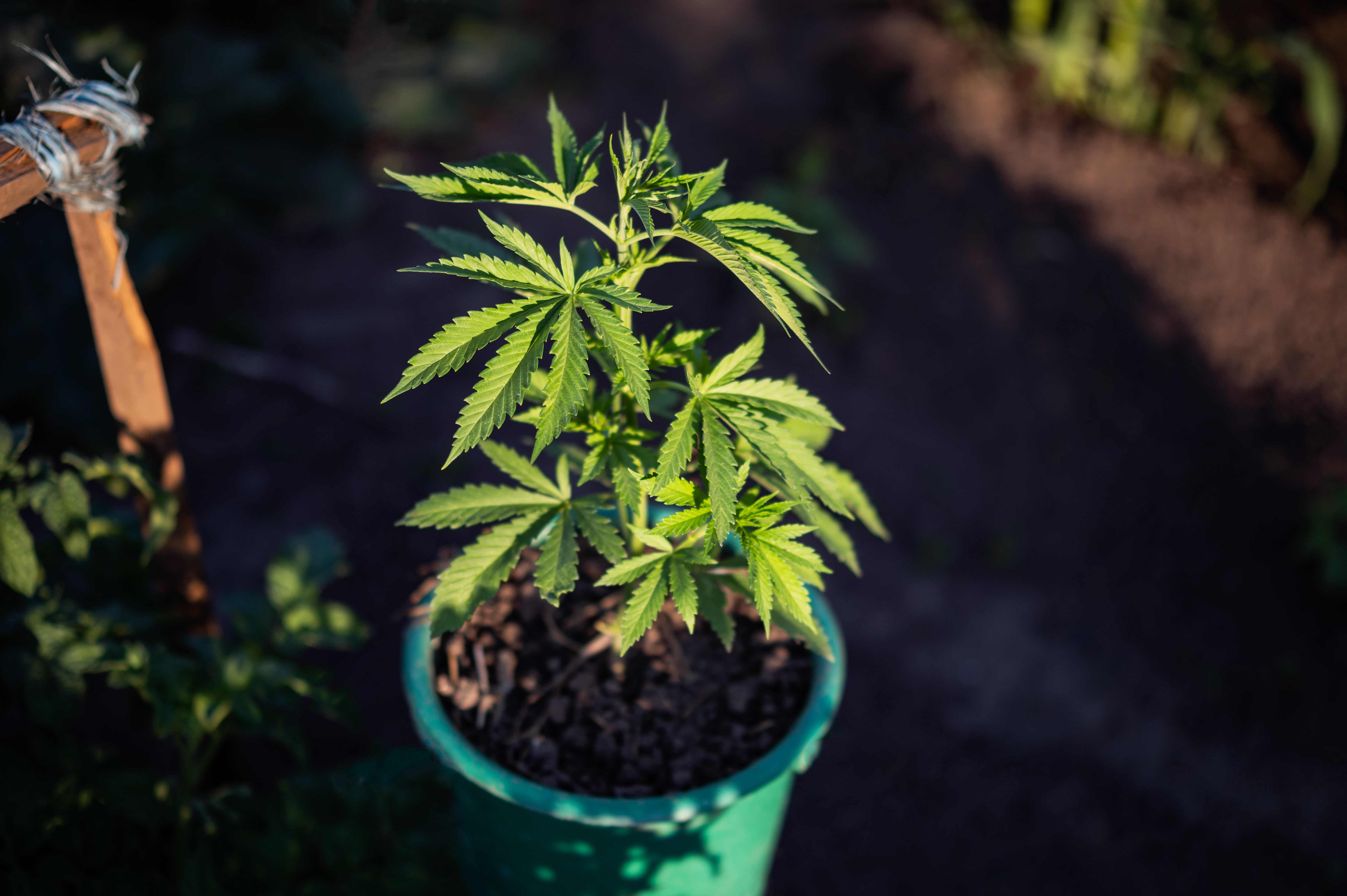


The container used to grow a cannabis plant may seem like a simple part of the setup. However, the grow pot has a direct effect on the space around the roots. It holds the growing medium, supports the plant, controls how water leaves the soil, and affects how much air reaches the root zone. A poor container choice can make watering harder and limit healthy root growth. A suitable pot can make the growing process easier and give the plant a better base for steady development.
Cannabis roots need enough space to spread through the growing medium. The roots collect water, oxygen, and nutrients that the plant needs for growth. When the container is too small, roots may reach the walls and begin to circle around the inside of the pot. Over time, the roots can form a tight mass. This condition is often called being root-bound. A root-bound plant may dry out quickly because there is less open soil available to hold water. Its growth may also slow because the roots have little room to expand.
A pot that is too large can also cause problems, mainly when the plant is still small. A young root system may not be able to use all the water held in a large amount of soil. The center and bottom of the pot may stay wet for too long. Constantly wet soil can reduce the amount of oxygen around the roots. It may also create conditions that support root damage, fungus, or unwanted pests. For this reason, pot size should match the plant’s age, expected size, and growing stage.
Drainage is another major reason why cannabis grow pots matter. Water must be able to move through the growing medium and leave the container. When extra water cannot drain away, the soil can become heavy and waterlogged. Roots need oxygen to stay active and healthy. Soil that remains soaked has fewer air spaces, which can place stress on the plant. A proper grow pot should have enough drainage holes or breathable areas to allow extra water to escape.
Different pot materials handle water in different ways. Standard plastic pots usually hold moisture longer because water cannot pass through the sides. Most water leaves through the top of the soil or through holes in the bottom. This slower drying rate can be useful in warm rooms or for growers who cannot water often. However, plastic pots may increase the chance of overwatering when the soil is dense or the drainage holes are too small.
Fabric grow pots work in a different way. Their sides allow air and moisture to move through the material. This design can improve airflow around the root zone and help the soil dry more evenly. Fabric containers may also reduce root circling through a process called air pruning. When a root reaches the dry outer surface of the pot, its tip stops growing outward. The plant may then produce more small side roots inside the growing medium. These smaller roots can help the plant take in water and nutrients. Still, fabric pots often dry faster than plastic pots, so growers may need to water more often.
Air-pruning pots are another option. These rigid containers have holes or raised sections along their sides. Their design exposes root tips to air and encourages branching inside the pot. They can support strong drainage and healthy root structure, but water may run out quickly. They may also create more runoff than standard plastic containers. A tray or saucer is often needed to collect this water, especially in an indoor grow area.
Ceramic and terracotta pots can also hold cannabis plants, but they have different features. Terracotta is porous, which means air and water can pass through its walls. This can help wet soil dry faster, but it can also increase water use. Ceramic pots may be heavy and difficult to move once they are filled. They can also crack if dropped or exposed to sudden temperature changes. Their weight may provide stability outdoors, but lighter pots are often easier to manage indoors.
The best cannabis grow pot depends on the full growing setup. Indoor growers must think about tent size, floor space, plant count, and runoff control. A very large pot may leave little space for fans, lights, or other plants. Outdoor growers must consider direct sun, wind, rain, and changing temperatures. Dark containers may become hot under strong sunlight, while small fabric pots may dry very quickly on hot or windy days.
The growing medium also affects pot choice. Soil, coco coir, and other mixes hold different amounts of water and air. A dense soil mix may need a pot with strong drainage. A fast-draining coco mix may work well in fabric or plastic containers, depending on the watering system. Growers using automated irrigation must also choose pots that allow steady drainage and easy runoff collection.
No single container is best for every cannabis plant. The right choice depends on plant type, growing time, available space, climate, watering habits, and growing medium. Pot size and material should work together with the rest of the system. A suitable pot should provide enough root space, allow extra water to drain, support airflow, and remain easy to clean and move.
Healthy roots form the base of healthy plant growth. Leaves, stems, flowers, and final yields all depend on the plant’s ability to take in water and nutrients. Choosing the right grow pot does not guarantee a large harvest, but it helps create stable conditions in the root zone. Growers should also follow all local laws and rules related to cannabis cultivation before starting any grow.
How Grow Pots Affect Cannabis Roots and Plant Health
The grow pot is more than a container that holds soil or another growing medium. It creates the space where the roots live, spread, and take in water and nutrients. The size, shape, material, and drainage of the pot can all affect how well the roots develop. Healthy roots help the plant grow strong stems, wide leaves, and healthy flowers. Poor root conditions can slow growth and increase the risk of plant problems.
Cannabis roots need a balance of water, air, nutrients, and space. When one part of this balance is missing, the plant may struggle. A pot that is too small may limit root growth. A pot with poor drainage may hold too much water. A pot that dries too fast may cause the roots to become stressed. Understanding how pots affect the root zone can help growers make better choices during each stage of plant growth.
Root Space and Plant Development
Roots naturally spread through the growing medium as the cannabis plant becomes larger. They search for water, oxygen, and nutrients. The more the plant grows above the soil, the more support it usually needs below the soil. A healthy root system helps anchor the plant and supports the movement of water and nutrients into the stems and leaves.
When a cannabis plant stays in a pot that is too small, the roots may run out of space. They may begin to grow around the inside walls of the container. This is known as circling. Over time, the roots may form a tight mass. The plant can become root-bound, which means the root system has filled most of the available growing medium.
A root-bound plant may show several signs. The pot may dry out much faster than before because there is less growing medium left to hold water. Roots may appear through the drainage holes or grow along the surface. The plant may also stop growing as quickly, even when it receives enough light and nutrients. Leaves may droop soon after watering because the small amount of growing medium cannot hold enough moisture for the plant.
Limited root space may also reduce nutrient access. A plant in a small pot has less growing medium to store nutrients. This can make feeding harder to control. The plant may use nutrients quickly, or fertilizer salts may build up in the pot. Both conditions may lead to leaf damage or weak growth.
However, a larger pot is not always better during every stage. A very young plant placed in a large pot may be difficult to water correctly. The roots occupy only a small area, but the entire pot may stay wet for a long time. This can reduce airflow around the roots. Many growers use smaller pots for seedlings and move the plants into larger containers as the roots develop.
The goal is to match the pot size to the current size of the plant and its expected growth. A plant that will remain small may not need a very large final container. A plant with a long vegetative stage may need more root space. The growing area, plant type, and planned flowering size should all be considered.
Airflow Around the Root Zone
Cannabis roots need oxygen to stay healthy. Although roots grow below the surface, they still take in oxygen from small air spaces within the growing medium. These air spaces allow the roots to breathe and support normal root activity.
When the growing medium stays too wet, water fills many of these air spaces. This reduces the amount of oxygen available to the roots. Roots may become weak, damaged, or more open to disease. The plant may droop, grow slowly, or develop yellow leaves even though the pot contains enough water.
The design of the grow pot can affect how much air enters the root zone. Standard plastic pots usually allow air to enter through the top and drainage holes. Fabric pots allow air to pass through the sides as well. Air-pruning pots contain openings along the walls that expose growing root tips to air.
When a root tip reaches the dry air near the side of a breathable pot, the tip may stop growing outward. The plant then produces more small side roots behind that point. This process is called air pruning. It may create a wider network of smaller roots instead of a few long roots that circle the pot.
A larger network of fine roots can help the plant reach more water and nutrients within the growing medium. However, breathable pots also lose moisture more quickly. The extra airflow can be helpful, but it may require more careful watering. In warm rooms, dry climates, or outdoor areas with strong wind, fabric pots may dry much faster than rigid plastic pots.
The growing medium also affects root-zone airflow. Even a breathable pot may have poor airflow when filled with dense, compacted soil. A loose growing mix with good structure allows air and water to move more easily. The pot and the growing medium must work together. One cannot fully correct the problems caused by the other.
Moisture Control
Moisture control is one of the most important ways a grow pot affects cannabis health. Roots need regular access to water, but they should not remain in soaked growing medium for long periods. The pot should allow extra water to drain while keeping enough moisture for the plant to use between waterings.
Pot material changes how quickly water leaves the growing medium. Plastic pots hold moisture inside because water cannot pass through the side walls. Most water escapes through the drainage holes or evaporates from the top. This can be useful in hot or dry conditions because the growing medium stays moist longer.
Fabric pots allow moisture to escape through the sides and bottom. They often provide faster drying and better side airflow. This can lower the risk of the growing medium staying wet for too long. However, growers may need to water more often. Small fabric pots can dry very quickly when plants are large.
Pot size also affects moisture. A small pot contains less growing medium, so it usually dries faster. A large pot holds more water and may take longer to dry. If the plant is too small for the pot, the unused growing medium may remain wet. If the plant is too large for the pot, it may use the available water very quickly.
The shape of the container can also change watering patterns. Tall pots may hold moisture differently from wide, shallow pots. Water may collect near the lower part of the container if the growing medium is dense or the drainage is poor. Wide pots may lose more water from the larger surface area.
Good drainage holes are necessary in almost every cannabis grow pot. Extra water must be able to leave after watering. Blocked or limited drainage can cause water to collect at the bottom. This creates a wet, low-oxygen zone where roots may become damaged.
Growers should avoid watering on a fixed schedule without checking the pot. Temperature, plant size, humidity, airflow, and pot material can change how fast the medium dries. Lifting the pot can help. A dry pot usually feels much lighter than a fully watered pot. Checking the upper part of the growing medium may also help, although deeper areas can remain wet after the surface feels dry.
Grow pots have a direct effect on cannabis roots and plant health. The roots need enough space to spread, but the container should not be much larger than the plant needs. A pot that is too small can lead to circling roots, fast drying, and slow growth. A pot that is too large may hold too much water around a young root system.
Airflow is also important because roots need oxygen. Fabric and air-pruning pots allow more air to reach the sides of the root zone, while plastic pots usually hold moisture longer. Each option has benefits, but it also changes how often the plant must be watered.
Main Types of Pots for Growing Cannabis
Choosing the right type of pot is an important part of growing healthy cannabis plants. The pot holds the growing medium, supports the root system, and controls how water drains away. It also affects how much air reaches the roots and how quickly the growing medium dries. A pot that works well in one growing space may not work as well in another. Growers should compare the materials, drainage, weight, size, and care needs of each option before making a choice.
Cannabis can grow in many kinds of containers as long as the roots have enough space, air, and drainage. Standard plastic pots and fabric pots are among the most common choices. Air-pruning pots are also designed to improve root growth. Ceramic pots, terracotta pots, nursery bags, and modified buckets may be useful in some settings. Each option has benefits and limits that growers should understand.
Standard Plastic Pots
Standard plastic pots are widely used because they are simple, affordable, and easy to find. They are available in many sizes, ranging from small seedling pots to large containers for mature plants. Most plastic pots are lightweight, so growers can move plants around without much difficulty. This can be helpful in indoor grow rooms where plants may need to be rotated, inspected, or moved for cleaning.
Plastic does not allow much air or water to pass through the sides of the pot. Most water leaves through drainage holes at the bottom. This means plastic pots often hold moisture longer than fabric pots. Slower drying can be useful for growers who live in hot areas or cannot water very often. However, the growing medium may stay wet for too long if the pot has poor drainage or receives too much water.
The smooth inner walls of a plastic pot may cause roots to grow in circles. When a root reaches the side of the pot, it may follow the wall instead of branching into smaller roots. Over time, the plant can become root-bound. A root-bound plant has a thick mass of roots with little open growing medium left between them. This can make watering difficult and may slow plant growth.
Plastic pots should have several drainage holes across the bottom. Growers should check that these holes are not blocked by roots, soil, or debris. Placing the pot on a raised stand can also help water flow out more easily. Plastic pots can often be cleaned and reused, but they should be washed between crops to reduce the risk of pests and plant disease.
Fabric Grow Pots
Fabric grow pots are made from breathable material rather than solid plastic. Water and air can move through the sides and bottom of the container. This helps extra water drain away and allows more oxygen to enter the root zone. Cannabis roots need oxygen to function well, so the added airflow may support a healthy root system.
When roots reach the edge of a fabric pot, the dry air near the fabric can stop the root tip from growing outward. The root then produces more side branches inside the growing medium. This process is known as air pruning. Air pruning may help create a wider network of small roots instead of long roots that circle the pot.
Fabric pots are often chosen by growers who are worried about overwatering. Since water can leave through more areas of the container, the medium is less likely to remain soaked for a long time. However, fast drainage also means the medium may dry out more quickly. Plants in fabric pots may need water more often, especially during hot weather, late growth, or strong indoor airflow.
These pots are lightweight and often have handles. The handles can make large plants easier to lift, but growers should still support the bottom of a heavy pot when moving it. Fabric pots can lose their shape when filled with loose growing medium. A tray or firm base can help keep the pot stable.
Cleaning fabric pots may take more effort than cleaning plastic pots. Fine roots and mineral deposits can become trapped in the material. The pots should be emptied, brushed, washed, and allowed to dry fully before reuse. Torn fabric, damaged seams, or weak handles may make an old pot unsafe for another crop.
Air-Pruning Pots
Air-pruning pots are rigid containers with many openings along the sides. Some models use holes, raised cones, or shaped panels. The open design allows air to reach root tips as they grow toward the container wall. Like fabric pots, these containers are designed to reduce root circling and encourage more root branching.
Air-pruning pots usually provide strong drainage. Extra water can leave through the bottom and through some side openings. This can improve root-zone airflow, but it may also cause the growing medium to dry faster. Growers need to watch moisture levels closely and adjust their watering schedule when needed.
Some air-pruning pots arrive as flat panels that must be shaped and joined together. Correct assembly is important because gaps may allow soil or coco to fall out. The pot should also sit on a tray that can catch water and loose growing medium. A fine liner or mesh may be helpful when using a very loose mix.
These pots can be useful for growers who want the airflow of a fabric pot but prefer a firm container. Their rigid walls provide more structure than fabric. However, air-pruning pots may cost more than standard plastic pots. They may also take longer to clean because soil and roots can collect around the holes and shaped sections.
Ceramic and Terracotta Pots
Ceramic and terracotta pots are common in home gardening, but they are less common in large cannabis growing systems. These containers are heavier than plastic or fabric pots. Their weight can help keep a tall outdoor plant stable during wind. It can also make the plant harder to move.
Terracotta is made from unglazed clay. The material has tiny pores that allow some air and moisture to pass through the pot walls. This can help the growing medium dry faster. It may be useful in wet conditions, but it can also increase watering needs in hot or dry weather.
Glazed ceramic pots hold moisture longer because the glazed surface blocks most air and water movement through the sides. These pots can look attractive, but appearance should not be the main concern. Drainage is more important. Some decorative ceramic pots have only one small drainage hole, while others have no hole at all. A cannabis plant should not be grown directly in a container without working drainage.
Ceramic and terracotta pots can crack if dropped. Clay pots may also break during freezing weather. Mineral salts can collect on terracotta surfaces and leave white marks. The containers should be cleaned well before reuse. Growers should also check that the pot is strong enough to hold wet growing medium and a mature plant.
Nursery Bags, Buckets, and Reused Containers
Nursery bags are thin plastic containers often used by plant growers. They are low in cost, light in weight, and easy to store. Most nursery bags have drainage holes near the bottom. They may be useful for young cannabis plants or short growing cycles. However, thin bags can tear, bend, or become unstable when filled with wet soil.
Plastic buckets are another common choice. A clean bucket can hold a large amount of growing medium, but it must be changed before use. Several drainage holes should be drilled across the bottom. More openings may also be added near the lower sides. A bucket without drainage can collect water and create harmful conditions around the roots.
Growers should be careful when using recycled containers. The container must be made from a safe material and must not have held toxic chemicals, fuel, paint, or other harmful products. It should be strong enough to support the plant and should not release unsafe materials into the growing medium.
The shape of a reused container also matters. Very shallow containers may not provide enough root depth. Tall, narrow containers may tip over when the plant becomes large. Clear containers should be covered because strong light can reach the roots and support algae growth. Any reused container should be washed and checked for sharp edges before planting.
The main types of cannabis grow pots include plastic pots, fabric pots, air-pruning pots, ceramic pots, terracotta pots, nursery bags, and modified containers. Plastic pots are affordable and hold moisture longer, but roots may circle their smooth walls. Fabric pots provide strong airflow and drainage, although they may need more frequent watering. Air-pruning pots support root branching while keeping a firm shape, but they can cost more and require careful cleaning.
Ceramic and terracotta pots may offer stability, but their weight and breakage risk can make them less practical. Nursery bags and buckets can work when they are safe, strong, and properly drained. No pot type can support healthy growth if it lacks enough root space or drainage. The best choice is a container that matches the growing medium, environment, watering routine, and expected plant size.
Fabric Pots Versus Plastic Pots
Choosing between fabric pots and plastic pots is one of the main decisions growers face when selecting cannabis containers. Both types can support healthy plants when they are used correctly. However, they control water, airflow, temperature, and root growth in different ways. These differences affect how often plants need water and how easy the root zone is to manage.
Fabric pots are made from breathable material. Air and water can move through the sides of the container. Plastic pots have solid walls, so most water and air movement happens through the top of the soil and the drainage holes at the bottom. Neither type is always better than the other. The best choice depends on the growing space, climate, plant size, growing medium, and watering habits.
Root Development
Fabric pots can support a process called air pruning. When a root reaches the dry, airy side of a fabric pot, the root tip stops growing outward. The plant then forms smaller roots farther back along the main root. This process can create a wide network of fine roots throughout the growing medium.
Fine roots help the plant take in water and nutrients. They can also reduce the chance that long roots will circle around the inside of the container. A dense but well-spread root system may make better use of the soil or coco in the pot.
Plastic pots do not allow air to pass through the sides. Roots that reach the smooth plastic wall may continue growing along the edge. Some roots may circle around the inside of the container, especially when the plant stays in a small pot for too long. Severe root circling can reduce the plant’s ability to use water and nutrients well.
However, plastic pots do not always cause root problems. A plastic pot can support healthy roots when it is large enough, has good drainage, and is used with a loose growing medium. Transplanting before the plant becomes root-bound can also prevent heavy root circling.
Root health depends on more than the pot material. The amount of water, the quality of the growing medium, the temperature, and the available nutrients all affect root growth. Fabric pots cannot protect roots from every problem, and plastic pots do not automatically lead to poor roots.
Drainage and Watering Frequency
Fabric pots drain water through the bottom and the sides. This helps extra water leave the root zone after irrigation. It can lower the risk of water staying trapped in the growing medium for too long.
Fast drainage is helpful for growers who often give too much water. It may also help in humid rooms where soil takes a long time to dry. Since more air can enter the sides of a fabric pot, the growing medium may dry more evenly.
The main disadvantage is that fabric pots often need water more often than plastic pots. Small fabric pots may dry very quickly under strong grow lights. Fans, warm temperatures, and low humidity can increase water loss even more. Outdoor fabric pots can also dry fast during hot or windy weather.
Plastic pots hold moisture longer because water cannot escape through the sides. This can be helpful for growers who cannot water every day. It may also work well in hot, dry areas where rapid water loss is a concern.
However, plastic pots can stay wet too long if the growing medium is dense or the drainage holes are blocked. Watering again before the pot has dried enough may reduce the amount of oxygen around the roots. This can slow growth and increase the chance of root damage.
Growers should not use the same watering schedule for both pot types. A plant in a fabric pot may need water sooner than a similar plant in a plastic pot. Checking the weight of the pot and the moisture level of the medium is more reliable than watering on fixed days.
Temperature and Moisture Retention
Pot material can affect root-zone temperature. Fabric pots allow air to pass through their sides. This air movement may help release some heat from the growing medium. It can be useful in warm indoor grow rooms or during mild outdoor weather.
Still, fabric pots are not complete protection against heat. Dark fabric can become hot when placed under direct sunlight. The edges of the growing medium may also dry much faster than the center. Outdoor fabric pots may need shade around the container or a cover that protects the sides from strong sun.
Plastic pots retain moisture and heat more easily. Dark plastic pots can become very warm in direct sunlight. High root-zone temperatures may stress the roots and cause the soil to dry in an uneven way.
Light-colored plastic pots may absorb less heat than black pots when used outdoors. Placing containers away from hot concrete or raising them off the ground may also help control temperature.
Moisture retention can be useful or harmful depending on the setup. Fast drying provides more oxygen, but it can also lead to underwatering. Slow drying reduces watering work, but it can raise the risk of overwatering. The goal is not to make the pot dry as fast or as slowly as possible. The goal is to create a steady cycle between watering and drying.
Cost, Cleaning, and Durability
Plastic pots are often less expensive than fabric pots. They are widely available and come in many sizes and shapes. Thick plastic containers can last through several growing cycles when they are cleaned and stored correctly.
Plastic pots are also easy to wash. Their smooth walls allow old soil, roots, and mineral deposits to be removed with less effort. They can usually be stacked, which saves storage space between crops.
Thin plastic pots may crack, bend, or split after repeated use. Sunlight can also weaken some types of plastic over time. Damaged containers should be replaced because cracks can leak soil or make the pot unstable.
Fabric pots are lightweight and often fold flat for storage. Many models include handles, which can make plants easier to move. Handles are useful when containers need to be rotated, cleaned around, or transferred to another area.
Cleaning fabric pots may take more time. Roots and dried growing medium can become trapped in the material. Mineral salts may also build up on the sides. Fabric pots often need to be brushed, washed, and allowed to dry fully before they are reused.
The seams and handles should be checked before each new crop. Weak seams may tear when a wet, heavy container is lifted. Repeated washing may also reduce the strength of lower-quality fabric pots.
Choosing Between Fabric and Plastic Pots
Fabric pots may be a good match for growers who want strong drainage and more airflow around the roots. They can be useful in humid spaces, in setups that use loose growing media, or for growers who tend to overwater. They also suit growers who can check their plants often and respond quickly when the medium becomes dry.
Plastic pots may be better for growers who need the growing medium to hold water longer. They can work well in hot or dry rooms and in locations where frequent watering is difficult. Their low cost and easy cleaning also make them practical for larger plant numbers.
The growing medium should be considered before choosing a pot. A fast-draining soil mix inside a fabric pot may dry very quickly. A heavy mix inside a plastic pot may stay wet for too long. The pot and the medium need to work together.
The size of the plant also matters. A large cannabis plant in a small fabric pot may require water several times during hot days. A small plant placed in a large plastic pot may sit in wet soil for too long because its roots cannot use all the moisture.
Fabric and plastic pots can both support healthy cannabis plants, but they require different care. Fabric pots offer strong drainage, side airflow, and air pruning. They may help limit circling roots, but they often dry faster and require more frequent watering.
Plastic pots retain water longer, cost less, and are easier to clean. However, they may increase the risk of slow drying and circling roots when they are too small or poorly drained.
Neither pot type guarantees a higher yield. Plant genetics, lighting, nutrition, temperature, pot size, and watering practices also shape plant growth. The best pot is the one that matches the growing medium, environment, and amount of daily care the grower can provide.
What Size Pot Is Best for Cannabis?
Choosing the right pot size is important when growing cannabis. The container must give the roots enough room to spread, but it should not be so large that the soil stays wet for too long. A pot that is too small may limit plant growth and dry out very fast. A pot that is too large may hold more water than a young plant can use.
There is no single pot size that works for every cannabis plant. The right choice depends on the plant’s age, growth period, location, growing medium, and expected final size. A plant grown indoors for a short time may need much less root space than a large outdoor plant that grows for several months.
Growers should also consider how often they can water. Small pots dry faster and may need daily attention. Larger pots hold more water, but they can become heavy and harder to move. Understanding these differences can help growers choose a container that supports healthy roots and steady plant growth.
Pot Size During the Seedling Stage
Cannabis seedlings have small and delicate root systems. They do not need a large amount of soil during their first weeks of growth. Many seedlings begin in small nursery pots, seedling trays, cups, or containers that hold about one-quarter to one gallon of growing medium.
Starting with a small pot can make watering easier. A young seedling only uses a small amount of water. In a small container, the soil dries at a rate that is easier to manage. In a very large pot, the soil around the seedling may remain wet for many days. This can reduce oxygen near the roots and slow early growth.
A small container also makes it easier to check root development. Growers can look for roots near the drainage holes or notice when the soil begins drying faster. These signs can show that the plant is ready for a larger pot.
Seedling containers must have drainage holes. Water should be able to leave the bottom of the container after watering. A seedling should not sit in wet, heavy soil for long periods. The growing medium should stay lightly moist but should not remain soaked.
Growers should also avoid using containers that are too shallow. Even young cannabis plants begin to develop roots that grow downward. A pot with enough depth helps the early root system form without reaching the bottom too quickly.
Pot Size During Vegetative Growth
During the vegetative stage, cannabis plants grow new leaves, branches, stems, and roots. The root system expands as the upper part of the plant becomes larger. At this stage, many plants are moved into pots that hold about one to five gallons.
The exact size depends on how long the plant will remain in vegetative growth. A plant that stays in this stage for only a short time may do well in a smaller container. A plant that is trained, topped, or allowed to grow for many weeks may need a larger pot.
A longer vegetative stage often leads to a larger plant. Larger plants usually need more roots to support their water and nutrient needs. The grower must make sure the container can hold enough growing medium for the expected plant size.
A pot that becomes too small may dry out very quickly. The plant may need water several times in a short period. Growth may slow, and the leaves may lose firmness between watering sessions. Roots may also begin circling around the inside of a plastic pot.
Transplanting before the plant becomes badly root-bound can help prevent stress. The new container should be larger than the current one, but it does not need to be many times larger. Moving through pot sizes step by step can make moisture control easier.
Final Pot Size for Indoor Cannabis
Indoor cannabis plants are often grown in final pots ranging from about three to seven gallons. However, some growers use smaller or larger containers based on the growing method and available space.
A three-gallon pot may work for a smaller plant with a short vegetative stage. A five-gallon pot is a common middle option because it offers more root space without taking up too much floor area. Seven-gallon pots may support larger plants, but they need more room and more growing medium.
The size of the grow tent or room must be considered. Large pots take up space that could otherwise be used for more plants. They are also heavier when filled with wet soil. This can make them harder to lift, rotate, or remove from the growing area.
Plant count also affects the choice. A grower may use several small plants in smaller pots or fewer large plants in bigger pots. Both methods can work when the light, airflow, watering, and plant spacing are managed correctly.
The growing medium can change the amount of space needed as well. Soil mixes may hold water longer, while coco coir and other airy media may drain faster. Fast-draining media may need more frequent watering, even when used in large pots.
Indoor growers should also leave enough room for drain trays and runoff collection. Pots should not be packed so closely together that airflow is blocked around the lower leaves and containers.
Final Pot Size for Outdoor Cannabis
Outdoor cannabis plants often need larger pots because they may grow for several months. They may also receive stronger sunlight and have more room to develop wide branches. Outdoor containers commonly range from about ten gallons to thirty gallons or more.
A larger pot gives an outdoor plant more root space and more growing medium. This extra volume can hold water for longer periods, which may help during hot weather. It can also support a larger plant that needs more water and nutrients each day.
However, large outdoor pots can become very heavy. Once they are filled and watered, they may be difficult to move. Growers should choose the final location before the plant becomes too large. The surface should be flat and strong enough to support the container.
Wind is another concern. A tall plant in a small, light pot may fall over during strong weather. A wider and heavier container can improve stability. Support stakes or plant cages may also be needed as branches become longer.
Dark plastic pots can become hot in direct sunlight. High container temperatures may warm the root zone and increase water loss. Light-colored pots, pot covers, or shaded container walls may help reduce heat exposure.
Fabric pots used outdoors may dry very fast because water can leave through the sides. This can be helpful during rainy periods, but it may increase watering needs during hot or windy weather. The grower should check moisture often instead of following a fixed schedule.
Recognizing an Undersized Pot
Several signs may show that a cannabis plant needs more root space. One common sign is soil that dries very soon after watering. A large plant in a small pot may use all available moisture within a short time.
Roots growing from the drainage holes may also suggest that the plant has filled much of the container. A few visible roots are not always a serious problem, but a thick mass of roots may mean the plant is becoming root-bound.
Slow growth can be another warning sign. A plant may stop gaining height or producing new branches even when light, temperature, and nutrients are suitable. Leaves may droop often because the small root zone cannot hold enough water.
The root ball may also feel very firm when removed from the container. Roots may form tight circles around the outer edge of the soil. Severe root circling can make it harder for the plant to use water and nutrients evenly.
Growers should look at several signs before deciding to transplant. Fast drying may also be caused by hot weather, strong fans, low humidity, or a very airy growing medium. Roots outside the drainage holes may not always mean the entire pot is full.
The best pot size for cannabis depends on the plant’s stage, expected size, environment, and watering needs. Seedlings usually grow best in small containers because moisture is easier to control. Plants in the vegetative stage need larger pots as their roots and branches expand. Many indoor plants finish in pots between three and seven gallons, while large outdoor plants may need ten to thirty gallons or more.
A pot should provide enough root space without holding too much wet soil around a small plant. Growers should watch for fast drying, slow growth, visible roots, and tightly packed root balls. Choosing the right size at each stage can support stronger roots, steadier watering, and healthier plant development.
Do Bigger Pots Produce Bigger Cannabis Yields?
Pot size can affect how large a cannabis plant becomes, but a bigger pot does not always lead to a bigger harvest. A large container gives roots more room to spread. It also holds more growing medium, water, and nutrients. These benefits may support a larger plant when other growing conditions are also suitable.
However, pot size is only one part of cannabis growth. Light, plant genetics, temperature, watering, nutrients, and plant health also affect the final yield. A large pot cannot solve problems caused by weak lighting, poor drainage, pests, or incorrect watering.
Growers should choose a pot that matches the plant’s expected size and growing period. The goal is to provide enough root space without using more growing medium than the plant can manage.
Potential Benefits of More Root Space
Cannabis roots grow through the soil or other growing medium to collect water, oxygen, and nutrients. A larger pot provides more space for roots to spread. When roots have enough room, they may form a wider and deeper network.
A strong root system can support healthy growth above the soil. Roots supply the stems and leaves with the materials needed for plant development. During flowering, the root system continues to support the plant as it produces buds.
Larger pots also hold more growing medium. A greater amount of medium can store more water than a small amount. This may reduce how often the plant needs water, especially when the plant is large and growing quickly. Outdoor plants may benefit from this added water storage during hot or windy weather.
More growing medium can also provide a larger area for nutrient storage. In soil-based systems, nutrients and helpful organisms may be spread throughout the pot. The roots can explore a wider area instead of being limited to a small space.
A larger pot may also stay more stable than a small one. Tall cannabis plants can become top-heavy during flowering. Wind, heavy branches, and wet buds can place pressure on the main stem. A wide and heavy container can help keep an outdoor plant from falling over.
Still, the benefits of a bigger pot depend on whether the plant can use the extra space. A short plant grown for a limited time may never fill a very large container with roots. In that case, much of the growing medium remains unused.
Why Pot Size Does Not Guarantee Yield
A larger root zone may support a larger plant, but it does not guarantee a larger yield. Cannabis yield depends on several factors that work together.
Light is one of the most important factors. Cannabis plants need enough light to produce energy through photosynthesis. A plant in a large pot may grow tall and leafy, but it may still produce small or loose buds when light levels are too low.
Plant genetics also set limits on growth and yield. Some cannabis varieties naturally remain small. Others grow tall and produce many branches. A small variety will not become a huge plant simply because it is placed in a large container.
The length of the vegetative stage also matters. A plant that remains in vegetative growth for several weeks has more time to develop roots, stems, and branches. A plant moved into flowering early may not need a very large pot because it has less time to fill the container.
Temperature and humidity can also affect plant growth. Extreme heat may increase water loss and place stress on the roots. Cold conditions may slow root activity and cause the growing medium to stay wet for too long. A large pot may make this problem worse because it contains more moisture.
Nutrition must also be managed correctly. Too little nutrition can slow growth, while too much may damage the roots. A large pot does not protect a plant from nutrient burn, salt buildup, or incorrect pH.
Training methods may influence yield as well. Topping, low-stress training, and branch support can help spread the plant canopy. These methods may improve light exposure across more bud sites. However, training must match the available space and the plant’s stage of growth.
Plant health is another major factor. Root disease, mold, pests, and damaged leaves can reduce growth. Even a plant in a large pot may produce a poor harvest when it is unhealthy.
For these reasons, growers should not expect pot size alone to increase production. The container should support the complete growing system rather than replace good plant care.
Problems Caused by Oversized Pots
Using a pot that is much larger than the plant can create watering problems. A small plant has a small root system. It cannot absorb water from every part of a large container.
When the entire pot is heavily watered, the growing medium may stay wet for a long time. The upper layer may look dry while the lower section remains soaked. This can make it difficult to know when the plant needs more water.
Roots need oxygen to function. When the growing medium stays full of water, air spaces become limited. Low oxygen levels can slow root growth and increase the risk of root problems.
An oversized pot may also cause uneven root development. Young roots usually grow toward areas that contain both moisture and oxygen. When the center of the pot stays wet while the outer areas remain dry, roots may not spread evenly.
Large containers also use more soil, coco coir, compost, or other growing media. This increases the cost and weight of the growing setup. A large wet pot can be difficult to move, especially indoors.
Growers can reduce these problems by watering only the area around a young plant. The watering area can slowly expand as the plant and root system grow. Water should not be poured into every part of a large pot when the roots only occupy a small section.
Another method is gradual transplanting. A seedling may begin in a small cup or nursery pot. It can then move into a medium container before reaching its final pot. This method allows the roots to fill each container before receiving more space.
Gradual transplanting can make watering easier because the amount of growing medium is closer to the size of the root system. However, each transplant must be done carefully to avoid damaging the roots.
Choosing a Suitable Pot Size
The best pot size depends on the plant’s expected size, growing time, and location. A small indoor plant with a short vegetative stage may only need a moderate container. A large outdoor plant that grows for several months may need much more root space.
Growers should also consider the type of pot. Fabric pots often dry faster than plastic pots because air and water can move through the sides. A large fabric pot may need water more often than a plastic pot of the same size.
The growing medium also affects the choice. A dense soil mix may hold water for a long time. A light mix with perlite or other drainage materials may dry faster. Pot size and growing medium should be selected together.
Available space must also be considered. Large pots reduce the number of plants that can fit in a grow area. They may also make it harder to reach plants for watering, training, and inspection.
The container should provide enough room for healthy root growth while remaining easy to manage. It should also have drainage holes and a tray or runoff system when used indoors.
Bigger pots can support larger cannabis plants because they provide more root space, growing medium, water storage, and physical support. However, a bigger pot does not automatically produce a bigger yield.
Light, genetics, plant health, nutrition, temperature, training, and growing time all affect the final harvest. A very large container may even cause problems when a small root system cannot use the water stored in the growing medium.
Best Cannabis Pots for Indoor and Outdoor Growing
Choosing a cannabis grow pot depends greatly on where the plant will grow. Indoor and outdoor growing areas have different limits and conditions. An indoor grower must think about floor space, water runoff, grow lights, and access to each plant. An outdoor grower must consider sunlight, wind, heat, rain, and changing weather.
The same container may not work equally well in both settings. A fabric pot may provide useful airflow indoors, but it may dry very fast outside during hot weather. A large plastic pot may hold moisture well outdoors, but it may be difficult to move inside a small grow tent. Growers should match the pot to the environment instead of choosing one based only on price or appearance.
Indoor Grow Pots
Indoor grow pots must fit within a limited growing area. A grow tent, spare room, or small indoor garden has a fixed amount of floor space. The width of each container affects how many plants can fit in that area. Wide pots may provide good stability, but they can reduce the walking and working space between plants.
Plant count should be considered before selecting a pot size. A grower who keeps several plants may need smaller containers to avoid crowding. A grower who keeps only one or two plants may have room for larger pots. However, the pot must still leave enough space for airflow, watering, inspection, and plant care.
The height of the container also matters. A tall pot raises the plant closer to the grow light. This may reduce the amount of vertical space available for stems and branches. Shorter pots may help in a low grow tent, but they should still provide enough growing medium for the root system.
Indoor growers also need to manage runoff. Water that drains from a pot can damage floors and create wet areas. It may also raise humidity if it is allowed to sit for a long time. Each pot should be placed on a saucer, tray, or other waterproof surface. The tray should be large enough to catch water that leaves the container.
Fabric pots often need wider trays because water can escape from the sides as well as the bottom. Plastic pots usually release water through holes in the base. Both types should be raised slightly above collected water so that the bottom of the pot does not remain soaked.
Weight is another concern indoors. Large containers filled with wet growing medium can become very heavy. Moving them may be difficult, especially after the plant becomes tall. Fabric pots with strong handles may be easier to lift, but they still need careful support. Plastic nursery pots are light when empty and may be easier to clean between growing cycles.
Indoor containers should also be placed with enough space between them. Crowded pots can restrict air movement near the base of the plants. Poor airflow may allow moisture to remain around the containers and growing medium. Proper spacing also makes it easier to check for pests, blocked drainage holes, or signs of overwatering.
Outdoor Grow Pots
Outdoor cannabis plants face stronger environmental changes than indoor plants. Sunlight, heat, wind, and rain can all affect the container and the root zone. Outdoor pots should be strong, stable, and large enough to support the plant during its growing period.
A larger container can hold more growing medium and water. This may be helpful during hot weather because small pots can dry very quickly. A plant in a small container may need frequent watering when exposed to direct sunlight and wind. Larger pots usually dry more slowly, but they can also stay too wet after heavy rain if drainage is poor.
Stability is important because outdoor plants may be pushed by strong winds. A tall plant in a narrow or lightweight pot can fall over. A wider container with a low center of gravity may provide better support. Heavy plastic pots and large fabric pots filled with growing medium can be stable, but the growing area should still have protection from severe wind.
Fabric pots may work well outdoors because they allow strong drainage and airflow around the roots. However, they can lose water quickly in hot or dry conditions. Water may also evaporate through the sides of the fabric. Growers using these pots should check moisture often and avoid placing them on surfaces that become extremely hot.
Concrete, stone, and dark decking can transfer heat to the bottom of a container. A pot stand, wooden pallet, or raised platform can create a small air gap below the pot. This can help with drainage and reduce direct contact with hot ground. The surface should remain level and strong enough to support the container when it is wet.
Plastic pots may hold moisture longer outdoors. They can be useful in areas where water evaporates quickly. Still, plastic containers must have enough drainage holes. Heavy rain can fill a poorly drained pot and reduce oxygen around the roots. Drainage holes should be checked often to make sure they are not blocked by roots or soil.
Outdoor containers should also be made from weather-resistant materials. Thin plastic may become weak after long exposure to sunlight. Fabric may tear if dragged across rough surfaces. Ceramic and terracotta pots can be heavy and stable, but they may crack if dropped or exposed to sharp temperature changes.
Selecting Pot Color
Pot color can affect root-zone temperature, especially outdoors. Dark colors absorb more heat from direct sunlight. A black container may become very warm on a sunny day. This heat can raise the temperature of the growing medium near the sides of the pot.
High root-zone temperatures may cause the medium to dry faster. They may also place stress on roots during long periods of hot weather. Light-colored containers reflect more sunlight and may stay cooler than black pots under the same conditions.
A dark pot can be covered with a light-colored material to reduce heat absorption. It may also be placed behind other plants or objects that shade the container while allowing the leaves to receive sunlight. The cover should not block drainage or trap water around the pot.
Fabric pots come in several colors. A lighter fabric pot may be helpful in a hot outdoor area. However, color is only one part of temperature control. Pot size, watering, shade, airflow, and the surface below the container also affect heat.
Indoors, pot color is usually less important because the containers are not exposed to strong natural sunlight. Grow lights may produce heat, but indoor temperatures can often be controlled with fans and ventilation. Pot material, size, and drainage are normally more important than color in an indoor setup.
The best cannabis pot for indoor or outdoor growing depends on the conditions around the plant. Indoor pots must fit the available space, control runoff, and allow easy access for watering and inspection. Lightweight containers and strong drainage trays can make indoor plant care easier.
Outdoor pots must handle direct sun, wind, rain, and changing temperatures. Larger, stable containers often provide better moisture storage and support. Fabric pots offer strong airflow and drainage, while plastic pots may hold water longer. Pot color can also affect heat, especially in direct sunlight. Choosing a container that matches the growing area helps create a safer and more balanced root environment.
Drainage Holes, Saucers, and Runoff Management
Good drainage is one of the most important parts of growing cannabis in containers. A grow pot must hold enough water for the roots, but it must also let extra water escape. When water stays inside the pot for too long, the growing medium may become heavy, wet, and low in oxygen. This can weaken the roots and slow plant growth.
Drainage is not only about the holes at the bottom of a pot. It also includes the type of growing medium, the shape of the container, and the way runoff is collected. Growers need a system that allows water to move through the root zone without creating a mess or leaving the plant in standing water.
Why Drainage Is Essential
Cannabis roots need both water and oxygen. A healthy growing medium contains small spaces that hold air between soil, coco, or other particles. When the pot is watered, some of these spaces fill with water. Extra water should then flow out through the drainage holes. As the water leaves, fresh air can return to the root zone.
Poor drainage causes the growing medium to stay wet for long periods. This may reduce the amount of oxygen that reaches the roots. Roots that do not receive enough oxygen may become weak and less able to absorb nutrients. The plant may then show slow growth, drooping leaves, or yellow leaves.
A wet root zone can also create conditions that support harmful fungi and bacteria. These organisms may damage the roots and lead to root rot. Root rot can be difficult to correct once it becomes severe. For this reason, preventing water buildup is often easier than trying to repair damaged roots later.
Good drainage also makes watering more even. Water should move through the full depth of the container instead of collecting in one area. If the bottom of the pot remains soaked while the top becomes dry, the root zone may have an uneven mix of water and air.
The growing medium also affects drainage. A dense, compact mix may hold too much water, even when the pot has several holes. A loose mix with materials such as perlite may allow water to pass through more easily. The pot and growing medium must work together as one system.
How Much Drainage a Pot Needs
A cannabis grow pot should have several drainage holes spread across its base. Several openings allow water to leave from different areas of the container. A pot with only one small hole may drain slowly, especially if that hole becomes blocked.
The holes should be large enough to release water but not so large that the growing medium falls out. Some pots have raised sections or channels at the bottom that guide water toward the openings. Others have holes along the lower sides to improve drainage.
Growers who reuse buckets or other containers often need to create their own drainage holes. The openings should be placed across the bottom instead of only in the center. A few holes near the lower sides may also help water escape if the pot sits flat against a surface.
Drainage holes should be checked from time to time. Roots may grow through them, while soil, coco fibers, or mineral deposits may block them. A blocked opening can cause water to collect inside the container.
The surface under the pot also matters. A container may have enough holes but still drain poorly if it sits directly on a flat tray. The weight of the pot may press the holes against the tray and slow the flow of water. Raising the pot slightly can create space for runoff to escape.
More holes do not always solve every drainage problem. If the growing medium is too dense or the plant receives too much water, the container may still stay wet. Drainage holes support moisture control, but correct watering is still needed.
Using Saucers and Drain Trays
Saucers and drain trays are useful for indoor cannabis plants because they collect water that leaves the pots. Without a tray, runoff can damage floors, shelves, tents, and electrical equipment. It may also raise indoor humidity and create areas where mold can grow.
A saucer should be wider than the base of the pot. This gives the runoff enough space and helps catch water that moves out at an angle. Large trays may hold several plants, while separate saucers make it easier to check the runoff from each pot.
Cannabis pots should not remain in standing water. When the base of a pot stays in collected runoff, the growing medium may pull some of that water back into the container. This can keep the bottom of the root zone wet for too long. Standing water may also contain nutrient salts that the plant has already released.
Runoff should be removed after watering. It may be taken out with a small pump, wet vacuum, sponge, or removable tray. The best method depends on the size of the grow area and the number of plants.
Pot risers can make runoff management easier. A riser lifts the container above the bottom of the saucer or tray. Water can then flow away from the drainage holes without touching the pot. Risers also allow more air to move around the lower part of the container.
Trays and saucers should be cleaned often. Old runoff may leave fertilizer residue, dirt, algae, or salt deposits. A clean tray makes it easier to inspect the water and reduces the risk of pests and plant disease.
Managing Fabric-Pot Runoff
Fabric grow pots drain differently from rigid plastic pots. Water may leave through the bottom, but it can also pass through the sides. This strong drainage can help prevent water from collecting around the roots. However, it may also create more runoff around the container.
A fabric pot should be placed on a wide saucer or waterproof tray. A small saucer may not catch water that escapes through the lower sides. The tray should extend several inches beyond the pot when possible.
Fabric pots should also be raised above the tray. When wet fabric sits directly in runoff, it may continue to absorb water. A pot stand or riser keeps the base away from standing water and improves airflow beneath the container.
Water should be applied slowly when using fabric pots. Pouring too quickly may cause water to run through one part of the growing medium and escape from the side before the full root zone becomes moist. Slow watering gives the medium time to absorb water more evenly.
Very dry soil may pull away from the sides of a fabric pot. Water may then move down the gap and leave the container without reaching the roots. Applying a small amount of water first and waiting a few minutes can help the medium absorb the next watering more evenly.
Fabric pots often dry faster than plastic pots because air moves through their sides. Growers may need to check them more often, especially in warm rooms, dry climates, or areas with strong airflow. Fast drainage is useful, but the roots must still receive enough moisture.
Drainage holes, saucers, and runoff systems help keep the cannabis root zone healthy. A suitable pot should have several clear drainage holes that allow extra water to escape. The growing medium should also be loose enough to hold both moisture and air.
Saucers and trays protect the growing area, but runoff should not remain around the base of the pot. Pot risers can lift containers above standing water and improve airflow. Fabric pots need wider trays because water may escape through both the sides and bottom.
Good drainage does not replace careful watering. Growers must consider the container, growing medium, plant size, room conditions, and watering speed. When these parts work together, roots receive a better balance of water and oxygen, which supports steady plant growth.
Matching the Pot to Soil, Coco, and Irrigation Systems
Choosing a cannabis grow pot is not only about size or material. The pot must also work well with the growing medium and watering system. Soil, coco coir, and bottom-watering systems hold and move water in different ways. A container that works well with soil may not be the best choice for coco or an automated system.
The right match helps roots receive enough water and oxygen. It also makes watering easier to control. Poor matching may cause the medium to stay wet too long, dry too fast, or drain unevenly. Growers should think about the medium, watering frequency, drainage needs, and available growing space before choosing a pot.
Pots for Soil-Based Growing
Soil-based growing media often hold water longer than coco coir. This can reduce how often the plant needs watering. However, soil may become too wet when it is placed in a pot with poor drainage. Dense or compacted soil can make this problem worse because water moves through it slowly.
Plastic pots are often used for soil because they help reduce moisture loss through the sides. Water can only escape through the top surface and the drainage holes at the bottom. This may be useful in warm rooms or outdoor areas where the soil dries quickly. It can also help growers who cannot water very often.
The main risk is that plastic pots may keep the soil wet for too long. This is more likely when the pot is too large for the plant or when the soil contains very little material for drainage. Roots need both water and oxygen. When soil remains soaked, water fills the small air spaces around the roots. This may slow root growth and weaken the plant.
Fabric pots can also work well with soil. Their sides allow more air to enter the root zone. Water can leave through the fabric as well as the bottom. This supports faster drainage and may reduce the risk of waterlogged soil.
Fabric pots usually dry faster than plastic pots. This means the plant may need more frequent watering. The edges of the soil may also dry before the middle of the pot. Growers must water slowly and evenly so that the entire root zone receives moisture.
Air-pruning pots are another choice for soil. Their open sides improve airflow and allow extra water to escape. However, loose or very fine soil may fall through some openings. A suitable liner or a well-structured soil mix may be needed.
The best soil pot should hold enough moisture for the plant without remaining soaked. It should also have several open drainage holes and enough space for roots to grow.
Pots for Coco Coir
Coco coir is made from coconut husk material. It can hold a large amount of water while still keeping some air around the roots. Coco often drains faster than heavy soil, but its moisture level must still be managed carefully.
Cannabis plants grown in coco may be watered more often than plants grown in soil. Some coco systems receive water every day. Larger plants may need more than one watering during a day, especially under strong lights or in warm conditions.
Fabric pots are commonly matched with coco because they provide strong drainage. Extra water can leave quickly, which helps prevent the coco from remaining fully saturated. The breathable walls also allow more oxygen to reach the outside of the root zone.
However, fabric pots may allow coco to dry very quickly. Small fabric containers can lose moisture fast under strong airflow. Fans, high room temperatures, and low humidity can increase this drying. Growers need to check moisture levels often and use a steady watering routine.
Rigid plastic nursery pots can also work well with coco. These pots are easier to place in trays and automated watering systems. Their smooth sides help control runoff and reduce moisture loss. Plastic pots may be a better choice when the grower wants the coco to remain moist for a longer period.
Coco should not be allowed to sit in dirty runoff for long periods. The pot should be raised slightly above the tray so that drainage water can move away from the base. Pot risers, drainage grids, or raised trays can help.
The drainage holes must also be large enough to release water quickly. Small or blocked holes may cause water to collect at the bottom. This can create uneven moisture and reduce oxygen around the lower roots.
Pots for Bottom-Watering Systems
Bottom-watering systems supply water from below the pot. The growing medium pulls moisture upward through a process called capillary action. Some systems use trays, reservoirs, wicking material, or special valve-controlled bases.
The pot must be designed to work with the system. A standard container may not absorb water correctly if its base does not touch the wet surface. Pots for bottom watering often have open sections or special holes near the bottom. These openings allow water to reach the growing medium.
The growing medium must also be able to pull water upward. Very coarse material may not move water well. A dense medium may absorb too much water and remain wet for too long. The correct balance depends on the system and the plant’s needs.
Fabric pots may work with some bottom-fed systems because the fabric absorbs water easily. However, the entire base may remain wet when it sits directly in water. This can reduce airflow and create a damp area under the pot. The system should control the water level so that the container does not remain soaked.
Plastic pots designed for self-watering systems often have a raised base or a small lower chamber. This allows the roots to receive moisture without placing the whole root ball in standing water.
Bottom watering can help keep the top layer of the medium dry. It may also reduce water waste. Still, the system must be checked often. Blocked valves, empty reservoirs, or uneven water levels can cause plants to receive too much or too little water.
Container Depth and Shape
Pot volume is important, but shape also affects root growth and watering. Two pots may hold the same amount of medium but have different heights and widths.
Tall, narrow pots use less floor space. They may fit well in indoor grow tents where many containers are placed close together. Their depth can support downward root growth. However, tall pots may tip over when the plant becomes large or top-heavy.
Water may also move quickly to the bottom of a tall pot. The lower section may stay wet while the upper section dries. Slow and even watering helps prevent this problem.
Short, wide pots provide more surface area. They are often more stable and may be harder to tip over. This shape can work well for trained plants with wide branches. The larger surface area may also allow the medium to dry faster from the top.
Wide pots require more floor space. This can reduce the number of plants that fit in a small room. They may also be harder to place in standard trays or automated systems.
The shape should match the growing area, plant structure, and irrigation method. A deep pot is not always better, and a wide pot is not always easier to manage. Growers should choose a shape that allows even watering, good drainage, stable support, and easy access.
The best cannabis grow pot must match the growing medium and irrigation system. Soil often works well in plastic pots when slower drying is needed, while fabric pots can improve airflow and drainage. Coco coir needs reliable drainage and regular watering, making both fabric and nursery pots useful choices. Bottom-watering systems require containers and growing media that can draw moisture upward without remaining soaked.
Pot shape matters as well. Tall pots save floor space but may be less stable, while wide pots offer support but take up more room. A well-matched container helps the root zone stay moist without becoming waterlogged. It also makes watering more even and easier to manage throughout the plant’s growth.
Starting in the Final Pot Versus Transplanting
Choosing whether to start a cannabis plant in its final pot or move it through several pot sizes can affect watering, root growth, and plant stress. Both methods can work well when they are managed with care. The better choice depends on the type of plant, the length of the growing cycle, the size of the final container, and the grower’s ability to control moisture.
Starting in a small pot can make early care easier because the root zone is limited and easier to monitor. Starting in the final pot can reduce transplant stress, but it may make watering more difficult during the seedling stage. Understanding the benefits and limits of each method can help growers choose a process that supports steady root development.
Benefits of Starting in a Small Pot
A small pot can make it easier to care for a young cannabis seedling. At this stage, the root system is still small and does not need a large amount of growing medium. A smaller container keeps the root zone closer together, which may make it easier to control moisture.
One of the main benefits is that the pot dries at a more predictable rate. A seedling in a large pot may only use a small amount of water. The unused growing medium can stay wet for a long time, especially in cool or humid conditions. A small pot contains less wet medium, so the grower can often see and feel changes in moisture more clearly.
Small pots also make it easier to inspect root development. Growers can watch for roots near the drainage holes and check how quickly the container dries. These signs can show when the plant is ready for more space.
Starting small may also help create a dense root ball. Roots grow through the available medium and begin filling the container. When the plant is moved at the correct time, the root ball usually holds together. This makes transplanting easier and reduces the chance of loose soil falling away from the roots.
A staged transplanting process may begin with a seedling container, followed by a medium pot and then the final container. This method allows the amount of growing medium to increase as the plant grows. It can help match the moisture level to the size of the root system.
However, a plant should not remain in a small pot for too long. Crowded roots may begin circling the inside walls. The medium may also dry very fast, which can lead to repeated periods of water stress. Transplanting at the right time is important for avoiding these problems.
Benefits of Starting in the Final Pot
Starting in the final pot means the plant remains in one container throughout its growing cycle. This method removes the need to transplant, which can reduce handling and root disturbance.
Transplanting can cause temporary stress when roots are exposed, damaged, or compressed. A careful transplant may cause very little stress, but mistakes can slow growth. Starting in the final container removes this risk.
This method may be useful for plants with short growth cycles. Some autoflowering cannabis varieties move from early growth into flowering quickly. They may have less time to recover from transplant stress. For this reason, some growers place autoflowering seeds or seedlings directly into their final containers.
Starting in the final pot also requires less equipment. Growers do not need several containers for each plant. There is less need to wash, store, and organize pots of different sizes.
The main challenge is moisture control. A seedling has a very small root system, even when it is growing in a large container. Watering the entire pot may leave a large amount of wet medium that the roots cannot use. This can reduce airflow in the root zone and keep the soil wet for too long.
Water should be applied near the young root zone rather than across the full surface of the pot. The watering area can slowly become wider as the plant grows. This approach helps the roots reach outward while reducing the risk of soaking the full container too early.
The growing medium should also have good drainage. A loose and well-aerated mix allows extra water to move out of the pot. The container must have open drainage holes so moisture does not collect at the bottom.
Starting in the final pot can work well, but it requires careful watering. The grower must understand that a large container does not mean a young plant needs a large amount of water.
Signs That a Cannabis Plant Is Ready to Transplant
A cannabis plant should be transplanted before the roots become tightly crowded. Several signs can help growers decide when the plant needs a larger pot.
Roots appearing near or through the drainage holes are a common sign. This shows that the root system has spread through much of the container. A few visible roots do not always mean the plant is severely root-bound, but they may show that a transplant will soon be needed.
The pot may also begin drying much faster than before. A larger plant uses more water, and a full root system leaves less open growing medium to hold moisture. When a container that once stayed moist for several days begins drying within a short period, the plant may need more root space.
Slowed growth can also be a warning sign. A plant may stop gaining height or producing new leaves at its normal rate. However, slow growth can have many causes, including weak light, temperature problems, pests, or nutrient issues. The condition of the roots and the speed of drying should also be checked.
The root ball should hold together during transplanting. If the medium falls apart when the plant is removed, the roots may not have filled enough of the container. Moving the plant too early can expose or damage weak roots.
Before transplanting, the medium should be slightly moist but not soaked. Very dry soil may break apart, while heavily wet soil may be difficult to handle. The new pot should be prepared before the plant is removed from the old one.
The plant should be handled by the container and root ball rather than pulled by the stem. The root system should be placed at the same depth as it was growing before. After transplanting, the growing medium can be pressed gently around the root ball. Packing it too tightly may reduce airflow.
Choosing a Final Pot for Autoflowers
Autoflowering cannabis plants often have shorter life cycles than many photoperiod plants. Their fast growth means that delays or stress during the early stages may have a greater effect on final plant size.
The best final pot size depends on the expected plant size, available space, growing medium, and watering method. A small autoflower may not need the same container volume as a large variety grown under strong light. Pot size should match the plant rather than follow one fixed rule.
A larger pot can provide more root space and may hold moisture longer. However, it can also remain wet for too long when the plant is young. A smaller pot dries faster and takes up less space, but it may restrict larger plants or require frequent watering later.
Container shape also matters. A tall pot may provide more depth while using less floor space. A wide pot may be more stable but can take up more room in an indoor growing area.
Fabric pots may work well for autoflowers because they provide strong drainage and airflow. They also tend to dry faster than plastic containers. This may be helpful for growers who often overwater, but it can create more work in hot or dry conditions.
Plastic pots hold moisture longer and may be easier for growers who cannot water as often. They should still have enough drainage holes to prevent water from remaining around the roots.
When an autoflower is started in its final container, the seedling should only receive enough water for its current root zone. The watering area can expand as the leaves and roots grow. This helps avoid keeping a large volume of unused medium wet.
Starting cannabis in a small pot can make seedling watering and root monitoring easier. It also allows growers to increase container size as the plant develops. The plant must be moved before the roots become crowded or the pot begins drying too quickly.
Starting in the final pot avoids transplant stress and may work well for autoflowering plants or other plants with short growing cycles. The main challenge is avoiding too much water during early growth. A young plant in a large container only needs moisture near its small root zone.
Neither method is suitable for every situation. Growers should consider plant type, container size, growing medium, available space, and watering habits. Careful moisture control and gentle root handling are more important than following one fixed transplanting method.
Common Grow-Pot Problems, Cleaning, and Reuse
Cannabis grow pots may seem simple, but they can cause problems when they are too small, too wet, too dry, dirty, or damaged. Many root problems begin inside the container before clear symptoms appear above the soil. A grower may notice slow growth, weak leaves, or poor water use without realizing that the pot is part of the problem.
Checking the container often can help prevent damage. The condition of the roots, drainage holes, pot walls, and growing medium can provide useful clues. Cleaning and reusing pots correctly can also lower costs and reduce the risk of carrying pests or disease from one crop to another.
Root-Bound Cannabis Plants
A cannabis plant becomes root-bound when its roots run out of open space inside the pot. Instead of growing outward through fresh growing medium, the roots begin to circle the inside walls and bottom of the container. This problem is more common in smooth plastic pots because the roots may continue following the shape of the pot.
A root-bound plant may dry out much faster than expected. The pot contains less loose growing medium because much of the space is filled with roots. Water may also pass through the pot quickly without soaking the full root ball. The plant may need water often but still show signs of stress.
Growth may also slow down. Leaves may become smaller, and the plant may stop gaining height. Roots may grow through the drainage holes or appear near the surface. When the plant is removed from the pot, the root ball may hold the exact shape of the container.
Transplanting into a larger pot can help when the plant is still in vegetative growth. The new container should provide enough room for more root development. The grower should handle the root ball carefully and avoid pulling or tearing healthy roots.
Transplanting during late flowering can cause stress and may not give the plant enough time to benefit from the larger pot. It is better to watch root growth early and move the plant before the container becomes severely crowded.
Pots That Dry Too Quickly
Some grow pots lose moisture faster than others. Fabric containers allow air and water to pass through their sides. This supports airflow, but it can also cause the growing medium to dry quickly. Small pots also dry faster because they hold less water.
Heat, direct sunlight, dry air, and strong fans can increase moisture loss. Outdoor fabric pots may become dry within a short period during hot or windy weather. Indoor pots may also lose water quickly when they sit near strong air movement.
A pot that dries too fast may cause the plant to wilt often. Leaves may feel thin or weak. The surface of the medium may pull away from the sides of the container. Water may run through dry soil without spreading evenly.
Increasing the pot size may help because a larger container holds more growing medium and moisture. The watering schedule may also need to change. Plants in warm conditions may need more frequent checks.
Moving the pot away from direct heat can reduce water loss. Outdoor containers may benefit from shade around the sides of the pot while the plant still receives enough light. Pot risers should still allow drainage and airflow.
The goal is not to keep the medium wet all the time. The goal is to prevent the root zone from becoming fully dry before the next watering.
Pots That Stay Wet Too Long
A pot that remains wet for too long can be just as harmful as one that dries too quickly. Roots need oxygen, but water fills the open spaces in the growing medium. When the medium stays soaked, the roots may not receive enough air.
Oversized pots are a common cause of slow drying. A small plant may not have enough roots to use all the moisture in a large container. The center and bottom of the pot may remain wet even when the top looks dry.
Blocked drainage holes can also trap water. Roots, compacted soil, or debris may cover the openings. Dense growing media can slow drainage and hold more moisture than the plant needs.
Cool temperatures and low airflow can make the problem worse. Water leaves the pot more slowly under these conditions. Frequent watering before the medium has dried enough may keep the root zone wet for many days.
Growers can check moisture by lifting the pot. A wet pot usually feels much heavier than a dry one. The top layer alone should not be used to judge moisture because the lower part of the pot may still be wet.
Water should not collect under the container for long periods. Saucers and trays should be emptied after drainage. The pot should also be raised slightly when needed so the bottom does not sit in standing water.
Salt and Mineral Buildup
Fertilizer salts and minerals may collect inside grow pots over time. White or yellow marks may appear around the drainage holes, pot rim, fabric walls, or saucers. These deposits form when water evaporates and leaves minerals behind.
Salt buildup can affect the root zone. High salt levels may make it harder for roots to take in water. Leaf tips may turn brown, and the plant may appear stressed even when the medium is moist.
Using too much fertilizer can increase this problem. Poor drainage can also allow unused nutrients to remain in the pot. Hard water may leave additional mineral deposits.
Growers should follow a feeding plan that matches the plant stage and growing medium. More fertilizer does not always produce more growth. Excess nutrients can harm roots and reduce plant health.
Runoff trays should be cleaned often. Dried fertilizer deposits should not be allowed to remain around the base of the pot. Pots should also be checked between crops because old residue may affect the next plant.
Cleaning Pots Between Crops
Cleaning grow pots between crops is an important part of plant care. Old pots may contain dead roots, dried growing medium, insects, eggs, mold, algae, or disease-causing organisms.
All loose material should be removed first. Plastic pots can be emptied and brushed to remove stuck soil. Fabric pots may need to be shaken, brushed, or rinsed to remove roots trapped in the fibers.
The pots should then be washed with water and a suitable cleaning product. All sides, drainage holes, seams, and handles should be cleaned. Saucers, trays, and pot risers should also be washed.
After cleaning, the containers should be disinfected with a product that is safe for gardening equipment. The instructions on the product label should be followed carefully. The pots should then be rinsed when required and allowed to dry completely.
Drying helps prevent mold and makes it easier to inspect the container. Pots should be stored in a clean, dry area until they are needed again.
Containers that held badly diseased plants may not be safe to reuse. Replacing a low-cost pot may be better than risking another crop.
Reusing Fabric and Plastic Pots
Both fabric and plastic pots can often be reused when they are cleaned correctly and remain in good condition.
Plastic pots are usually easier to wash because they have smooth surfaces. Growers should inspect them for cracks, sharp edges, blocked drainage holes, or weak bottoms. A cracked pot may leak growing medium or break when moved.
Fabric pots may take more time to clean because roots can grow into the material. Dirt and fertilizer residue may also remain inside the fibers. Each pot should be checked for torn seams, weak handles, holes, or fabric that has become thin.
A damaged handle can break while a heavy plant is being moved. Torn fabric may allow growing medium to spill out. Pots with major damage should be replaced.
Clean pots should not be mixed with dirty containers. Keeping cleaned equipment in a separate storage area can help prevent contamination.
Grow-pot problems can affect water use, root growth, and plant health. Root-bound plants may need larger containers, while fast-drying pots may require more frequent checks. Pots that stay wet too long may have poor drainage, dense growing medium, or too much unused space.
Salt buildup, old roots, and plant waste should be removed between crops. Plastic and fabric pots can often be reused, but they must be washed, disinfected, dried, and inspected first.
Regular pot checks help growers find problems before they become severe. A clean, strong, well-drained container gives cannabis roots a safer place to grow and supports more consistent plant development.
Conclusion: Choosing the Best Cannabis Grow Pot
Choosing the best cannabis grow pot starts with understanding the needs of the plant. No single pot works best for every grow room, garden, or growing method. The right choice depends on the size of the plant, its stage of growth, the growing medium, the available space, and the way the plant will be watered. A grower should also think about temperature, airflow, drainage, and how often the pot can be checked.
Pot size is one of the most important factors. Cannabis roots need enough room to spread through the growing medium. A pot that is too small may cause the roots to become crowded. Crowded roots may circle the inside walls of the container and form a tight root ball. The growing medium may also dry out very fast because there is not enough soil or coco to hold water. The plant may need frequent watering and may begin to show slow growth.
A pot that is too large can also cause problems. A small plant cannot use all the moisture held inside a large container. Some parts of the growing medium may stay wet for a long time. This can reduce the amount of oxygen around the roots. Poor airflow and wet conditions may increase the risk of root damage. Pot size should match the current size of the plant and the length of time it will grow before harvest.
Growers may choose fabric, plastic, air-pruning, ceramic, or other types of containers. Each type has benefits and limits. Fabric pots allow air to move through the sides of the container. They also let extra water drain from more than one area. This can support air pruning, which happens when root tips reach the fabric and stop growing outward. The plant may then produce more smaller roots inside the container.
Fabric pots often dry faster than solid containers. They may need more frequent watering, mainly during hot weather or when strong fans are used indoors. Water may also escape through the sides, so a wide drainage tray may be needed. Fabric containers should be placed where runoff can be collected and removed.
Plastic pots hold moisture longer because air and water cannot pass through their walls. This can be helpful for growers who cannot water often or who live in a hot, dry area. Plastic pots are also light, affordable, and easy to clean. However, roots may circle along the smooth inner walls when the plant stays in the same container for too long. Plastic pots must have enough drainage holes at the bottom.
Air-pruning pots are another option. These pots have openings along the walls that allow air to reach the root tips. They may support a wide, branching root system. They can also provide fast drainage. However, they may dry quickly and create more runoff. Growing medium may fall through large openings unless the pot is assembled and filled correctly.
Ceramic and terracotta pots can support cannabis plants, but they are often heavier than fabric or plastic pots. Terracotta allows some air and moisture to pass through its walls. This may help the medium dry, but it can also make watering more frequent. Ceramic pots may break when dropped and can be difficult to move once they are filled with wet soil.
Drainage is needed in every cannabis container. Extra water must have a clear path out of the pot. A container without drainage holes can trap water around the roots. Water fills the small air spaces in the growing medium, leaving less oxygen for the root system. Roots need oxygen to stay active and take in water and nutrients.
Drainage holes should remain open throughout the growing cycle. Soil, coco, roots, and other material may block the holes over time. Growers should check the bottom of the pot and make sure water can leave after each irrigation. Indoor growers should use saucers, trays, or runoff systems to protect the floor. Pots should not sit in collected water for long periods. Pot risers can lift the container above the tray and help the bottom receive more airflow.
The growing medium also affects the best pot choice. Soil mixes may hold water longer, mainly when they contain fine material or compost. A breathable pot may help a heavy soil mix dry more evenly. A plastic pot may work well when the soil drains quickly and the grower wants to slow moisture loss.
Coco coir often needs frequent watering and strong drainage. Fabric pots and plastic nursery pots may both work with coco when runoff is managed correctly. Automated watering systems may need pots with a certain shape, base, or drainage design. The container should match the irrigation system rather than being selected only for its appearance.
Indoor and outdoor growing conditions also change the decision. Indoor growers often have limited floor space. The pot must fit inside the grow tent while leaving enough room for fans, lights, trays, and access paths. Large containers reduce the number of plants that can fit in the space. Smaller pots allow more plants, but they may dry quickly and need more attention.
Outdoor plants may have more room to grow. Large pots can hold more growing medium and help support tall plants. However, dark containers may become hot under strong sunlight. Excess heat around the root zone may stress the plant. Light-colored pots, pot covers, shade around the container, or proper spacing may reduce heat buildup. Outdoor pots should also be stable enough to resist wind.
Cleaning is another part of choosing a practical pot. Reusable plastic containers are usually easy to scrub and disinfect. Fabric pots can also be reused, but soil and roots may become trapped in the material. They must be washed well and allowed to dry before the next crop. Any pot with cracks, broken handles, weak seams, or heavy contamination should be replaced.
The best cannabis grow pot is one that supports healthy roots and fits the grower’s care routine. A costly container will not improve plant health if it is too large, poorly drained, or watered incorrectly. A basic pot can work well when it has enough space, good drainage, and the right growing medium.
Healthy roots depend on the full root-zone environment. Pot size, material, airflow, moisture, temperature, sanitation, and drainage all work together. Growers should choose a container they can inspect, water, move, clean, and manage with care. The right pot will not guarantee a large yield, but it can create stable conditions that help the plant grow well from the seedling stage through harvest.
Research Citation
Bilderback, T. E., Warren, S. L., Owen, J. S., Jr., & Albano, J. P. (2005). Healthy substrates need physicals too! HortTechnology, 15(4), 747–751. https://doi.org/10.21273/HORTTECH.15.4.0747
Biran, I., & Eliassaf, A. (1980). The effect of container size and aeration conditions on growth of roots and canopy of woody plants. Scientia Horticulturae, 12(4), 385–394. https://doi.org/10.1016/0304-4238(80)90054-0
Burgel, L., Hartung, J., & Graeff-Hönninger, S. (2020). Impact of different growing substrates on growth, yield and cannabinoid content of two Cannabis sativa L. genotypes in a pot culture. Horticulturae, 6(4), Article 62. https://doi.org/10.3390/horticulturae6040062
Londra, P., Paraskevopoulou, A., & Psychogiou, M. (2018). Hydrological behavior of peat- and coir-based substrates and their effect on begonia growth. Water, 10(6), Article 722. https://doi.org/10.3390/w10060722
Million, J. B., & Yeager, T. H. (2022). Fabric containers increased irrigation demand but decreased leachate loss of nitrogen and phosphorus compared with conventional plastic containers during production of dwarf Burford holly. HortScience, 57(7), 743–749. https://doi.org/10.21273/HORTSCI16570-22
Nemati, R., Fortin, J.-P., Craig, J., & Donald, S. (2021). Growing mediums for medical cannabis production in North America. Agronomy, 11(7), Article 1366. https://doi.org/10.3390/agronomy11071366
NeSmith, D. S., & Duval, J. R. (1998). The effect of container size. HortTechnology, 8(4), 495–498. https://doi.org/10.21273/HORTTECH.8.4.495
Poorter, H., Bühler, J., van Dusschoten, D., Climent, J., & Postma, J. A. (2012). Pot size matters: A meta-analysis of the effects of rooting volume on plant growth. Functional Plant Biology, 39(11), 839–850. https://doi.org/10.1071/FP12049
Schober, T., Präger, A., Hartung, J., Hensmann, F., & Graeff-Hönninger, S. (2023). Growth dynamics and yield formation of cannabis (Cannabis sativa) cultivated in differing growing media under semi-controlled greenhouse conditions. Industrial Crops and Products, 203, Article 117172. https://doi.org/10.1016/j.indcrop.2023.117172
Yep, B., Gale, N. V., & Zheng, Y. (2020). Comparing hydroponic and aquaponic rootzones on the growth of two drug-type Cannabis sativa L. cultivars during the flowering stage. Industrial Crops and Products, 157, Article 112881. https://doi.org/10.1016/j.indcrop.2020.112881
Questions and Answers
Q1: What are the best pots for growing weed?
Fabric pots are a popular choice because they provide good airflow, drainage, and root development. Plastic pots and air pots can also work well when used correctly.
Q2: What size pot is best for growing weed?
A 3- to 5-gallon pot is often suitable for small or medium indoor plants. Larger plants may need 7- to 10-gallon pots or more.
Q3: Are fabric pots better than plastic pots for cannabis?
Fabric pots often provide better airflow and help prevent roots from circling. Plastic pots hold moisture longer and may be easier to clean and move.
Q4: Do cannabis pots need drainage holes?
Yes. Drainage holes allow extra water to escape and reduce the risk of root rot, mold, and nutrient problems.
Q5: Are air pots good for growing weed?
Yes. Air pots have holes around the sides that improve airflow and encourage a dense, healthy root system. However, they may dry out faster than standard pots.
Q6: Can weed plants grow in small pots?
Yes, but small pots can limit root growth and plant size. They also dry out quickly and may require more frequent watering.
Q7: What is the best pot material for cannabis plants?
Fabric, plastic, and rigid air-pruning materials can all work well. The best material depends on the growing space, watering routine, climate, and plant size.
Q8: Should cannabis plants be moved into larger pots?
Many growers transplant young plants into larger pots as they grow. This gives the roots more space and helps prevent the plant from becoming root-bound.
Q9: What color pots are best for growing weed outdoors?
Light-colored pots are often better outdoors because they reflect heat and help keep the root zone cooler. Dark pots may become very hot in direct sunlight.
Q10: Can cannabis plants be grown in self-watering pots?
Yes. Self-watering pots can provide steady moisture, but the soil must still have enough airflow and drainage. Growers should also avoid keeping the root zone constantly soaked.